Bulgogi (불고기) - Korean BBQ beef
Stir fry Korean thin sliced beef

Marinade makes magic
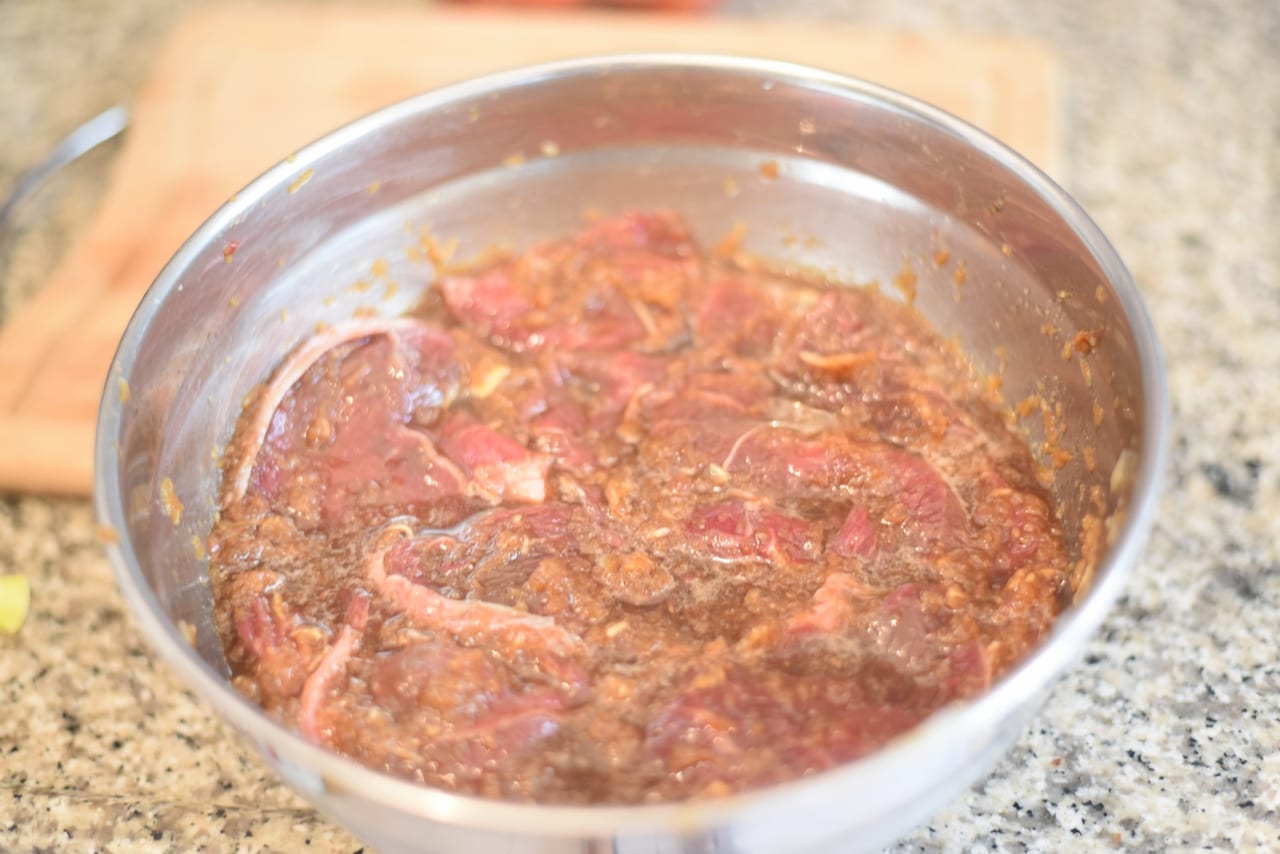
Marinating the beef for a few hours (preferably overnight) gives the meat its distinct Korean flavor and makes it tender. The marinade consists of soy sauce, mirin, garlic, sesame oil, grated onion, sake, and the dish's surprising umami touch — grated pear. It works on 2 levels: it adds sweetness and acts as a softener for the beef. I've noticed different variations in Korean recipes — although pears are the traditional marinade ingredient, you'll also find grated carrots or grated apples used as a substitute. In some recipes, to make the beef even more tender, you can add some grated kiwi or papaya. It's not in the traditional recipes and only acts as a softener.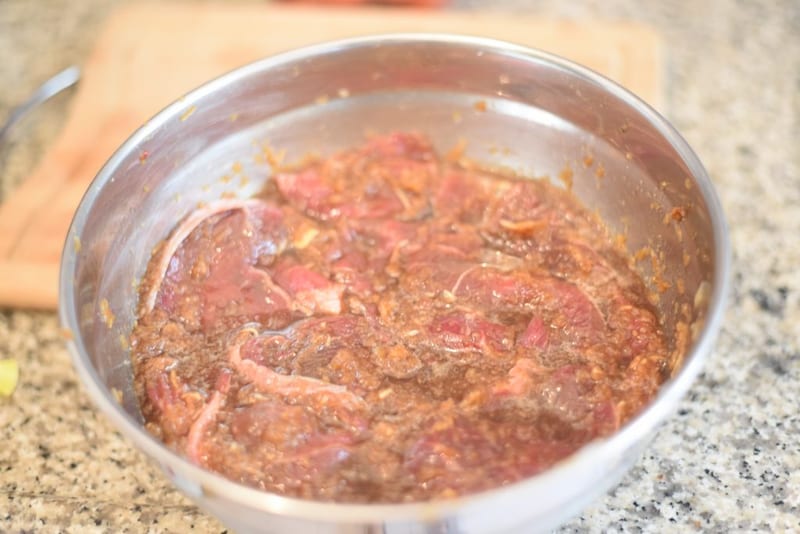
The meat
You can use any kind of meat you have in mind as long as it's a tender cut — we don't want chewy beef on our hands since the cooking time on the wok is minimal. My favorite is beef tenderloin, rump, or rib-eye. Any of those sitting in a marinade for a few hours will produce a buttery, tender bite. At this point I take a different turn from the original Korean recipe and cook the meat sous-vide style with the marinade fluids, to make it as tender as butter. I cook the meat sous-vide at 130°F/65°C for 7 hours — you can be sure that when it comes out, you can eat it with a spoon. Afterwards, all it needs is 2–3 minutes on the wok to sear the meat to perfection.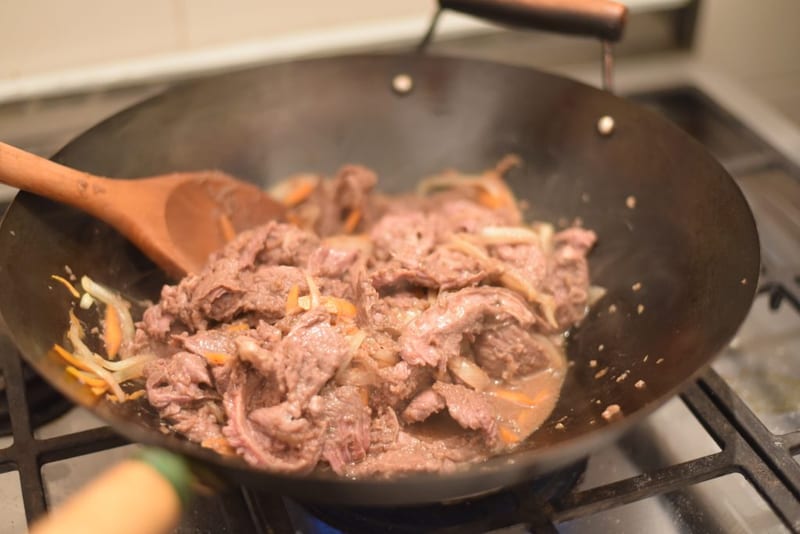
Serving Bulgogi
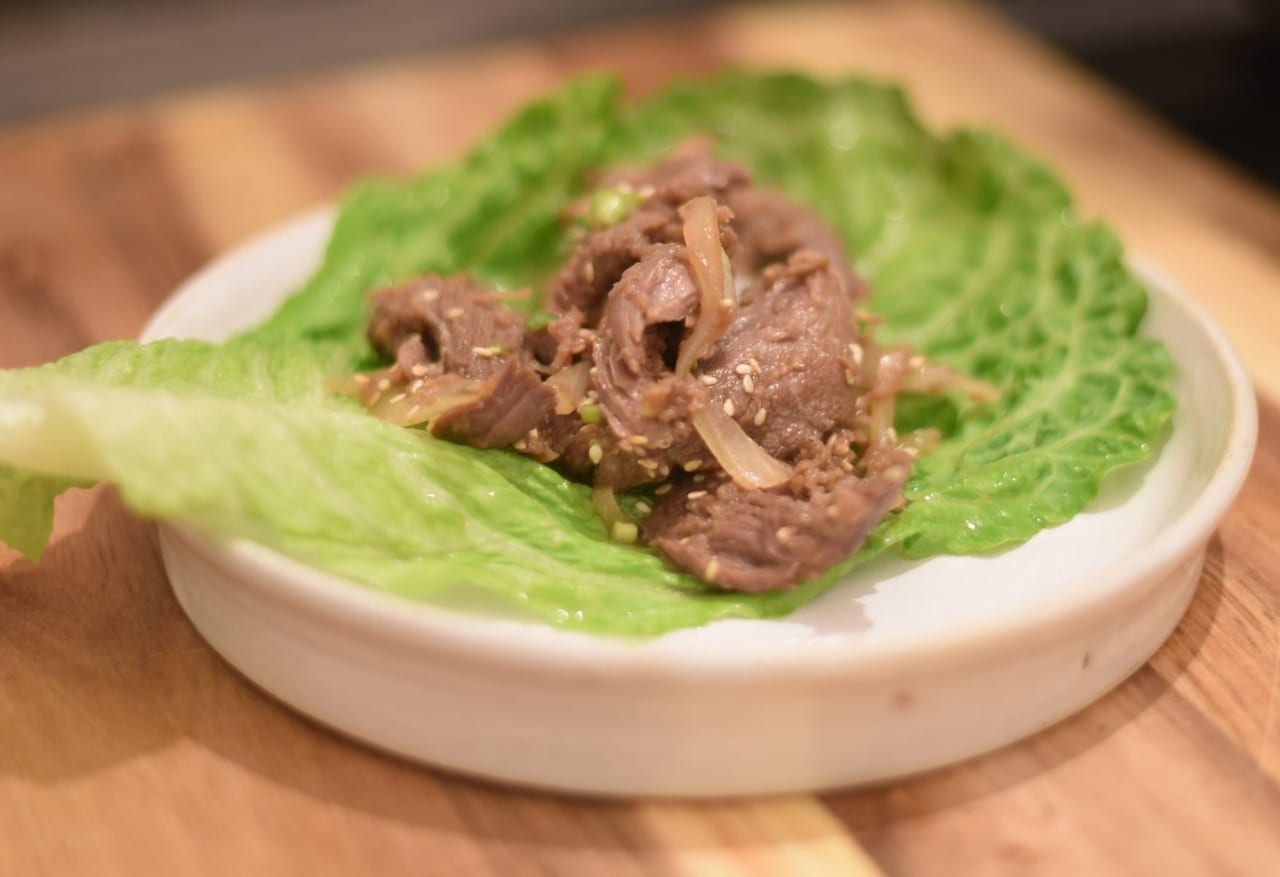
Traditionally, Koreans don't play too many games with this dish — they eat the meat as is, with a bowl of rice on the side or with lettuce. You use the lettuce as your spoon, grab a bit of the bulgogi, and eat it wrapped up. The crunchiness of the lettuce against the buttery meat is delicious.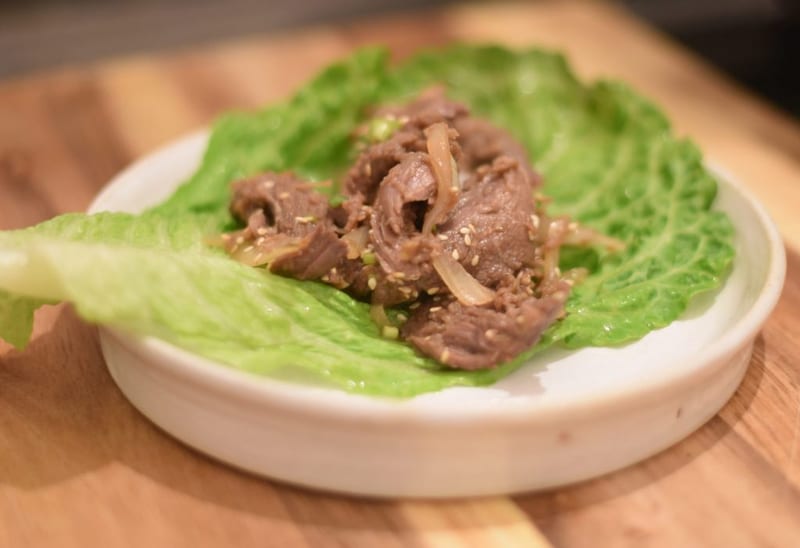
Method
- 1
Preparing the Marinade· 15 minutes
Mix all ingredients of the marinade into a large bowl and insert the meat. Make sure the meat is well covered and insert into the fridge overnight (minimum of 4 hours).
- 2
cooking the meat sous vide· 7 hours
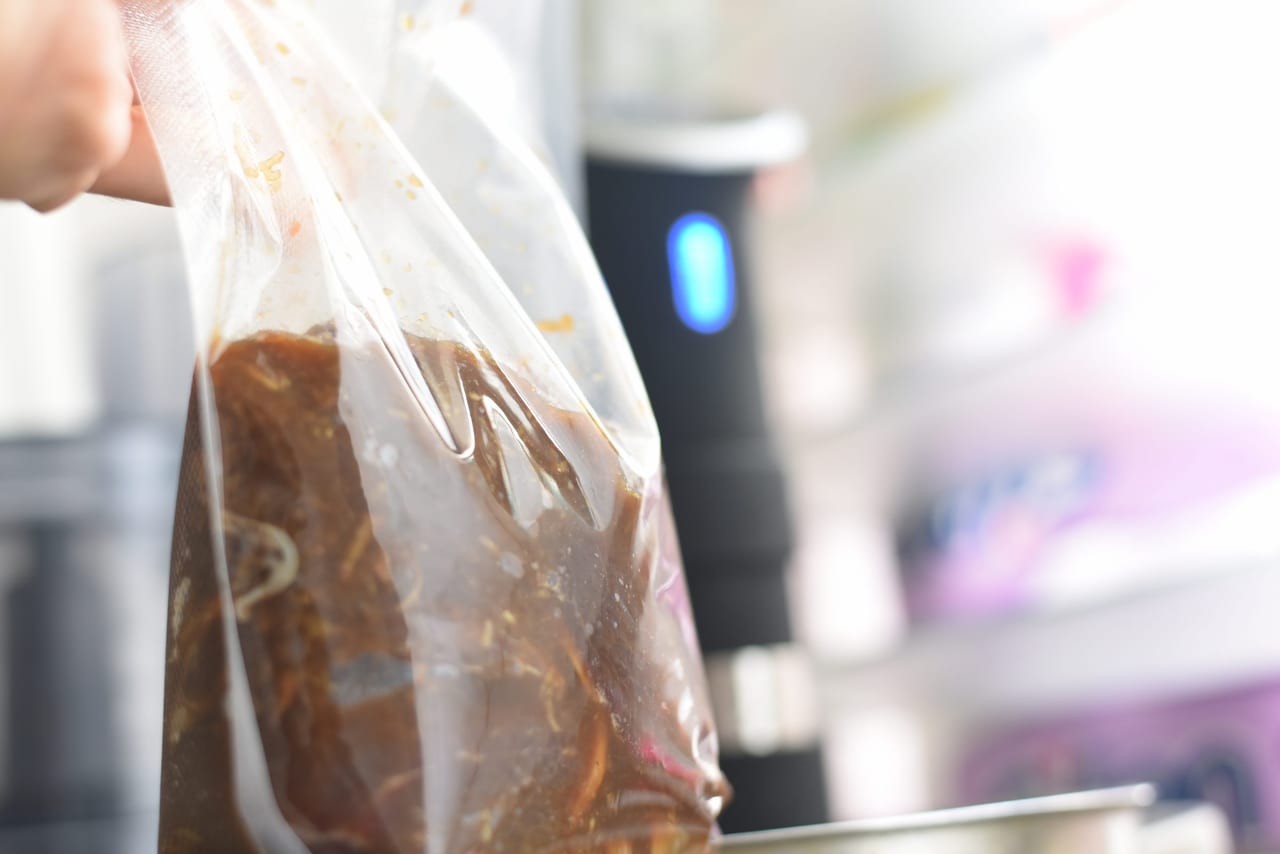
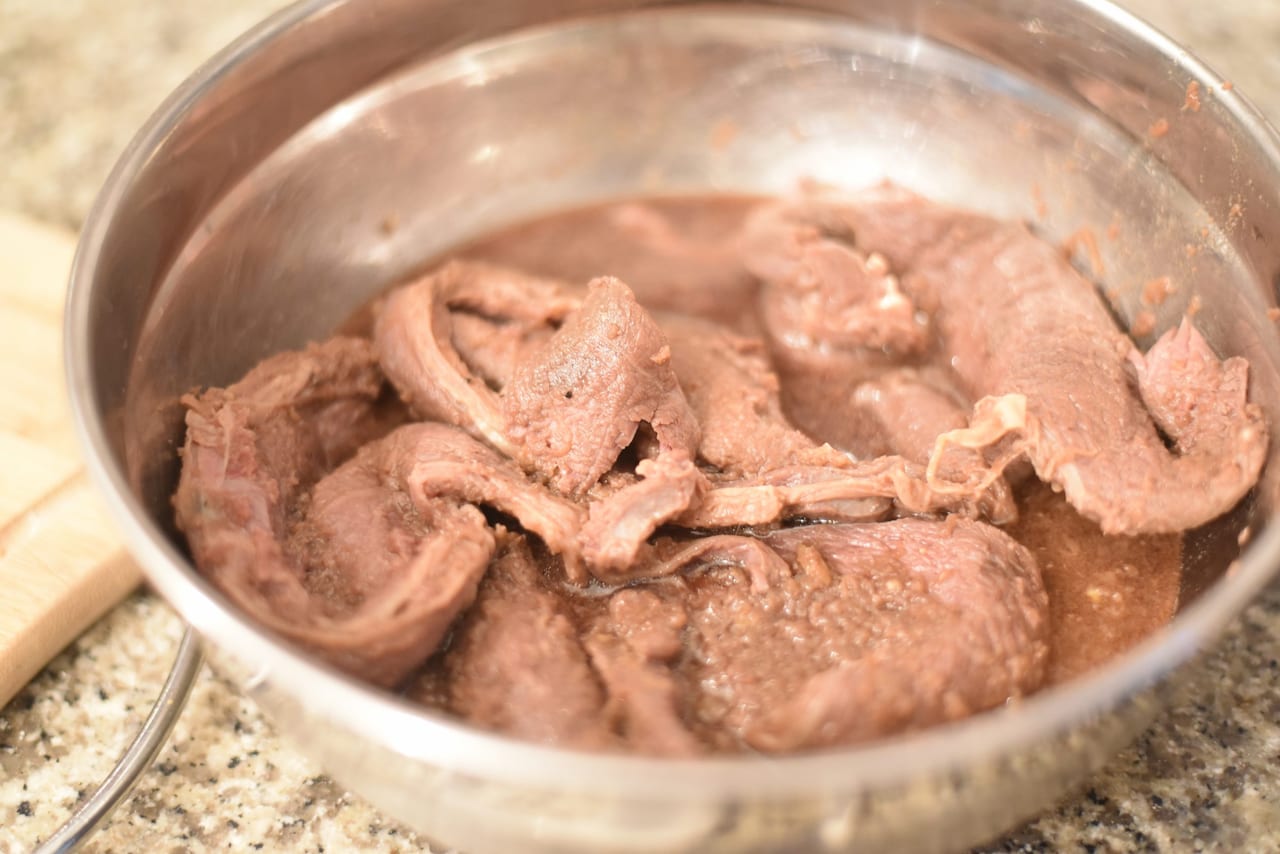
Take the meat out of the fridge into room temperature and set your sous-vide cooker to 130°F/65°c. Cook the meat with its marinade for 7 hour in a sealed bag. When ready, take out the meat and the marinade into a bowl, the meat should be soft as butter. Tear the meat by hand into bite size pieces or use a knife and place back in the bowl.
- 3
cooking the bulgogi· 10 minutes
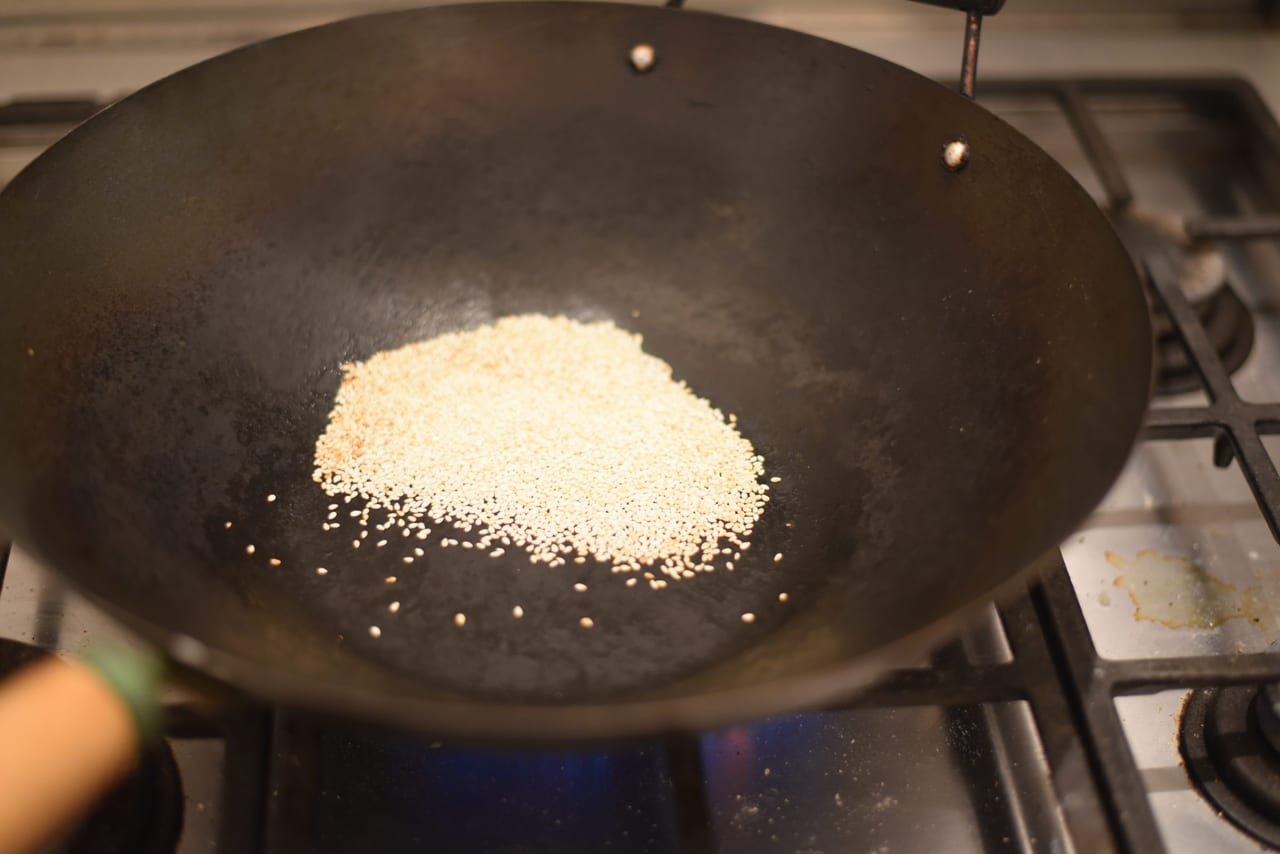
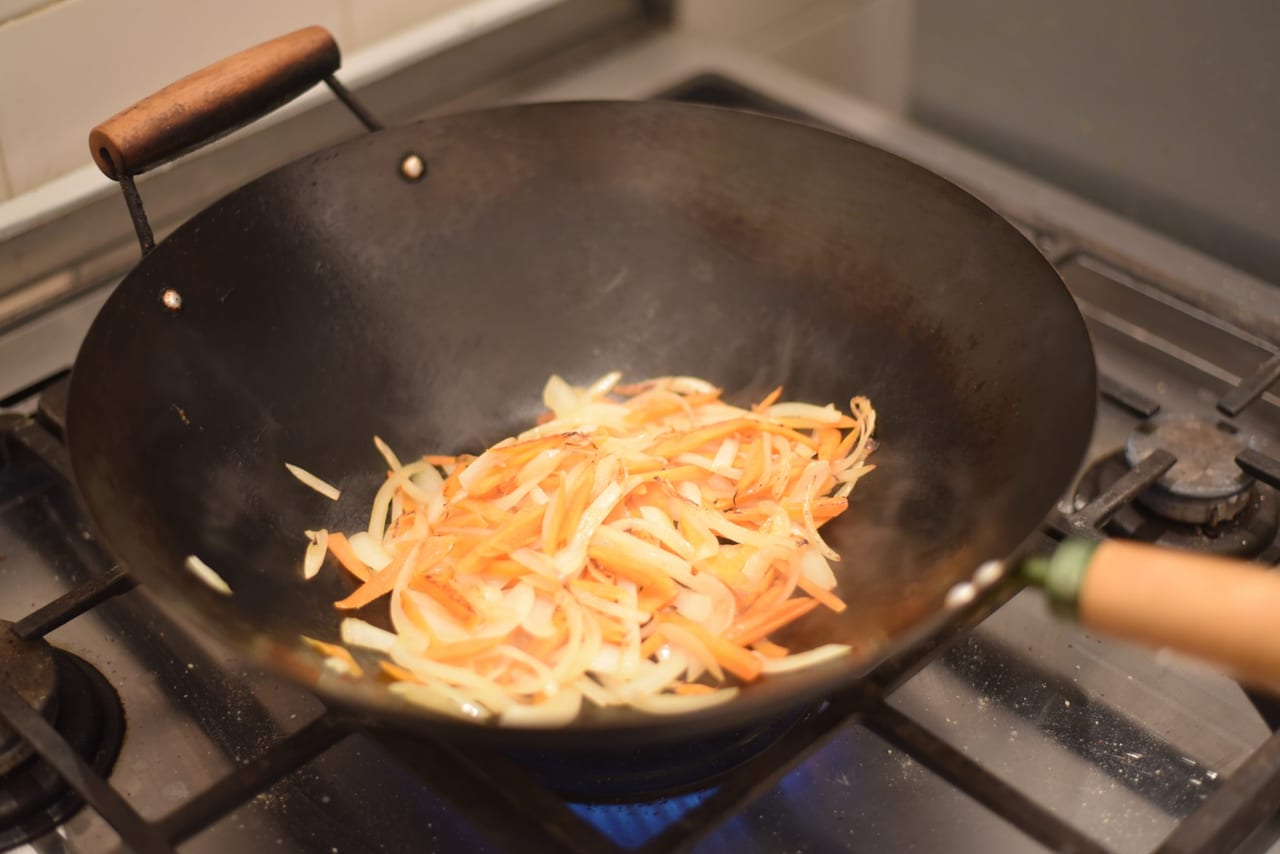
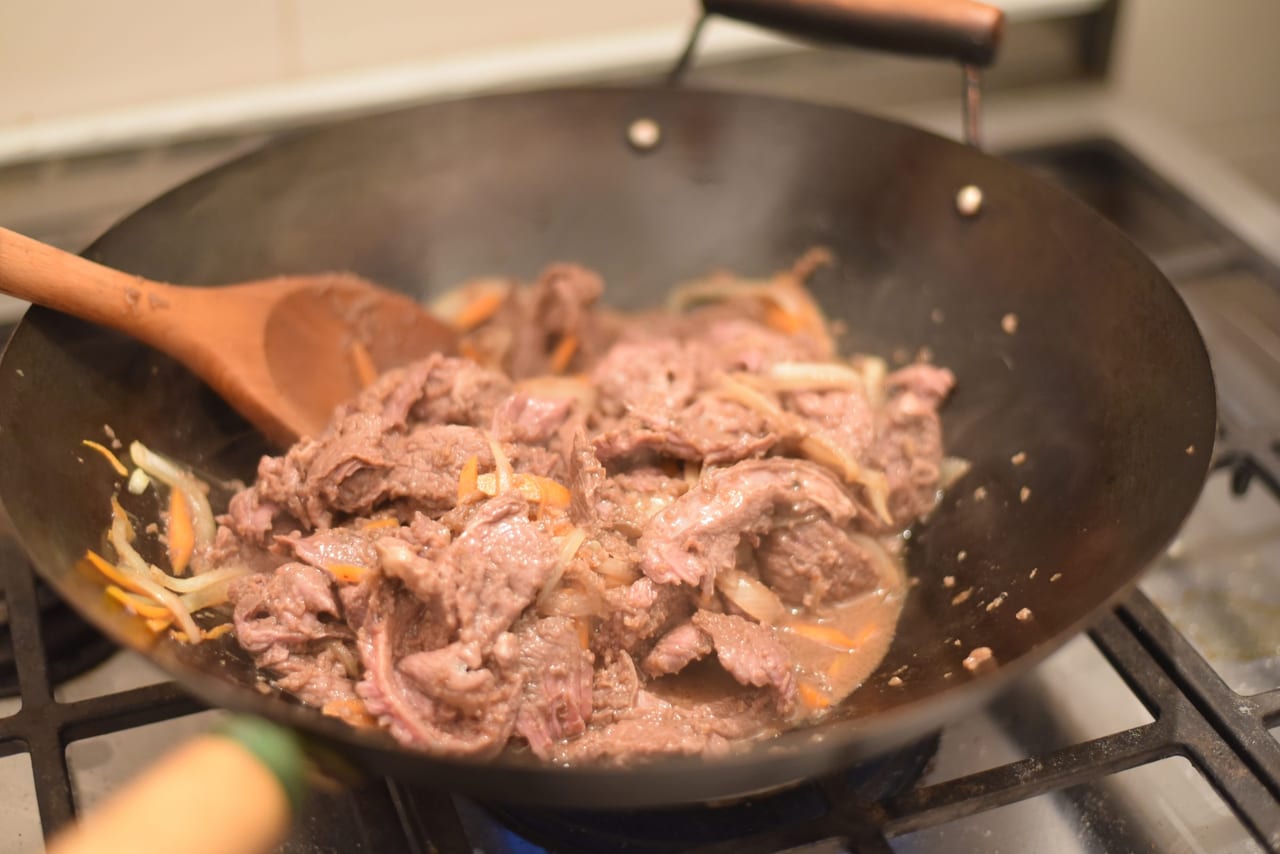
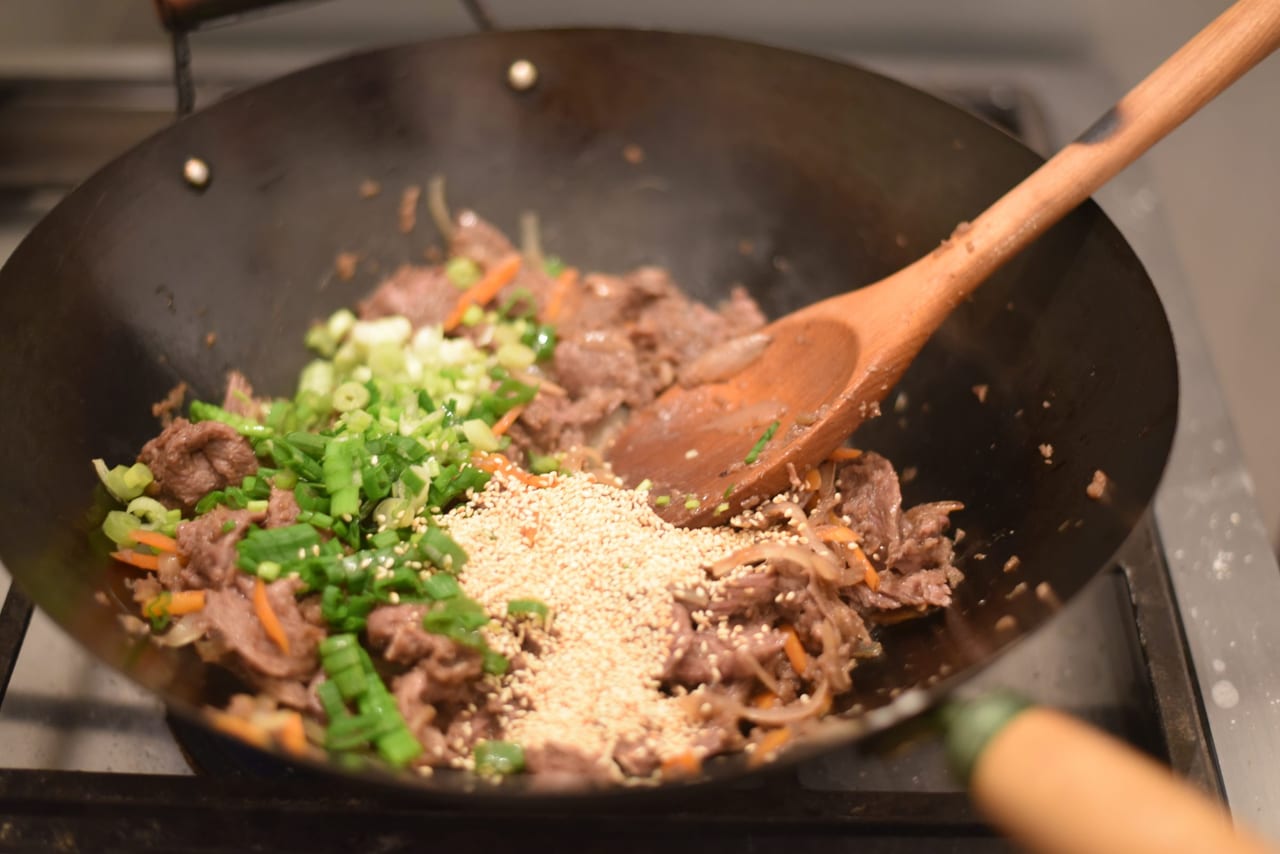
Place a large wok over high heat. Toast the sesame for about 1-2 minutes until golden and set aside. Pour in the oil, wait until shimmering and insert the onions and carrots, cook for 2-3 minutes until transparent. Add the meat with its marinade, reduce heat to medium-low and cook for another 5 minutes. Add the toasted sesame and green onion and cook for another minute.
- 4
Serving· 5 minutes
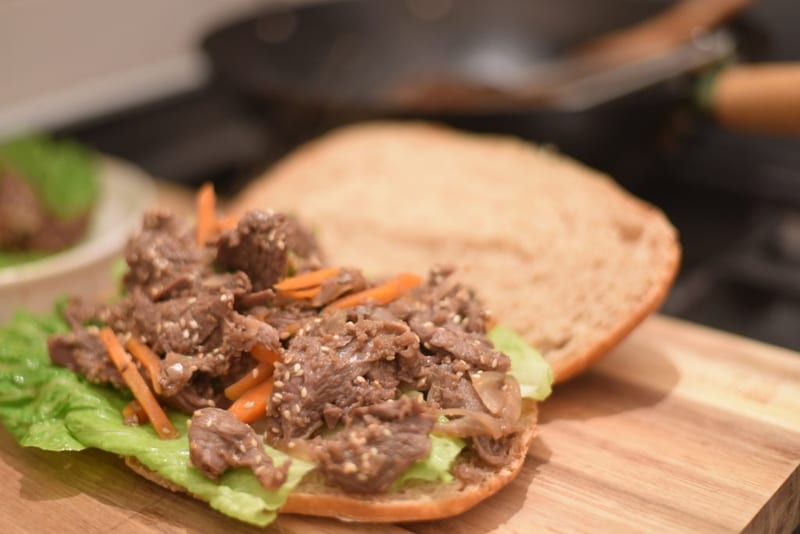
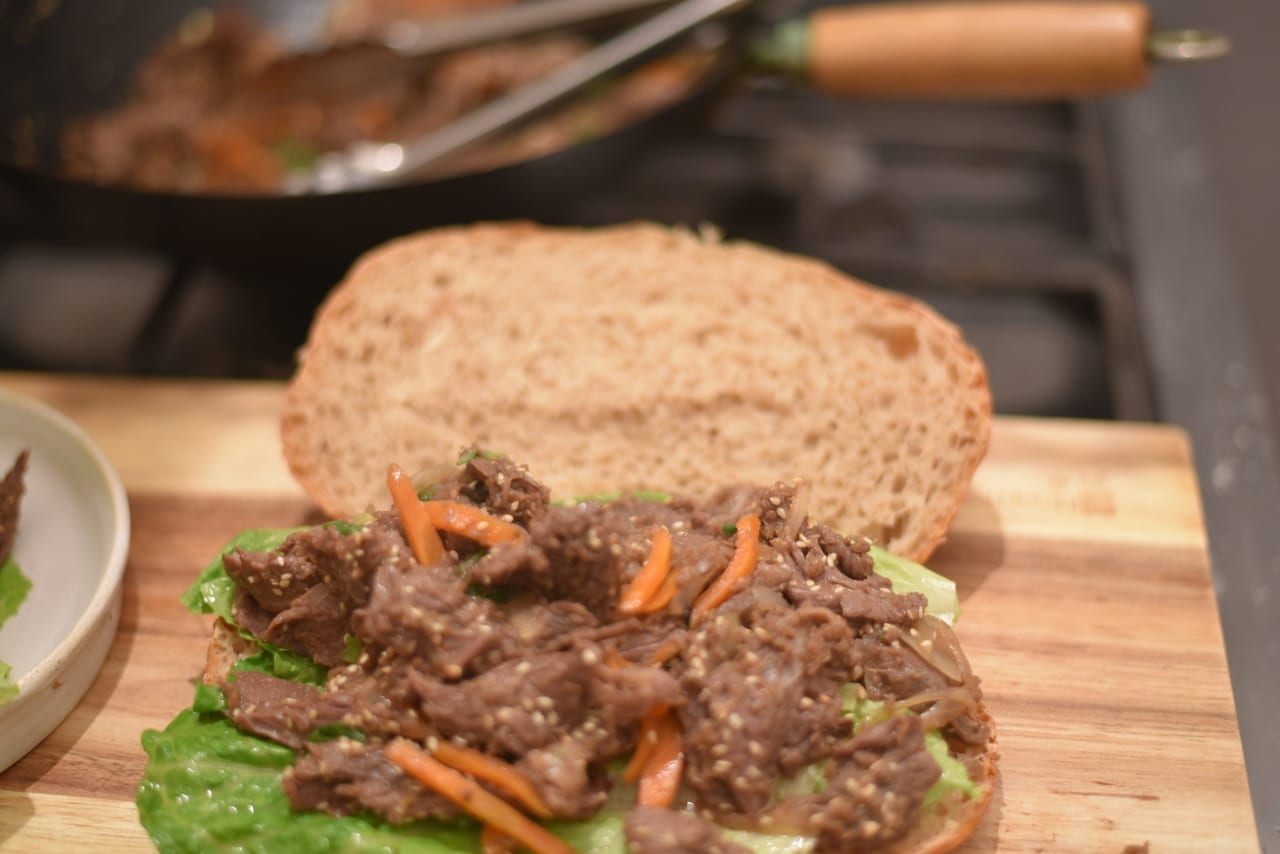
If you want the traditional serving, place a about 2 spoons of the bulgogi on a lettuce leaf and serve, if interested in a bulgogi sandwich, cut a ciabatta add lettuce and whichever sauce you like, insert as much bulgogi as it can fit.


Jaron Kimhi
Jaron Kimhi — self-taught home cook from Tel Aviv, writing and cooking every recipe on this site himself. 20+ years of tinkering in the kitchen, leaning toward slow cooking, classic technique, and honest ingredients.
More recipes by Jaron →


