Hungarian Goulash
Hungarian Beef, Peppers, Potatoes and Paprika delicious stew

Hungarian Goulash variation dishes
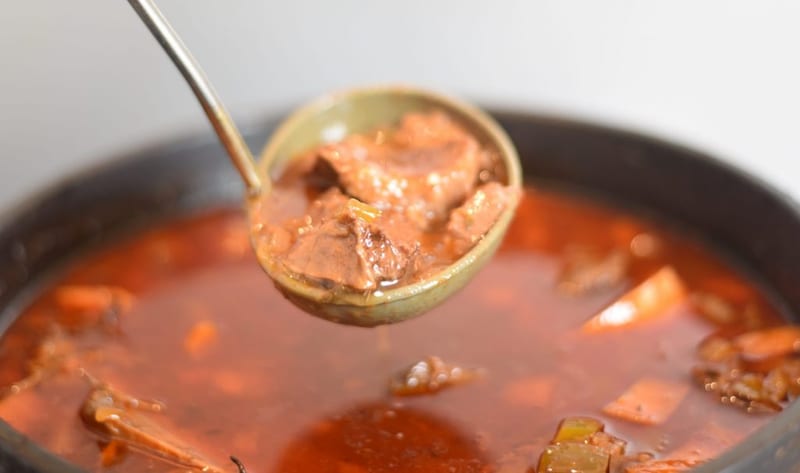
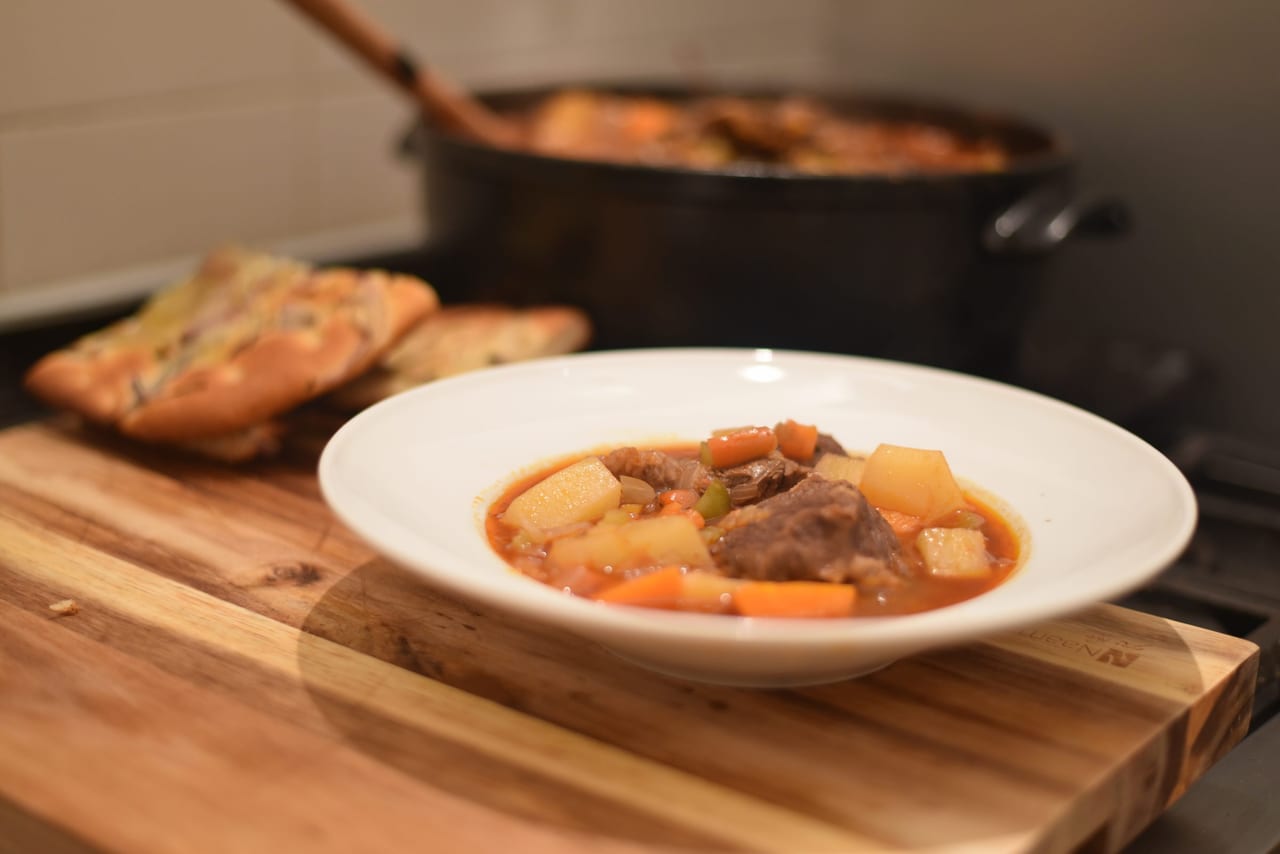
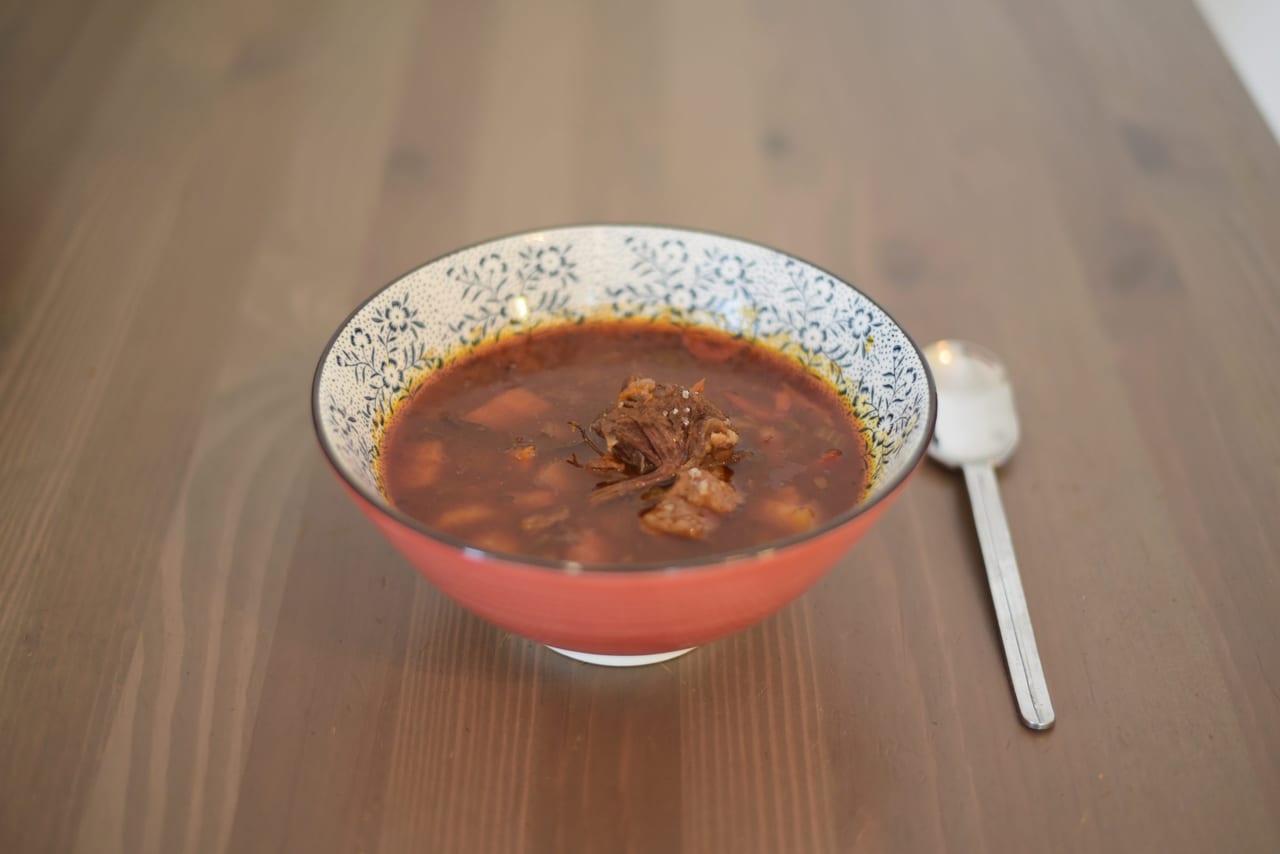
So, let's start from the beginning — what exactly is goulash? Goulash or "gulyás" is a beef stew or soup made with bell peppers and potatoes, seasoned heavily with paprika. In Hungary, you can find both versions — soup and stew. It's important to know the variations before you order what we call goulash, because in Hungary you might get something you didn't expect.If goulash is served as a soup, it'll come with beef chunks floating in it. If it's a stew, the sauce will be thicker and with more vegetables. 90% of the time when you order goulash in Hungary you'll get the soup. For the stew you'll need to order the Pörkölt — I'll elaborate more on that dish below.
There are a few variations in Hungarian cuisine on our sense of goulash. True, they're all seasoned heavily with paprika, but there are still some differences. Let's make some order... Paprikas or Paprikás is also a paprika-based stew, however it's usually made with chicken or veal and served with sour cream on top. In many recipes online, goulash and Paprikas are considered the same dish — they're not. There's another version you might confuse with goulash, called Pörkölt, which is similar to goulash in many ways but has less liquid and no tomatoes. You can think of Pörkölt as goulash stew cooked much longer than the soup, so most of the liquid has evaporated and you're left with just a thick, hearty stew. Another difference is that the meat is diced a bit bigger than in goulash, and there are no potatoes, or fewer potatoes. There's also another version called Tokány. It's similar to a ragù in texture and much drier — in this dish we use strips of meat seasoned with oregano and black pepper.Guidelines for the Hungarian Goulash
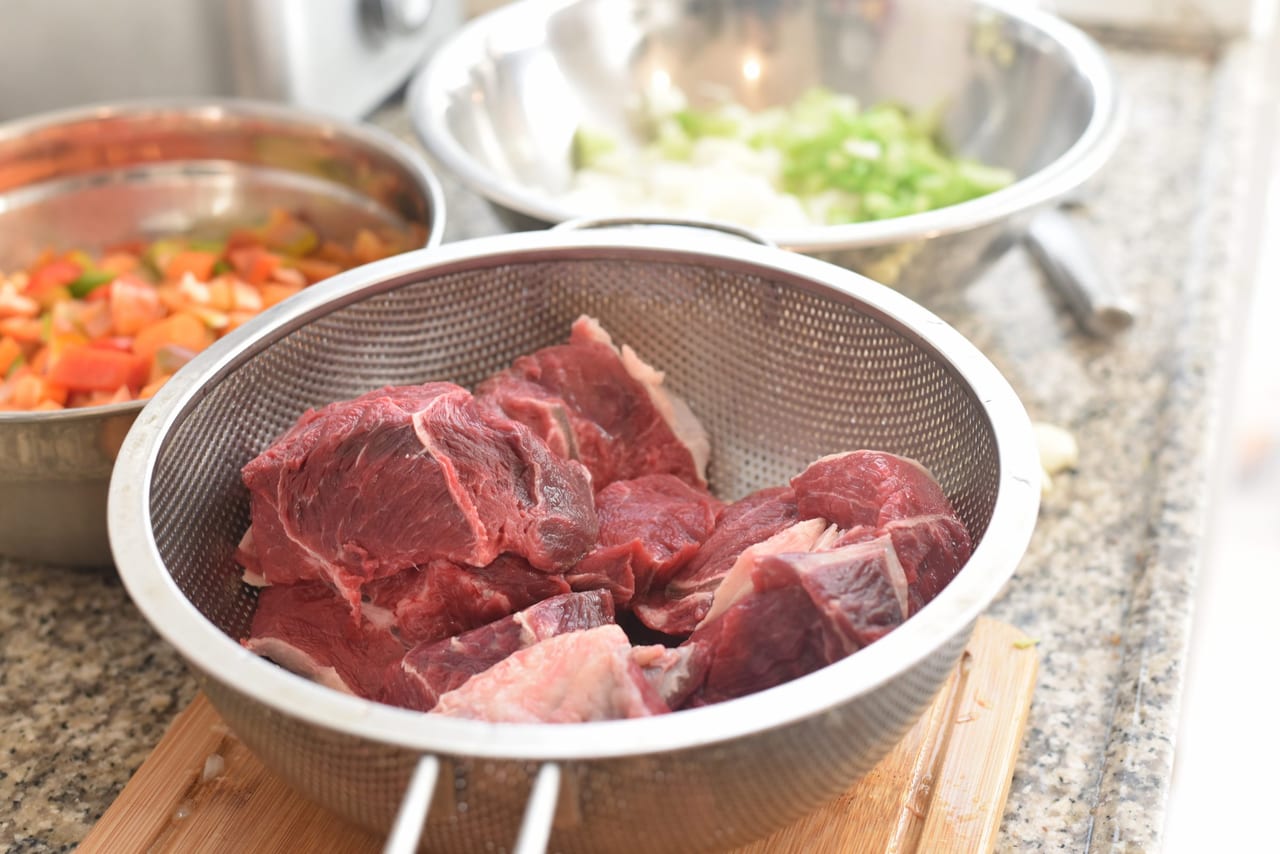
If quoting the master of goulash, George Lang:"The more parts of beef and beef innards are used, the better the gulyás will be. Of course, lard, bacon and chopped onion are absolute musts."Like any beef stew, I look for a rich flavor, and the goulash stew is no different. I use chuck steak cubes and marrow bones to get the aromas I want in the stew. I also recommend oven-baking the Hungarian goulash for at least 4 hours, which lets it develop the texture, the deep flavors, and reach its full potential. In my goulash I don't use bacon — I find it affects the final flavor way too much. I prefer marrow bones to get those deep flavors and the fat content this stew needs.
Method
- 1
searing the meat· 7 minutes
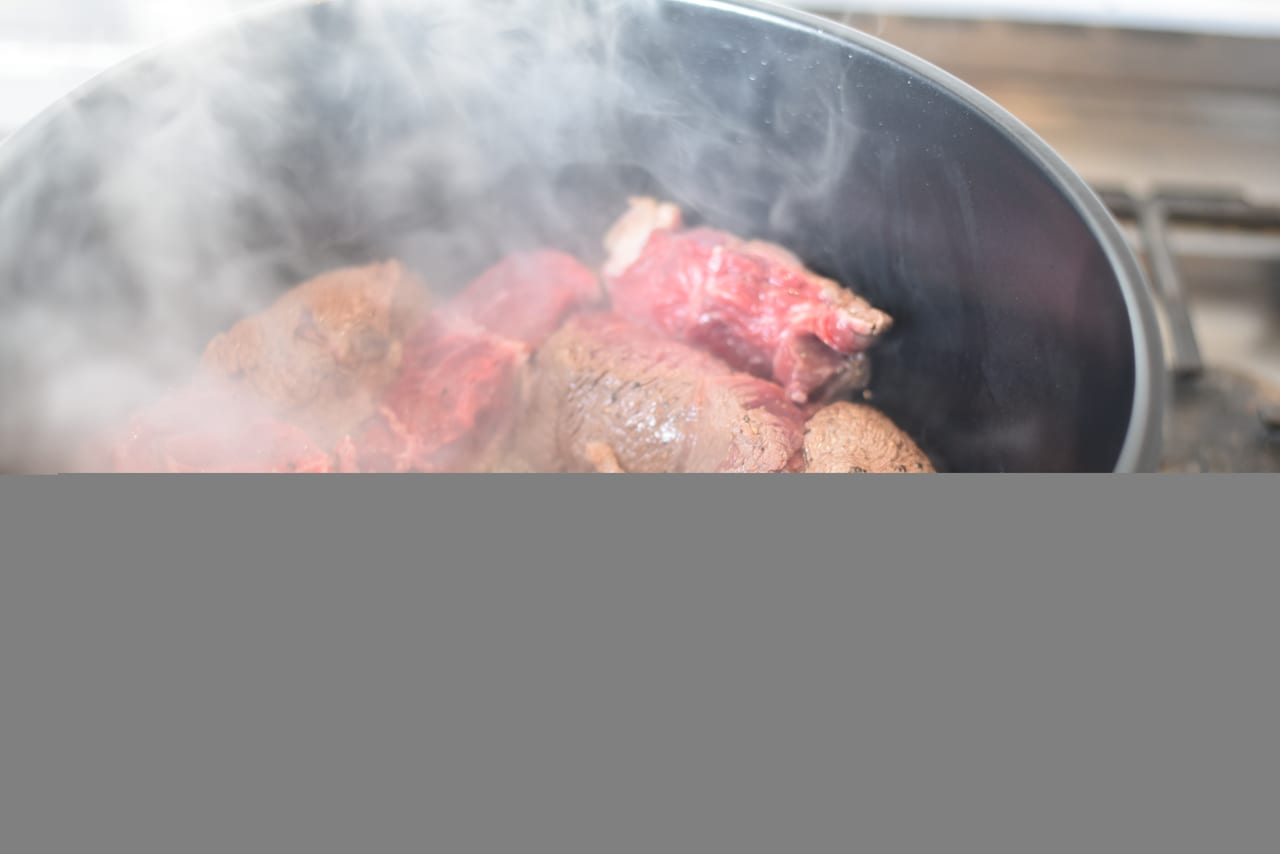
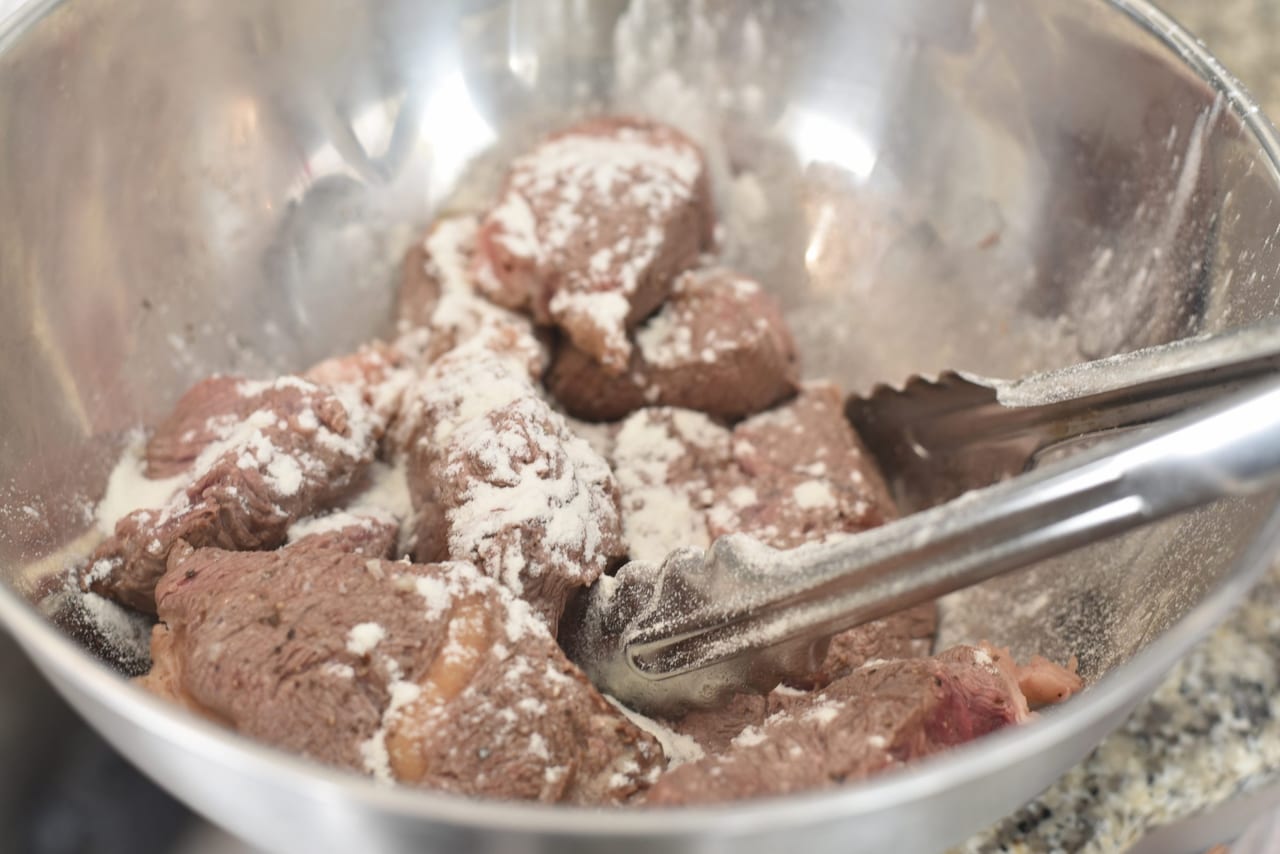
Set a large Dutch oven and set over medium-high heat. pour the oil and wait until smoking, place the chuck cubes in the pot and brown from all sides. remove meat from the Dutch oven and place in a bowl, sprinkle the flour and mix with the meat.
- 2
finishing the stove cooking· 20 minutes
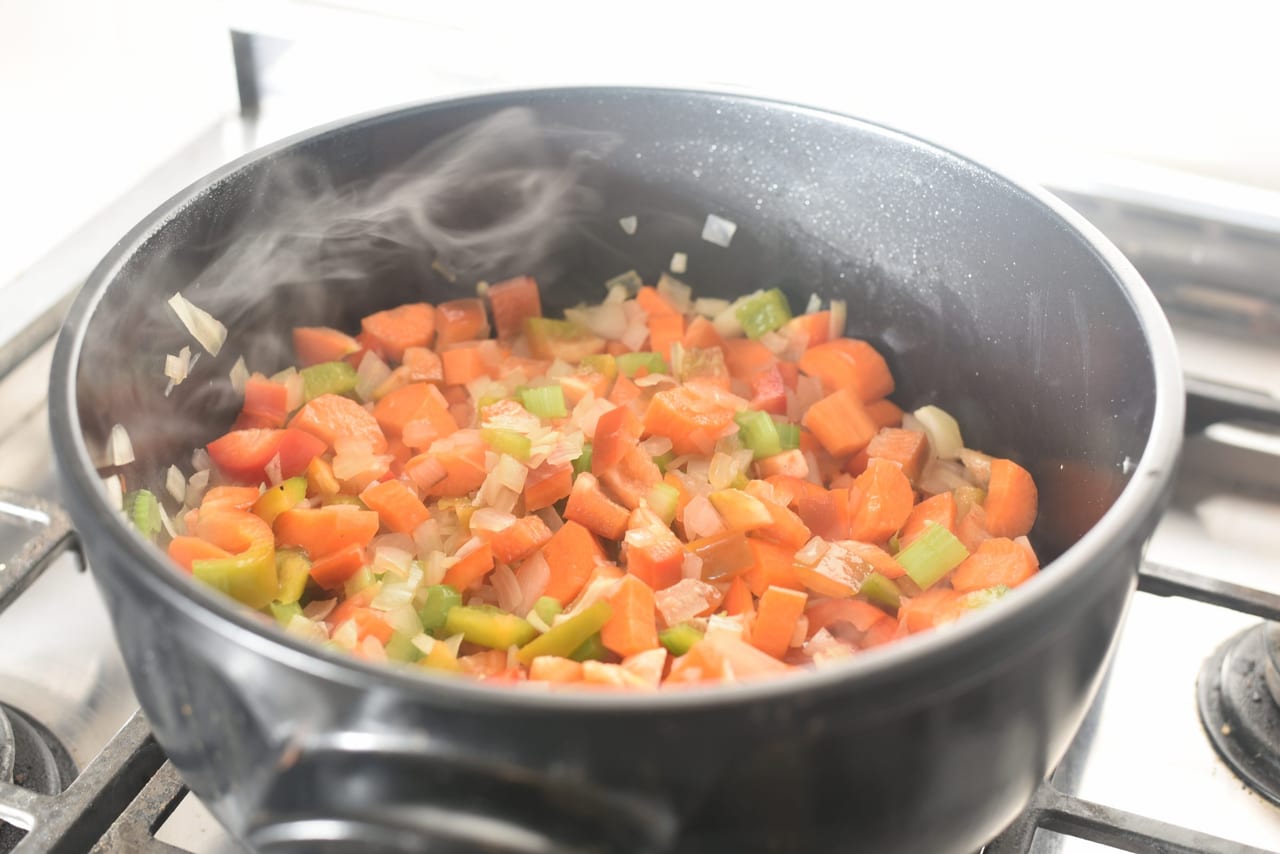
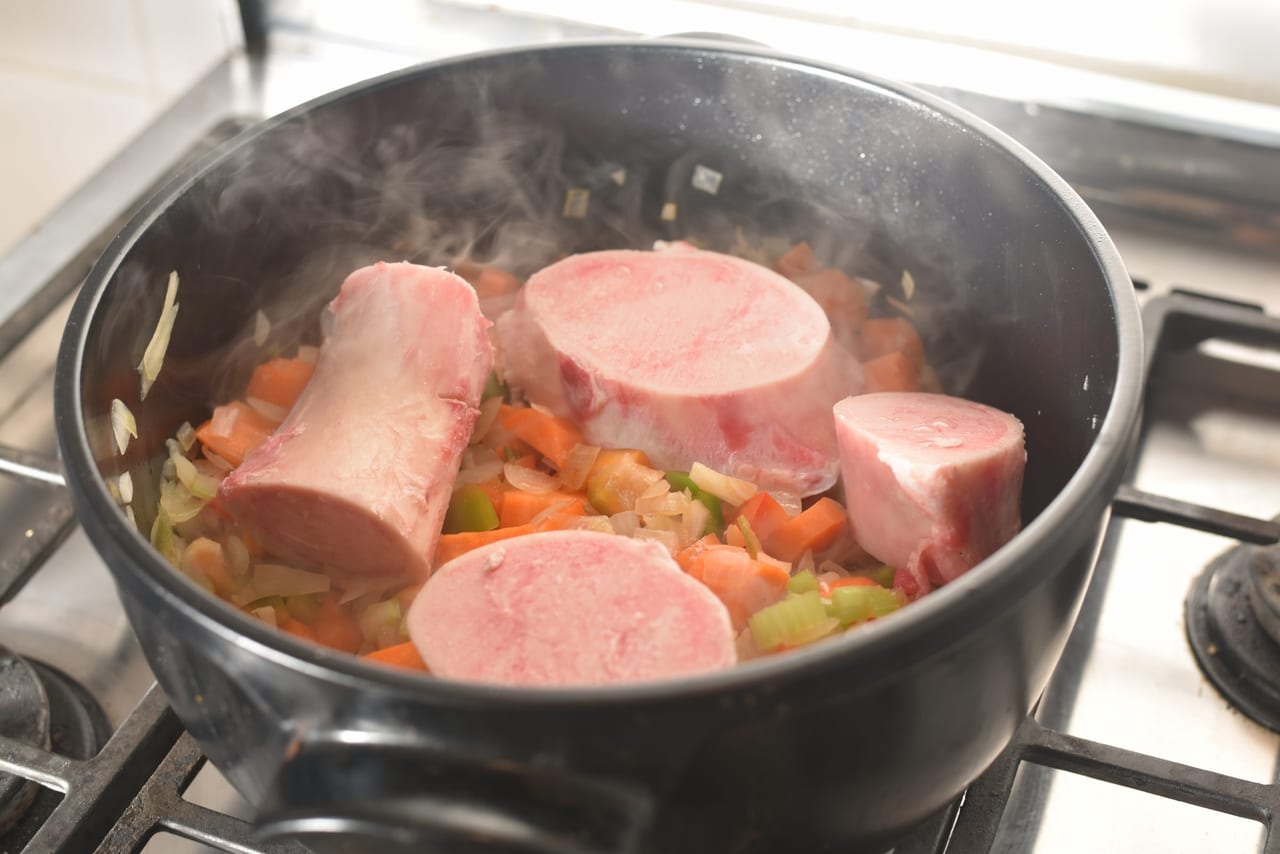
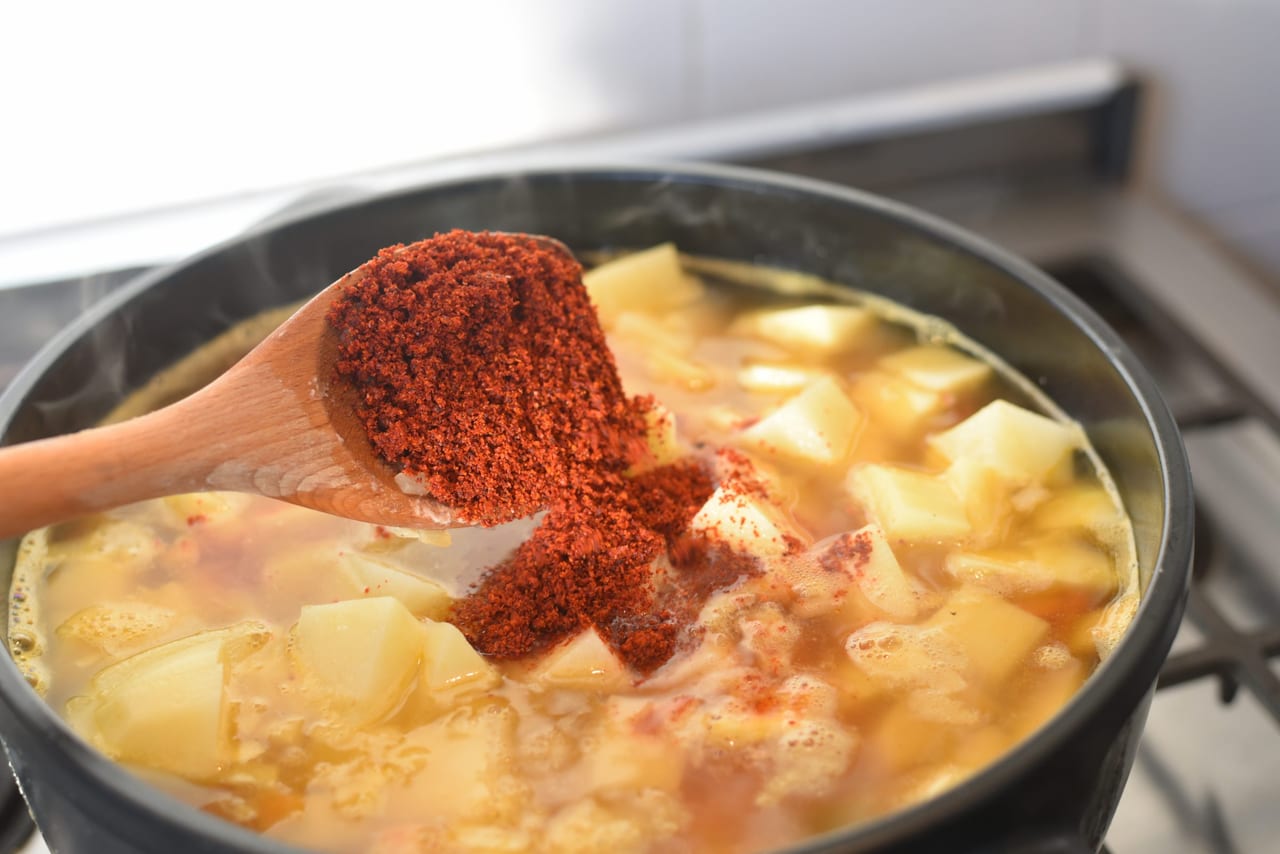
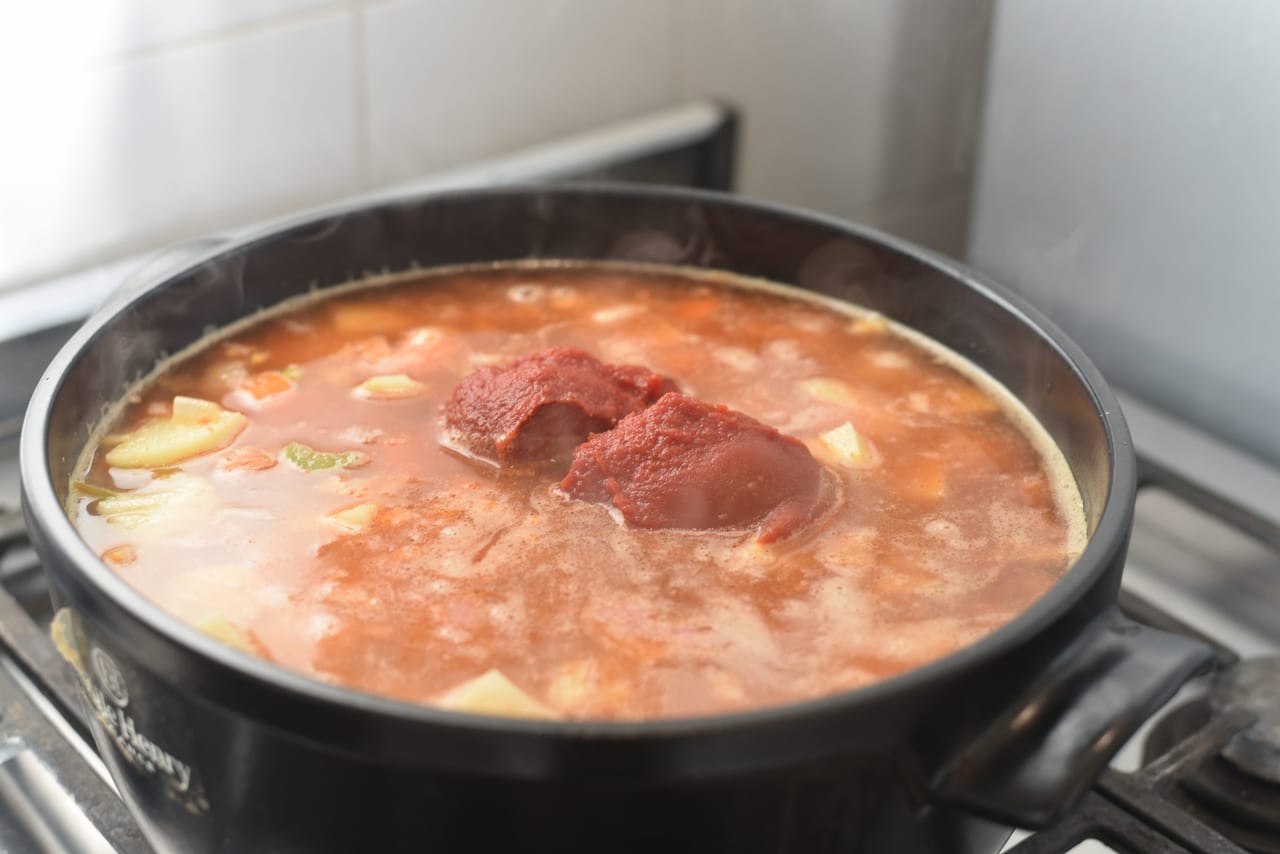
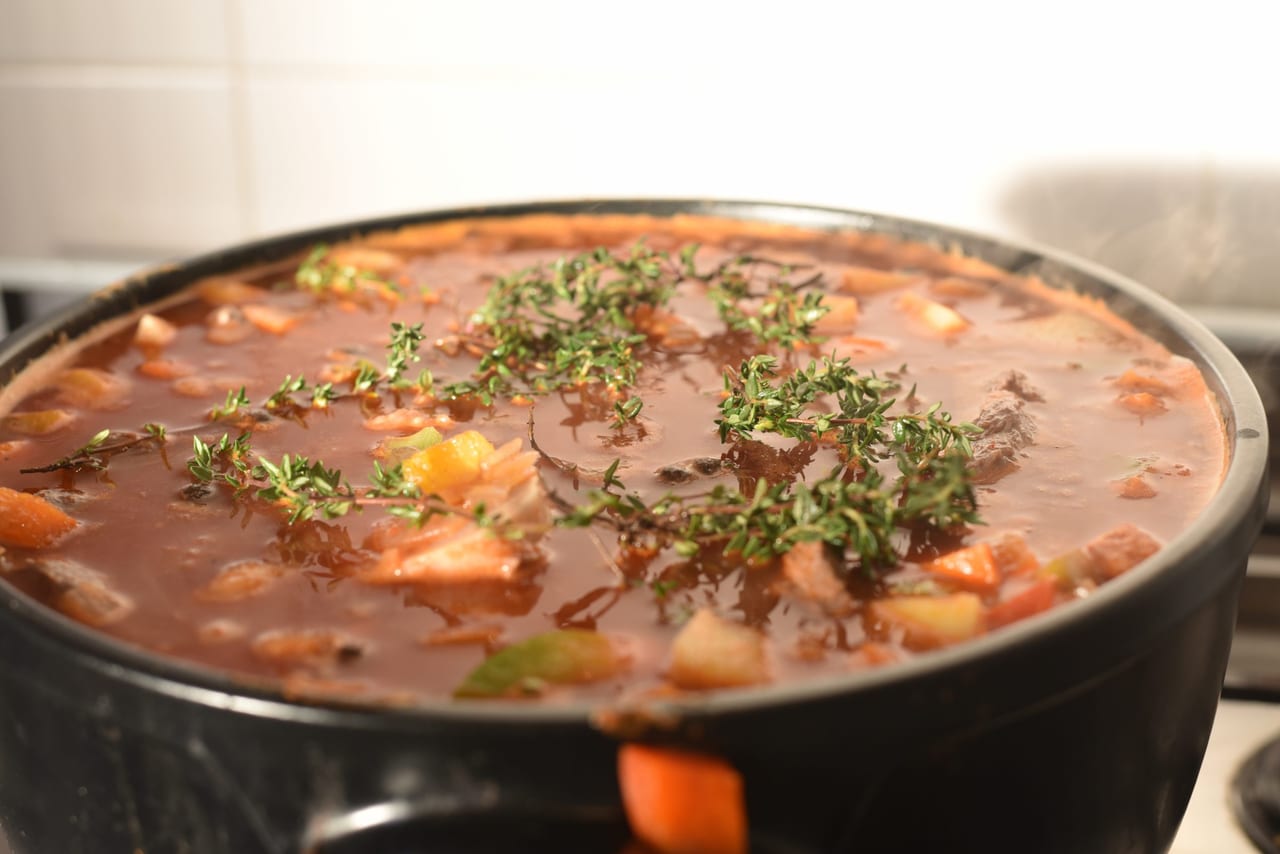
In the same Dutch oven, add the onions, celery, carrots, bell peppers, garlic and cook for 7 minutes. Place the marrow bones on top, add water for about ¾ of the height of the pot and return the meat to the pot. Add the potatoes and season with paprika, bay leaves and allspice, mix well and add the tomato paste. Preheat the oven to 130°c/260°F. Bring the pot into a simmer and add the salt, pepper and thyme.

- 3
baking the Goulash and serving
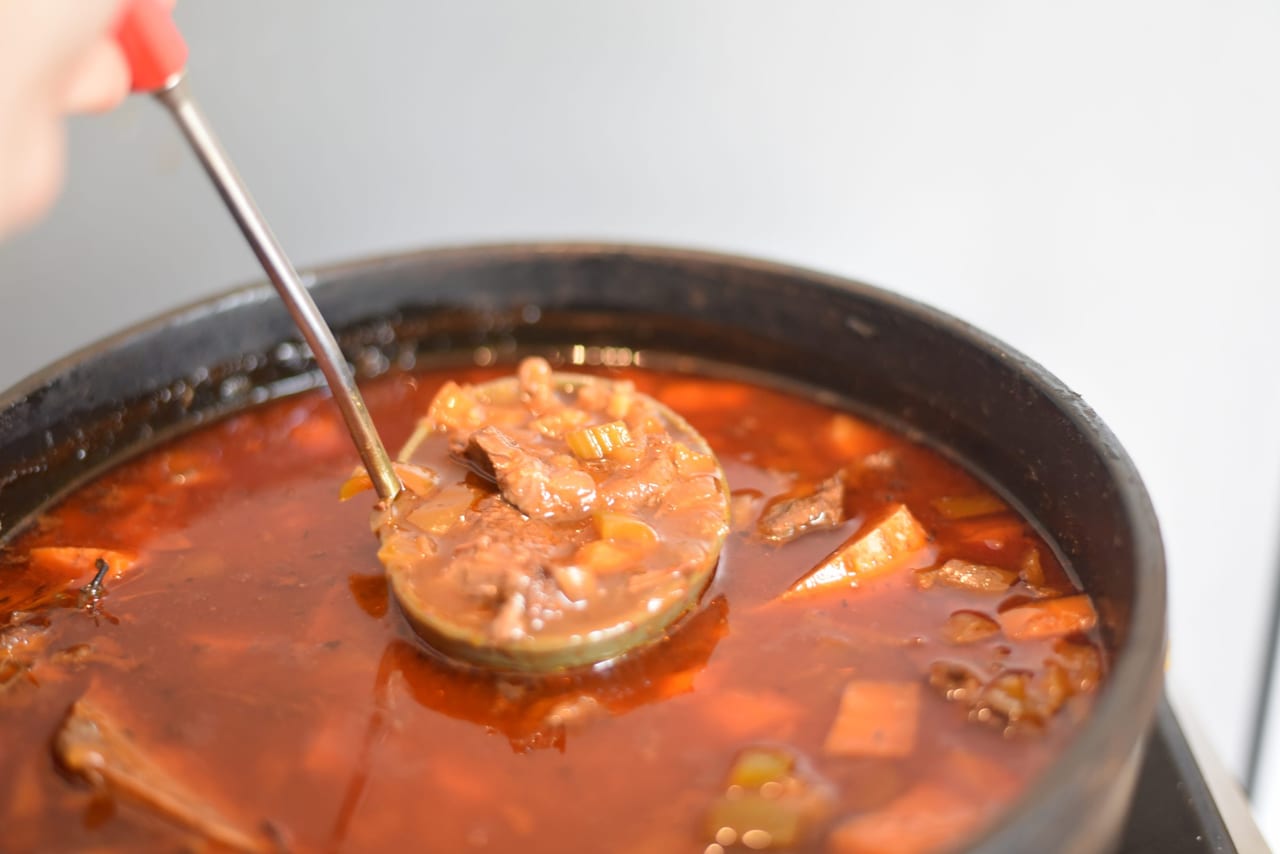
Place the pot in the oven and bake for 4-6 hours. Take out the Dutch oven and serve hot.


Jaron Kimhi
Jaron Kimhi — self-taught home cook from Tel Aviv, writing and cooking every recipe on this site himself. 20+ years of tinkering in the kitchen, leaning toward slow cooking, classic technique, and honest ingredients.
More recipes by Jaron →


