Whole Spelt Bread

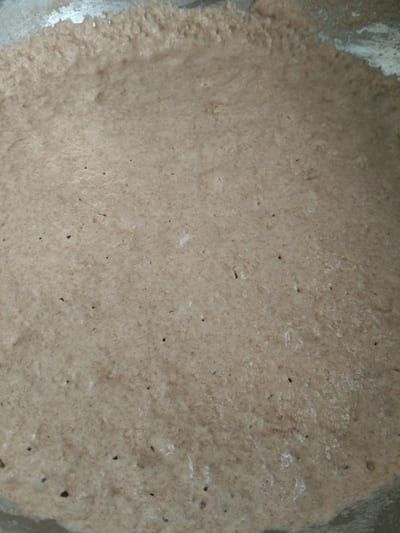
The method we use in this spelt bread
For this spelt bread we use autolyse. The biological meaning of autolyse is self-digestion — when referring to bread, it's the destruction of the cell using its own enzymes. I'll get into the autolyse method in more detail in the future, but in short: we let the dough rest without the action of yeast for about 30 minutes. This allows the gluten to form bonds passively and develop a much more stable structure. It also lets us add more water than usual, creating a much runnier dough. It's not an easy dough to work with, but the outcome is fantastic.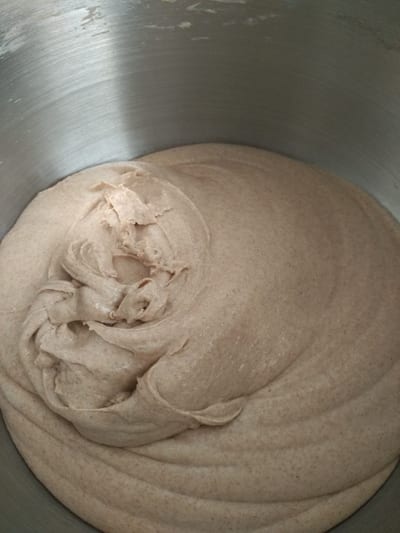
Method
- 1
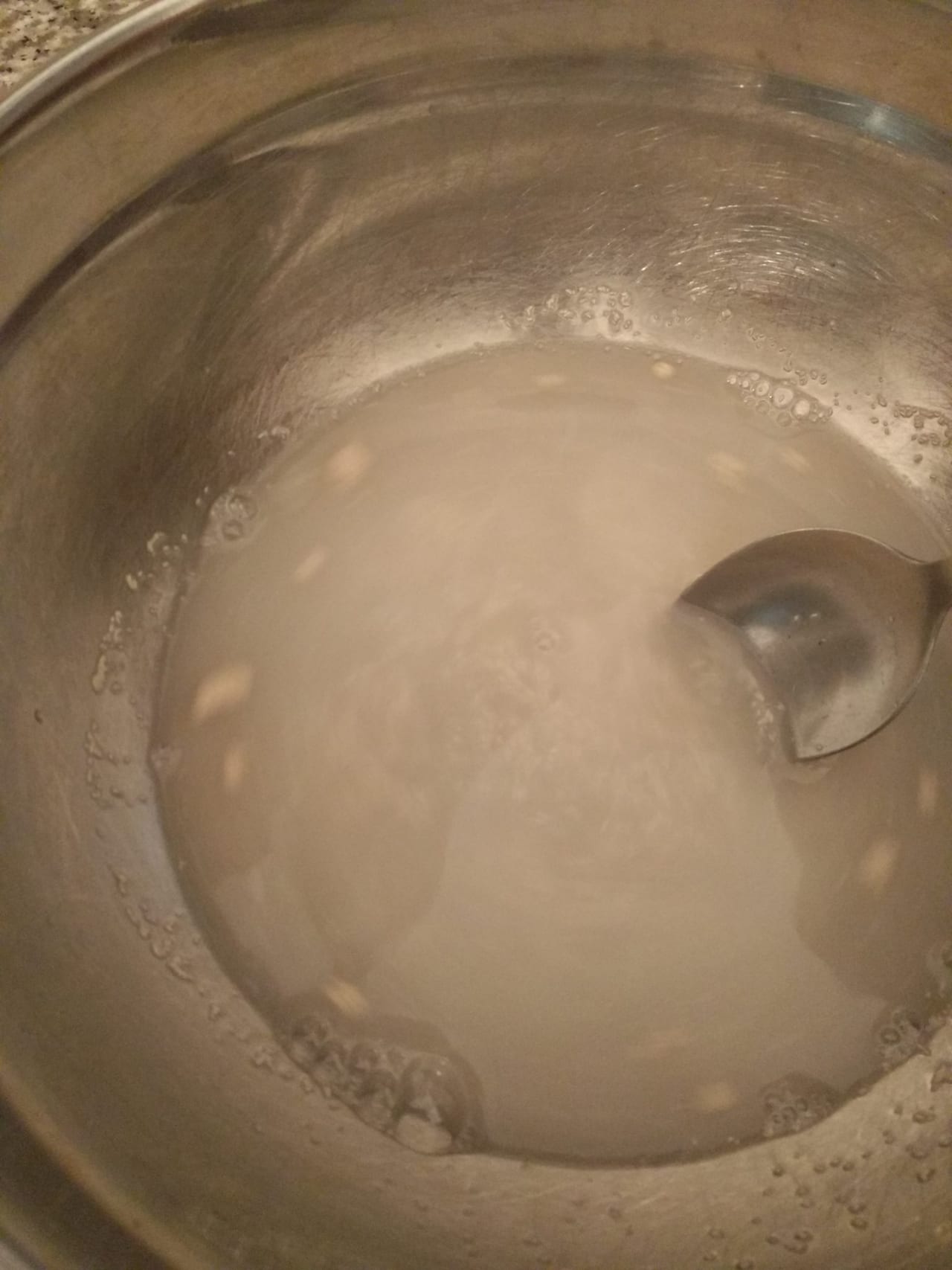
starter dough (Polish)· 12-15 hours
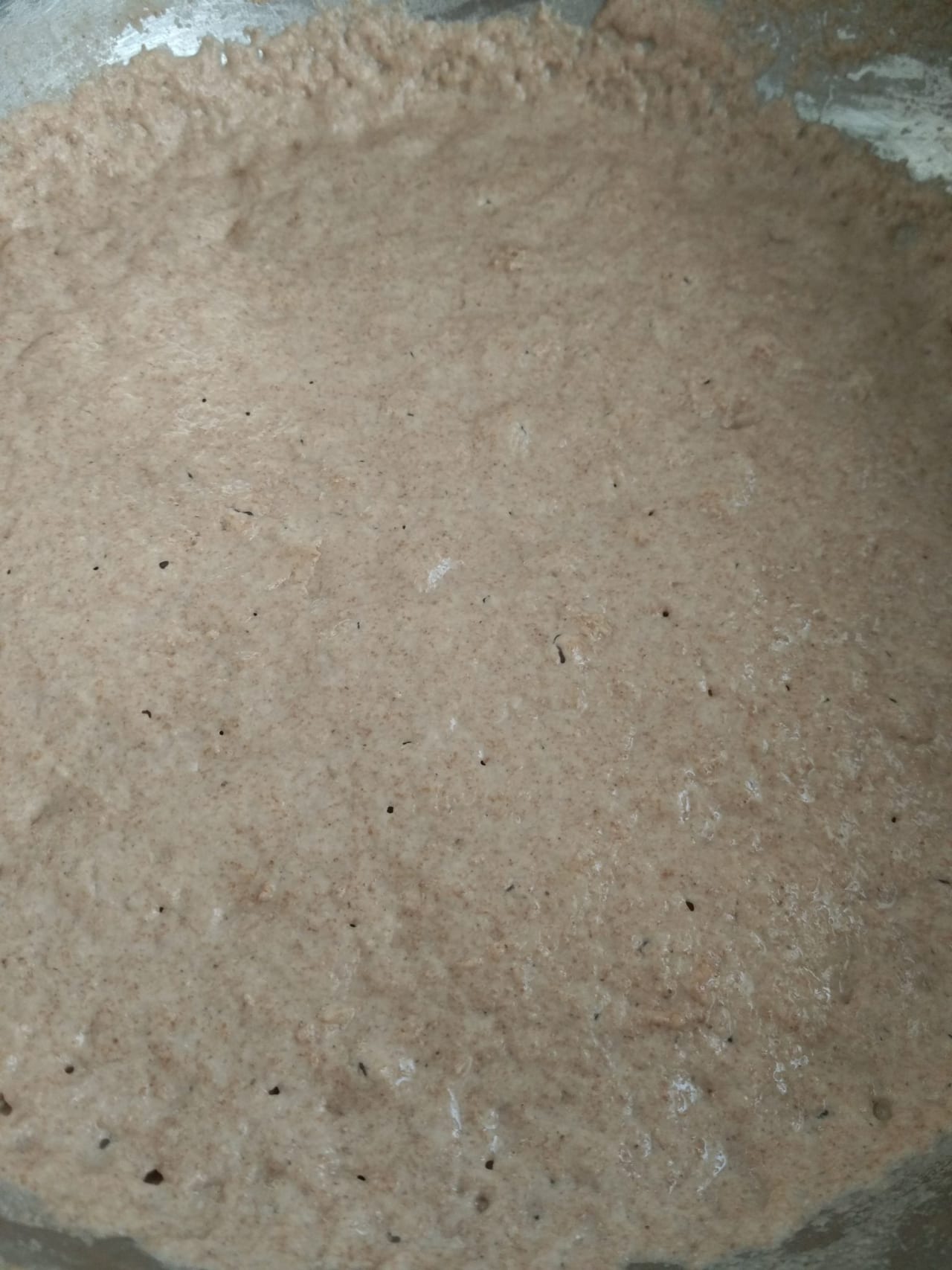
dissolve the yeast in the water and add to the flower mix, cover with a plastic wrap and let the dough rest for 12-15 hrs. we are waiting for the polish to bubble.
- 2
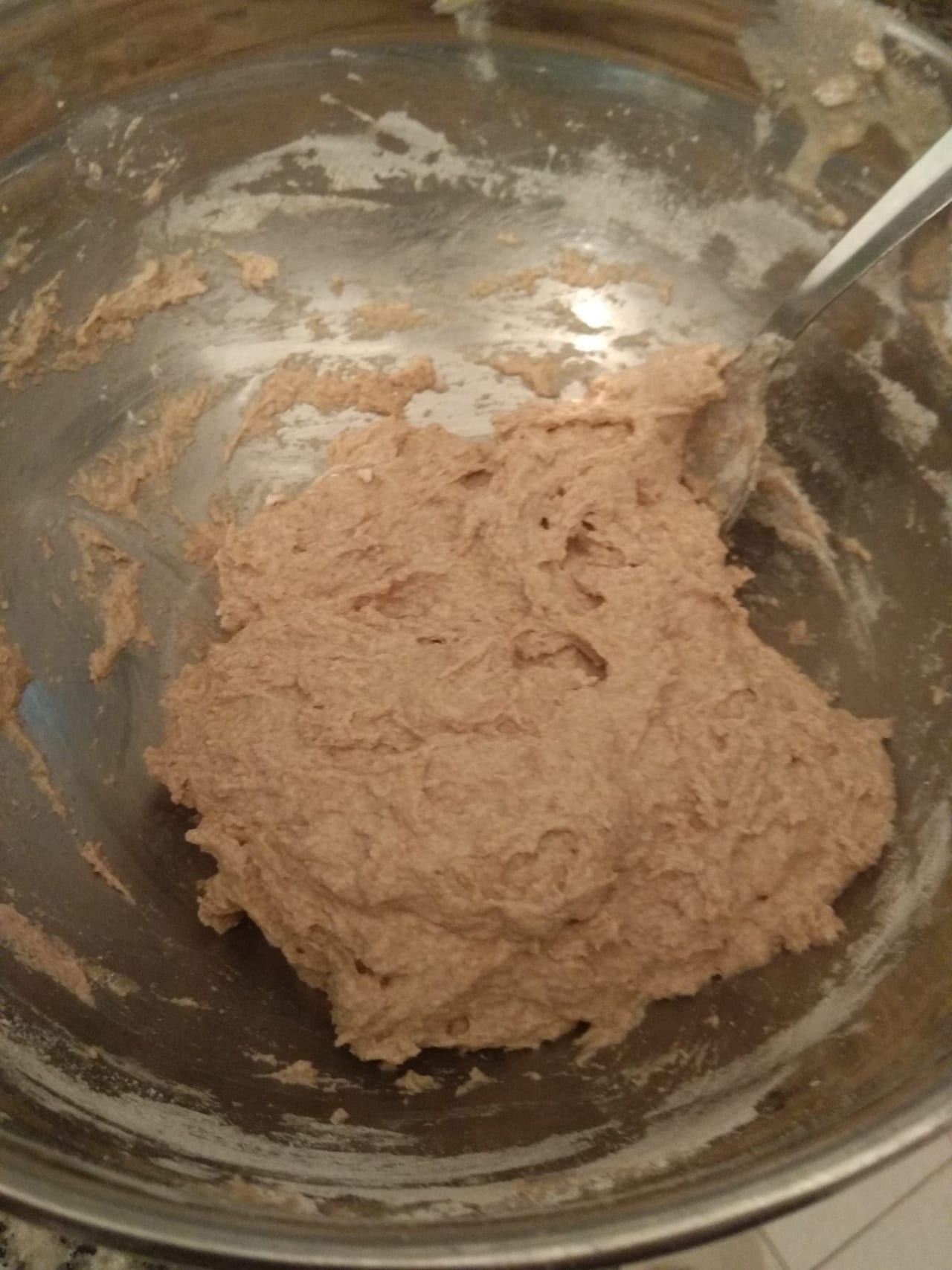
prepare the main dough· 2 hours
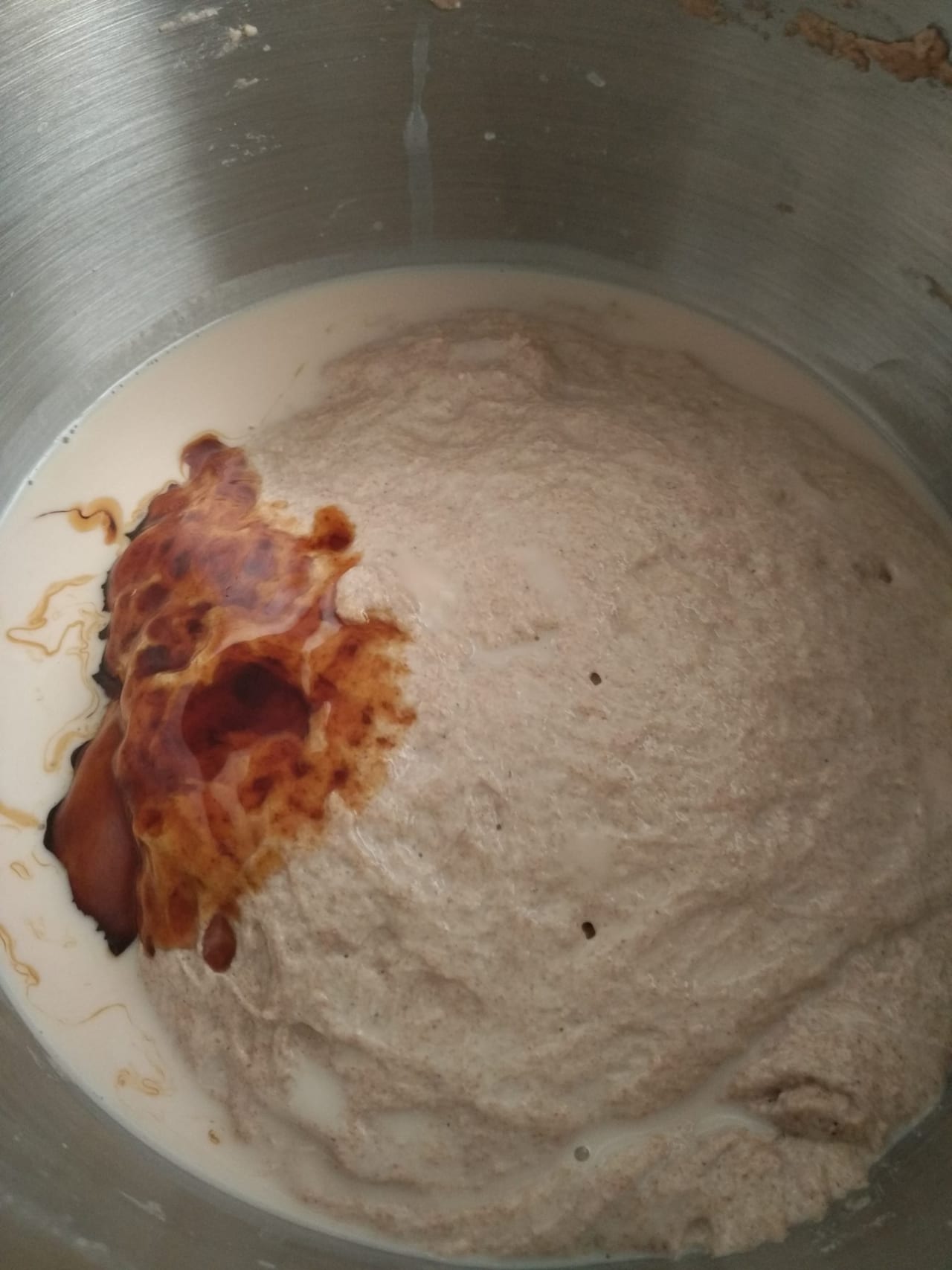
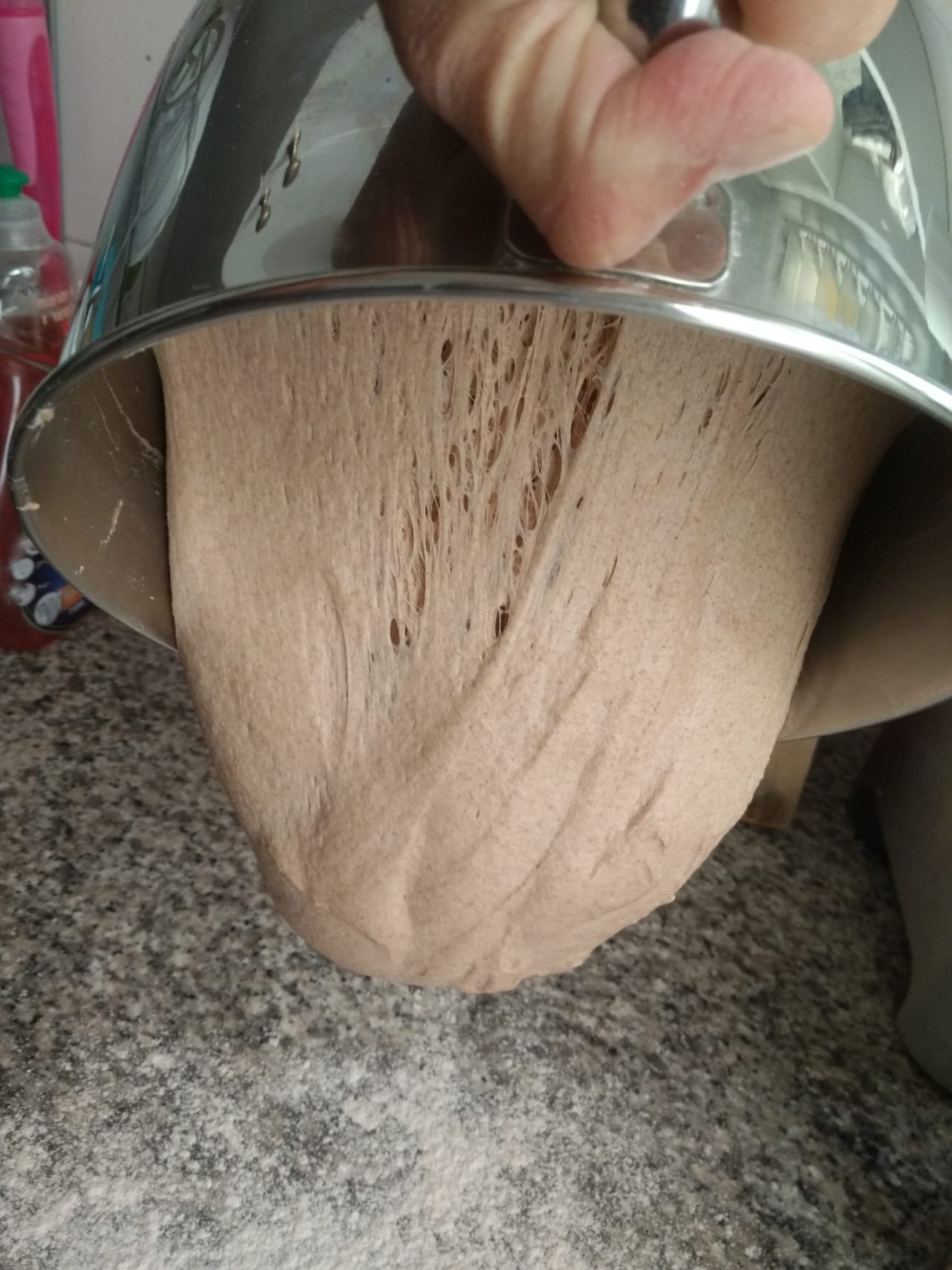
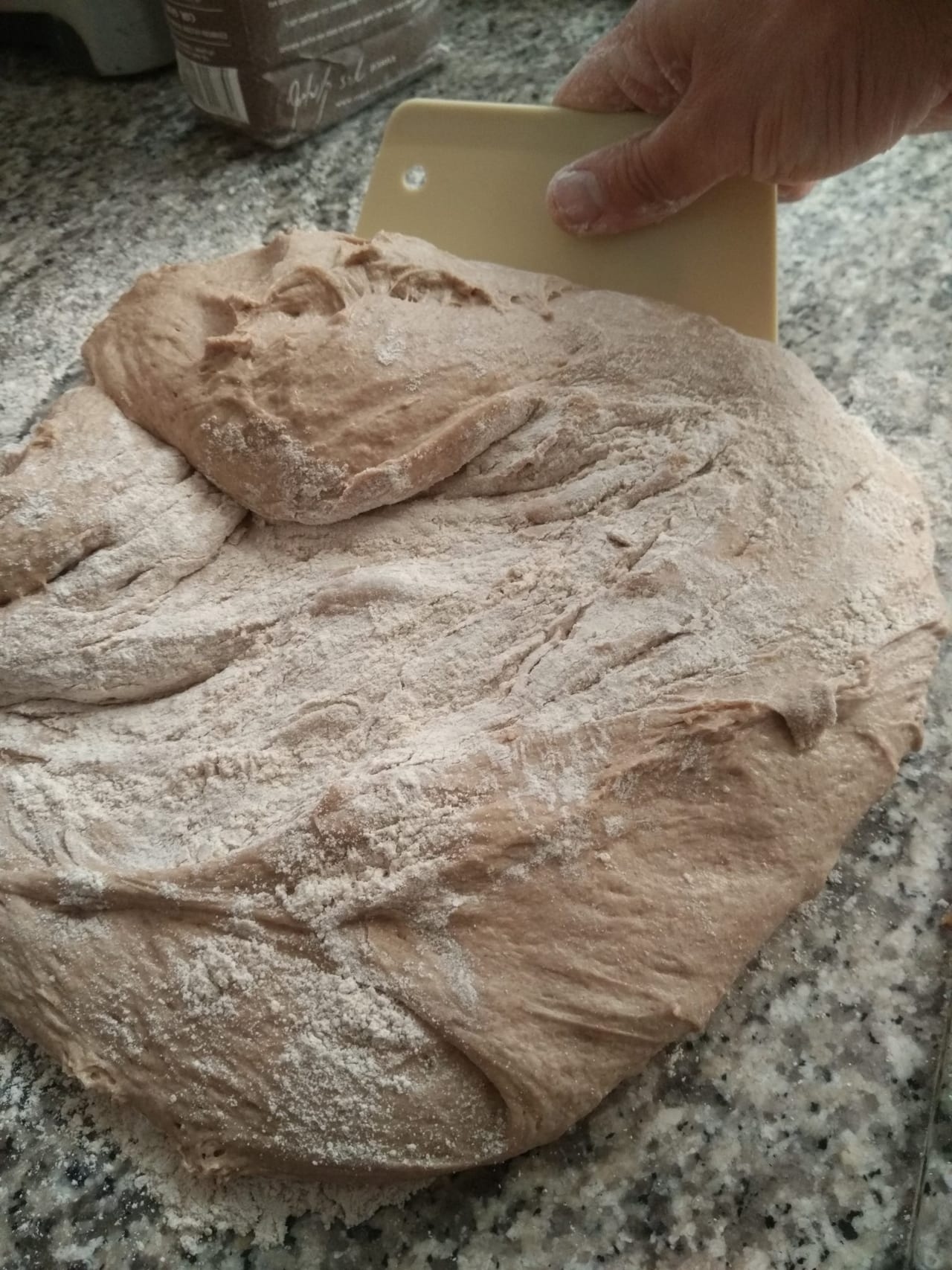
mix only the flour and the water for a few minutes, no polish is added at this stage, autolyse remember? cover with a plastic wrap and let rest for 30-60 minutes. add the polish, date honey and yeast to the autolyse dough and mix for 5 minutes, add the salt and mix for another 8 minutes. take dough out of the mixer bowl and hand knead the dough for 2 more minutes. the dough is runny and not easy to handle so spread some flour on the surface to help the dough from sticking. place the dough back in the bowl and cover for another 30 minutes.
- 3
final resting and shaping
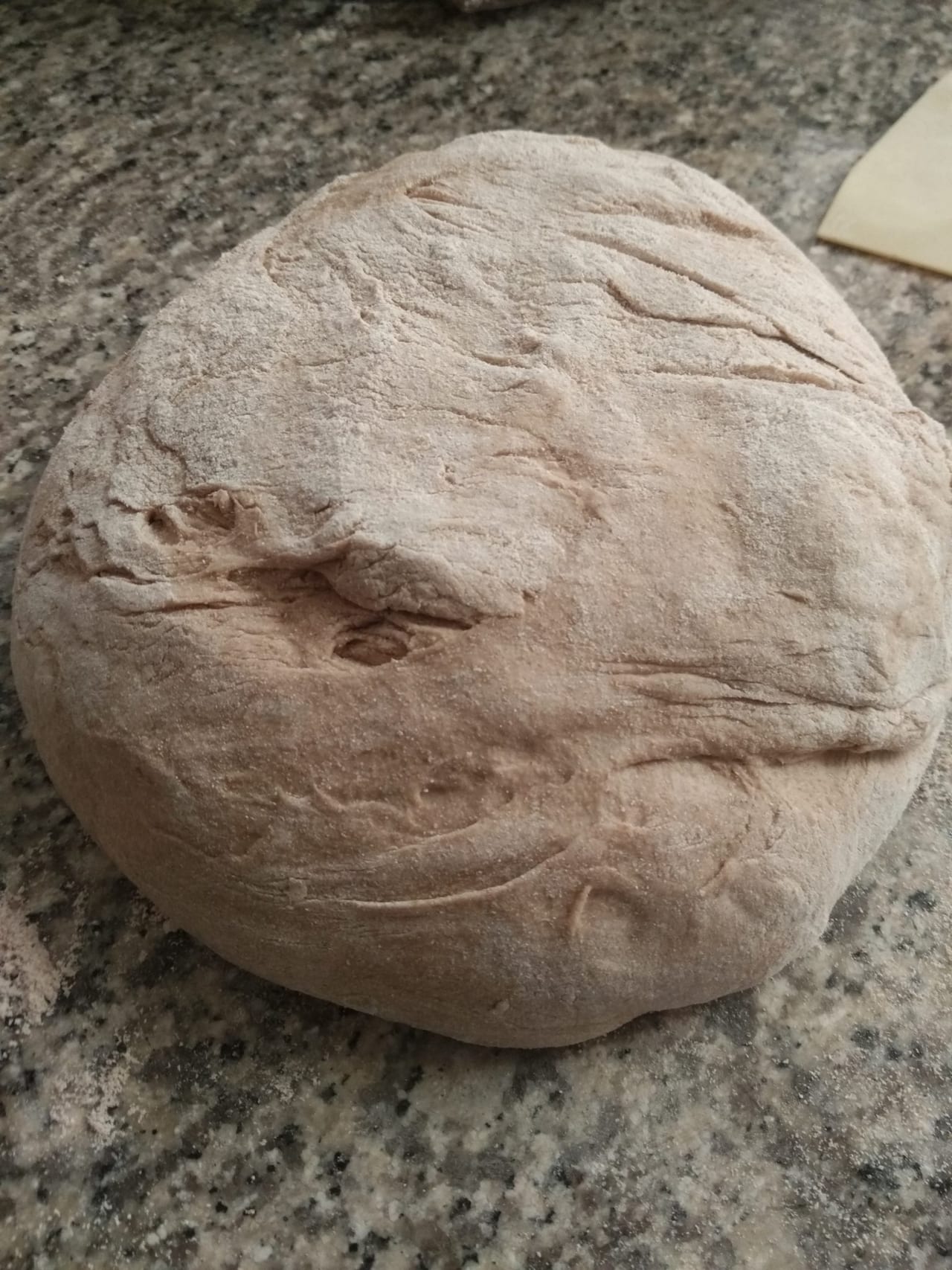
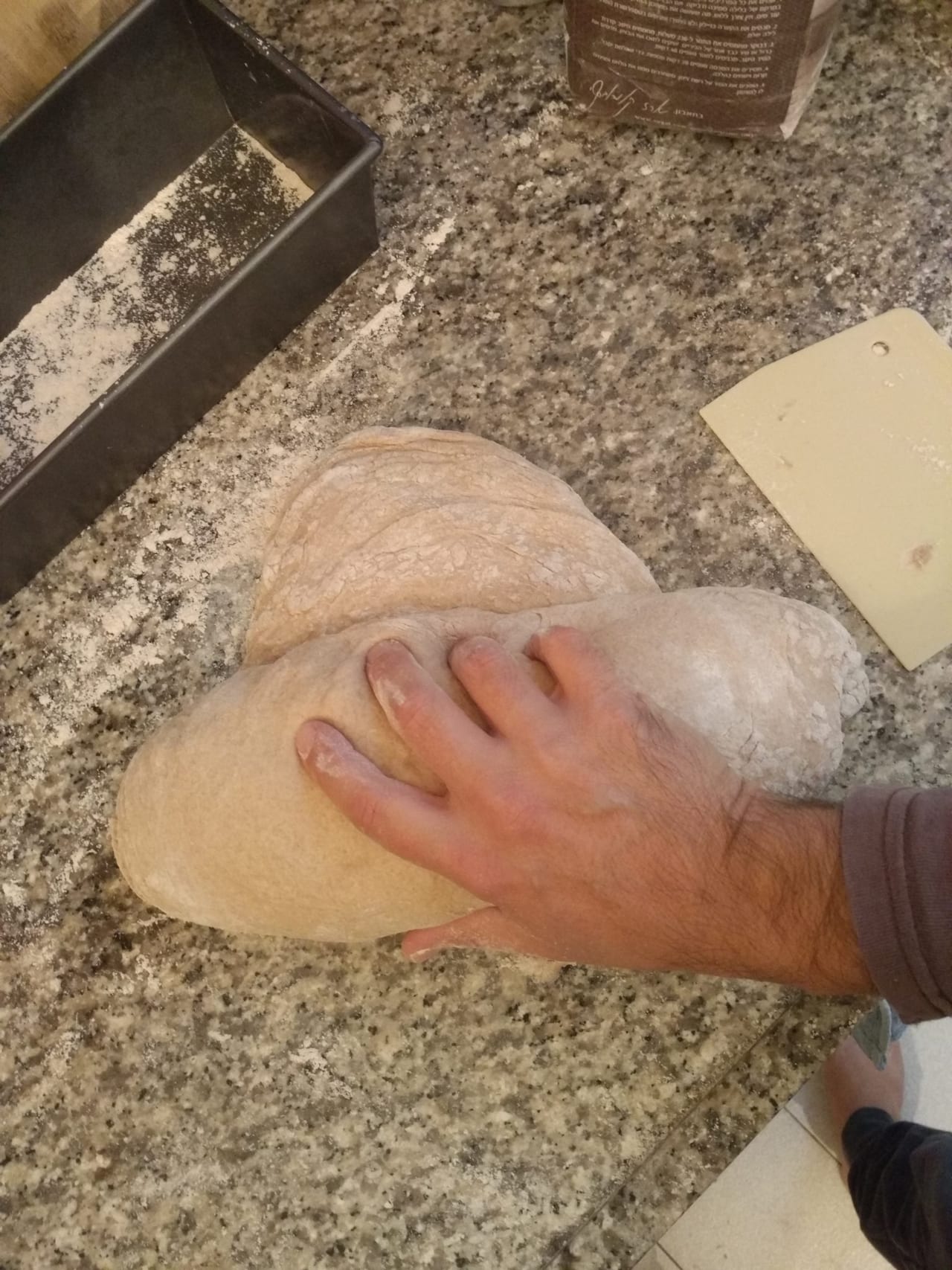
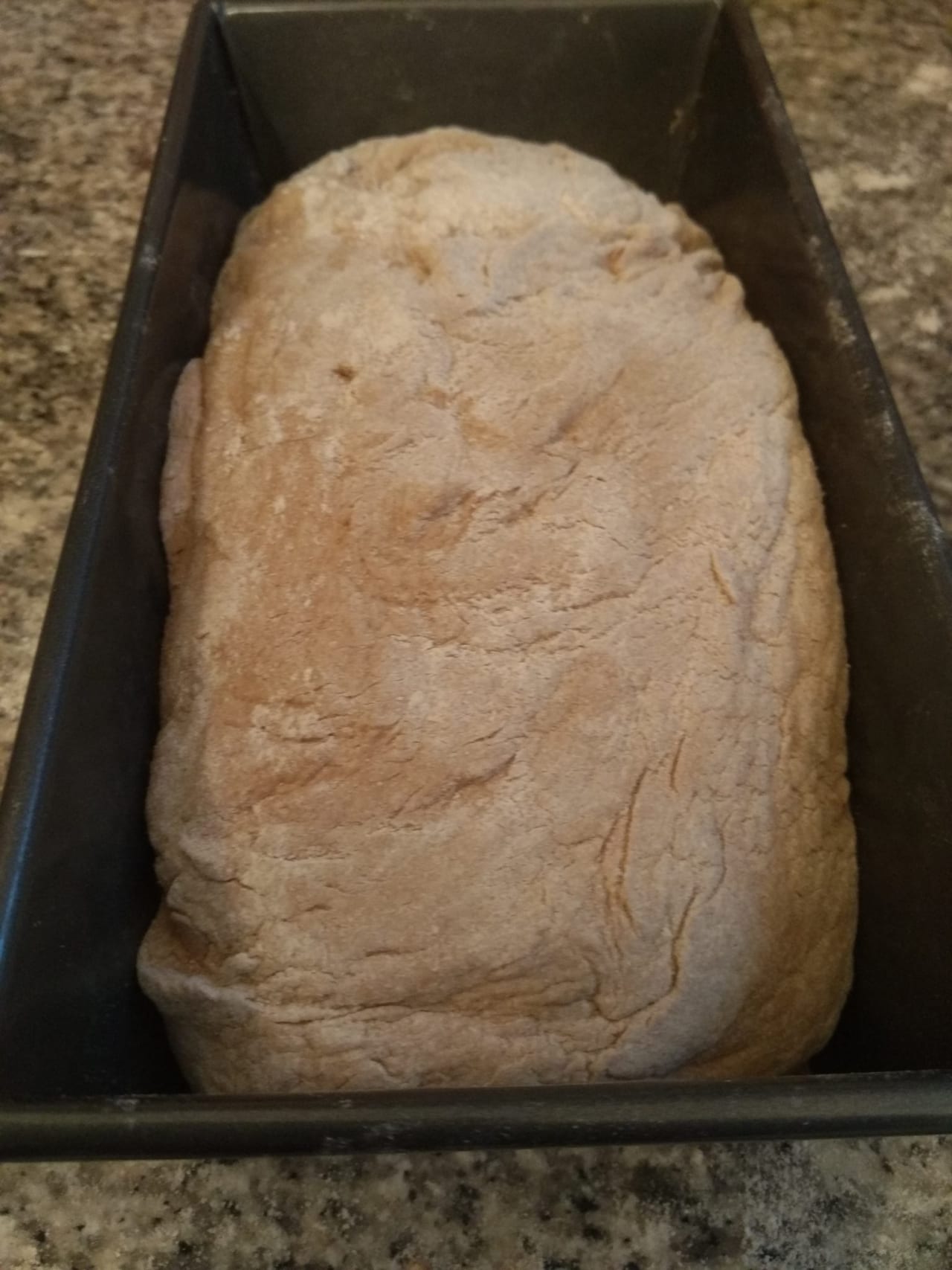
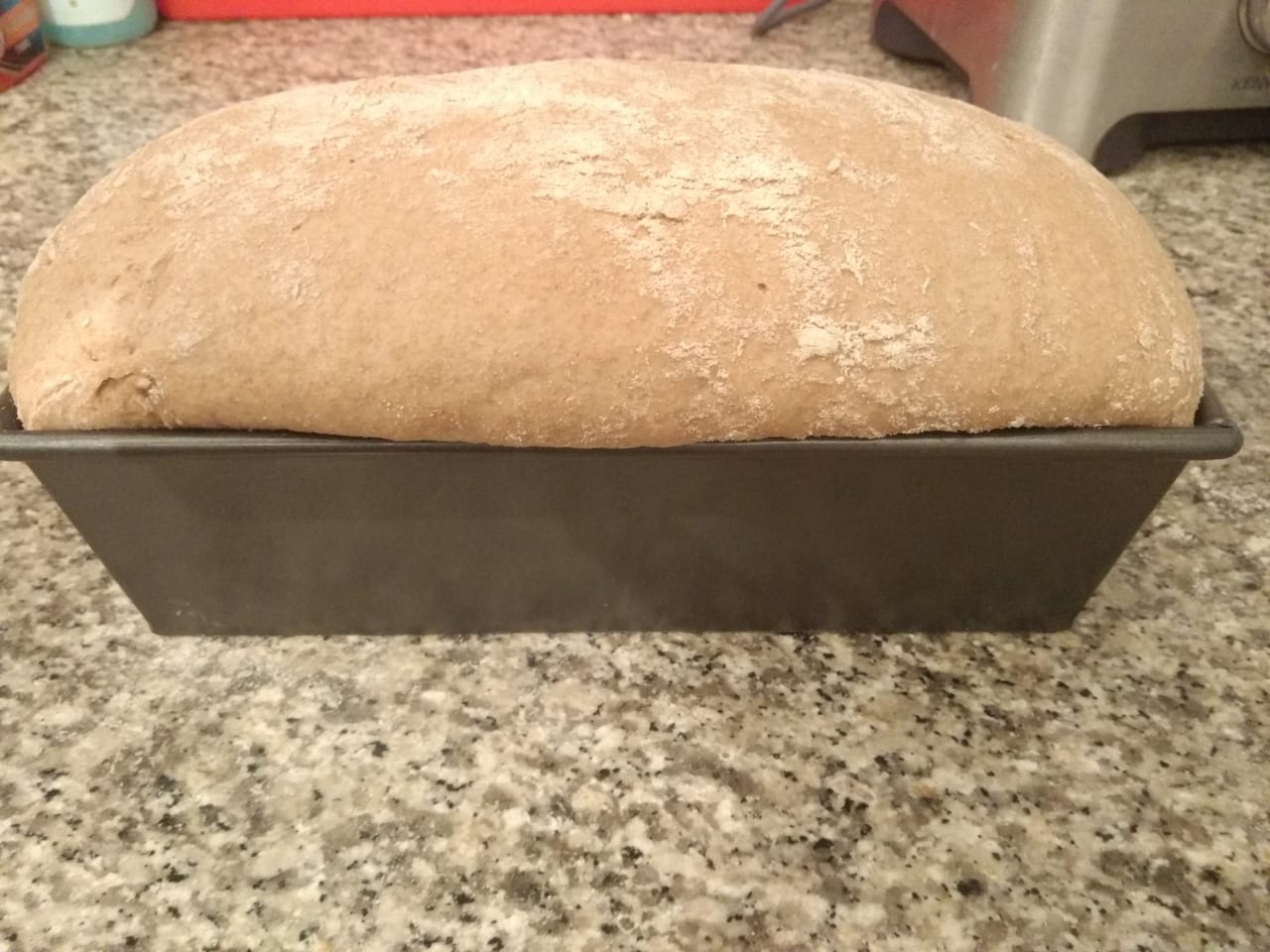
at this point you can chose if to divide the batter into 2 loafs or keep as one. spread a bit more flour on the dough and knead for 2 minutes, shape the dough into a loaf pressing it down and rolling it. place dough in a flour dusted pan, i used 8 1/2x4 1/2x2 1/2 inches (21 x 11 x 6 cm) but you can use whatever you want as long as the dough will not pass more than 3/4 of the height of the pan because it will rise. let the bread a final rest of 60-75 minutes
- 4
baking· 230c/446F
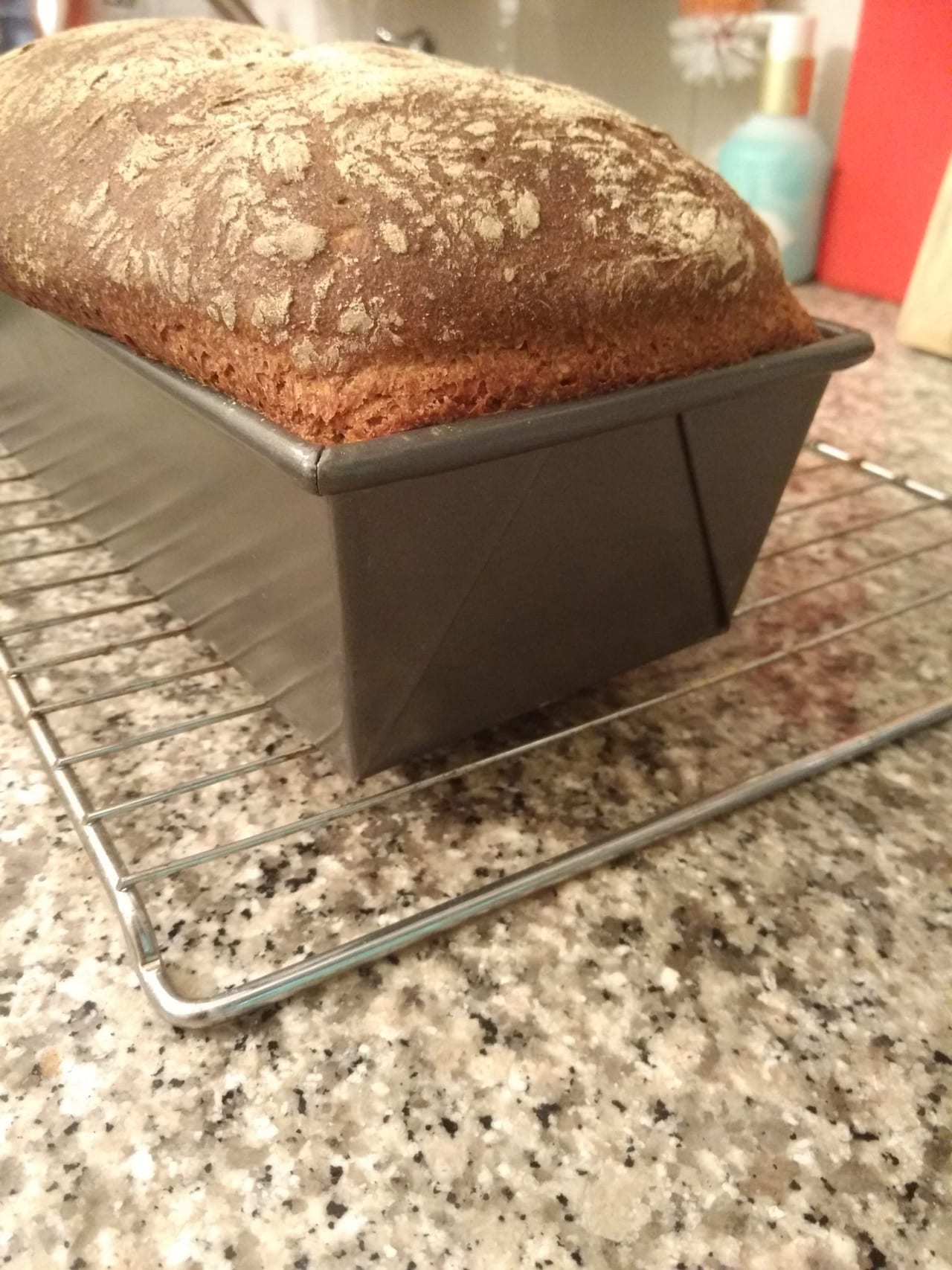
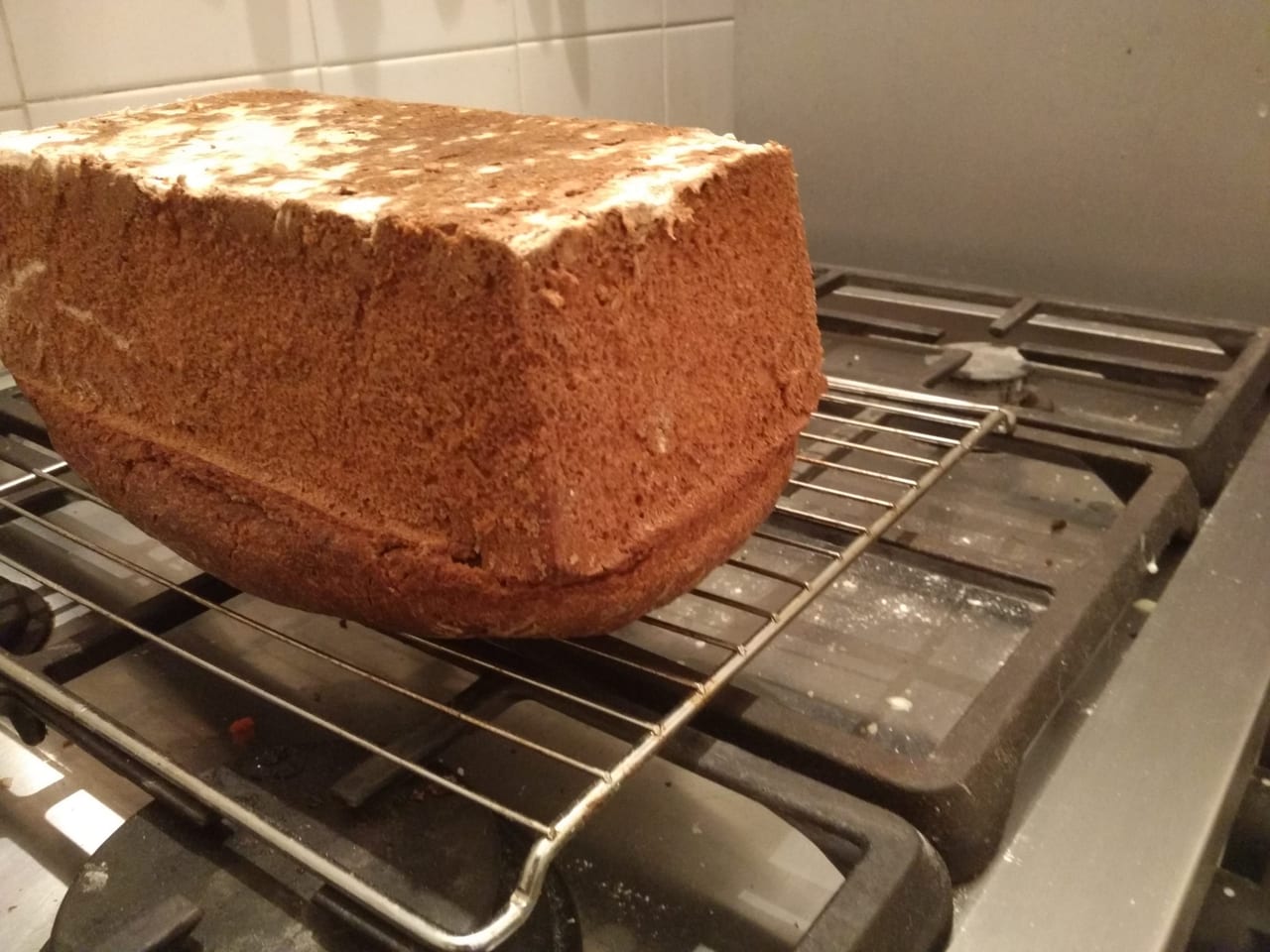
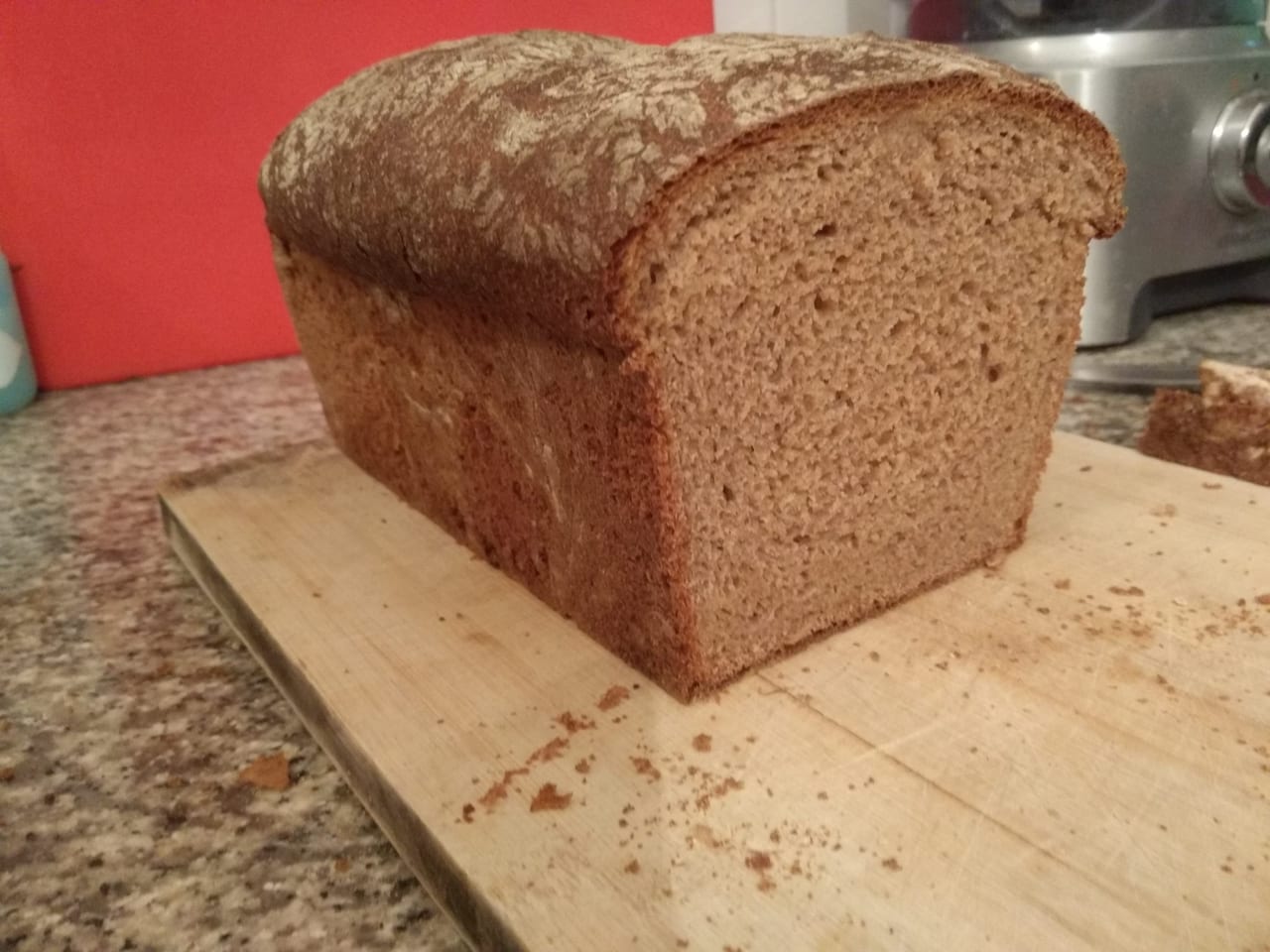
preheat oven to 230c/446F and place a bowl of water in the bottom of the oven. we are not scoring this bread, it has is indeed risen quite and we don't want it to lose its height. when the oven reach its temperature slide the loafs into the oven and remove the water. bake first 20 minutes on 230c/446F (do not open the door) and another 25 minutes on 210c/410F. cool bread on a rack upside down (we want it to cool down on its firm side not getting is all squishy) for at least 30 minutes before slicing.


Jaron Kimhi
Jaron Kimhi — self-taught home cook from Tel Aviv, writing and cooking every recipe on this site himself. 20+ years of tinkering in the kitchen, leaning toward slow cooking, classic technique, and honest ingredients.
More recipes by Jaron →


