Sweet tart dough (pâte sucrée)
Crispy crumbly sweet french pastry basic crust

The Butter
There are 2 options for butter temperature: room temperature or cold, similar to what we use in the savory tart dough. Each method has its advantages. With room temperature butter, the ingredients mix together quickly and thoroughly, making sure there are no lumps of butter in the dough. With cold butter, you're making the dough crumbly and crispy. It keeps the dough powdery like a cookie dough and prevents gluten from forming, thanks to the cold temperature of the butter. I'm more inclined toward the second approach. I like my pâte sucrée crispy, on the verge of breaking apart and melting in your mouth.Sweet tart dough - the sugar
So — granulated sugar or confectioners' sugar (powdered sugar)? That is the question. This is similar to the butter debate, so there's more than one answer. Making the dough with confectioners' sugar results in a subtler, smoother dough, while granulated sugar makes it more crumbly, closer to a cookie dough texture. Since I've already laid out my approach on the butter, I'll stick to the crispy texture — I want my dough super crispy, like a giant cookie.The flour
Regular all-purpose flour is fine for sweet tart dough and will get you a great crusty result. The important thing to keep in mind is that you don't want high-gluten flour like bread flour. In fact, the best flour to use is cake flour, which has the lowest gluten content of all. The reason we want low gluten in our pastry is that gluten is flexible, and we want exactly the opposite for our tarts — not elastic, but crusty, crunchy, and breaking apart just like a cookie crumble. I also use almond flour (ground blanched almonds). It adds depth of flavor and crunchiness to the tart base.Eggs in sweet tart dough
With all these dry ingredients, we need something to hold the dough together — and eggs are the best for the job. I use about 2 eggs for 3 tart crusts, meaning I add the minimum amount of eggs to the dough, keeping it as dry as possible. There are different variations — like adding one whole egg and 2 egg yolks, or 1 egg and some heavy cream. I've tried them all... in my opinion, keeping it simple results in the best tart dough.Kneading the sweet tart dough
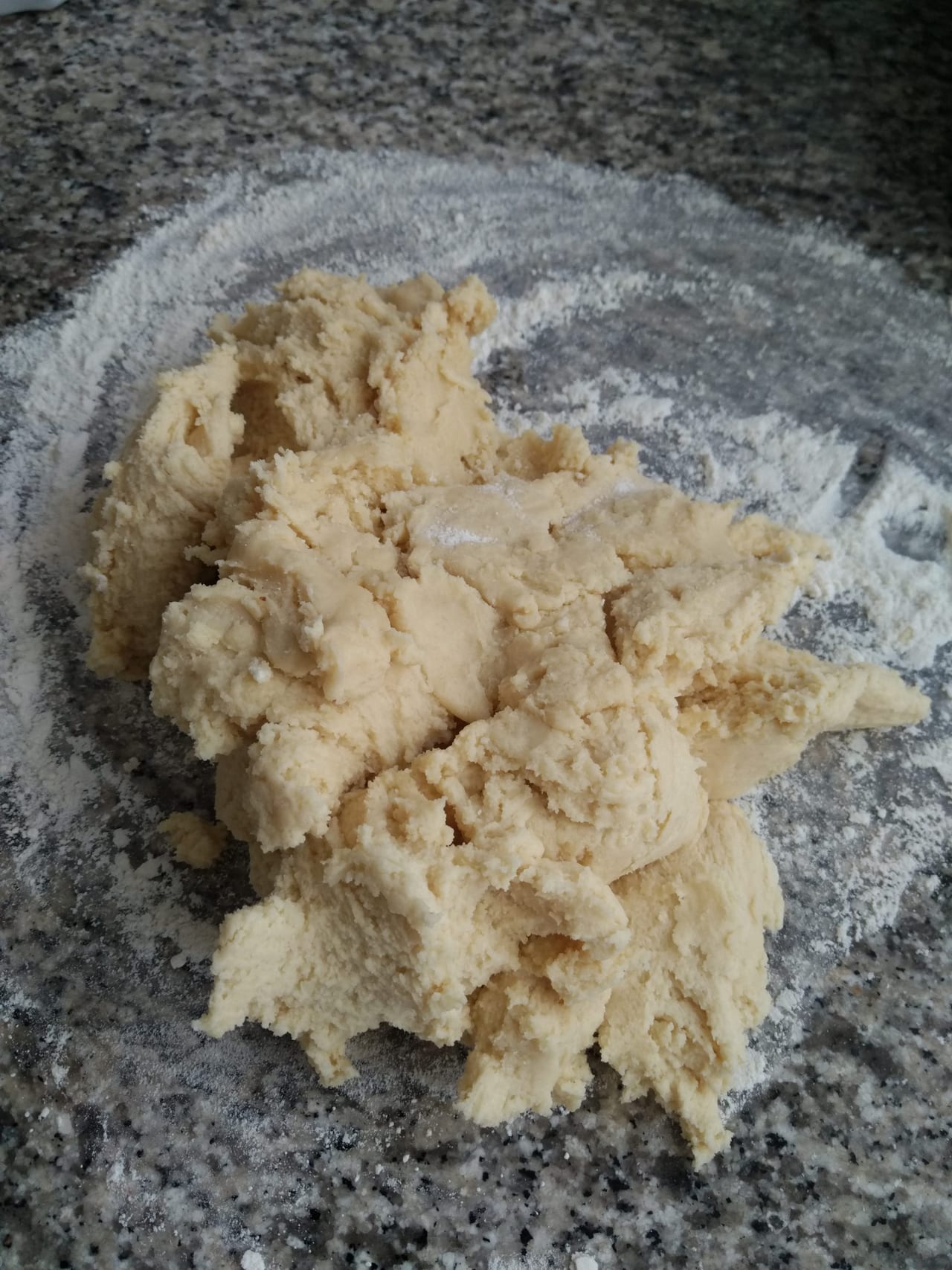
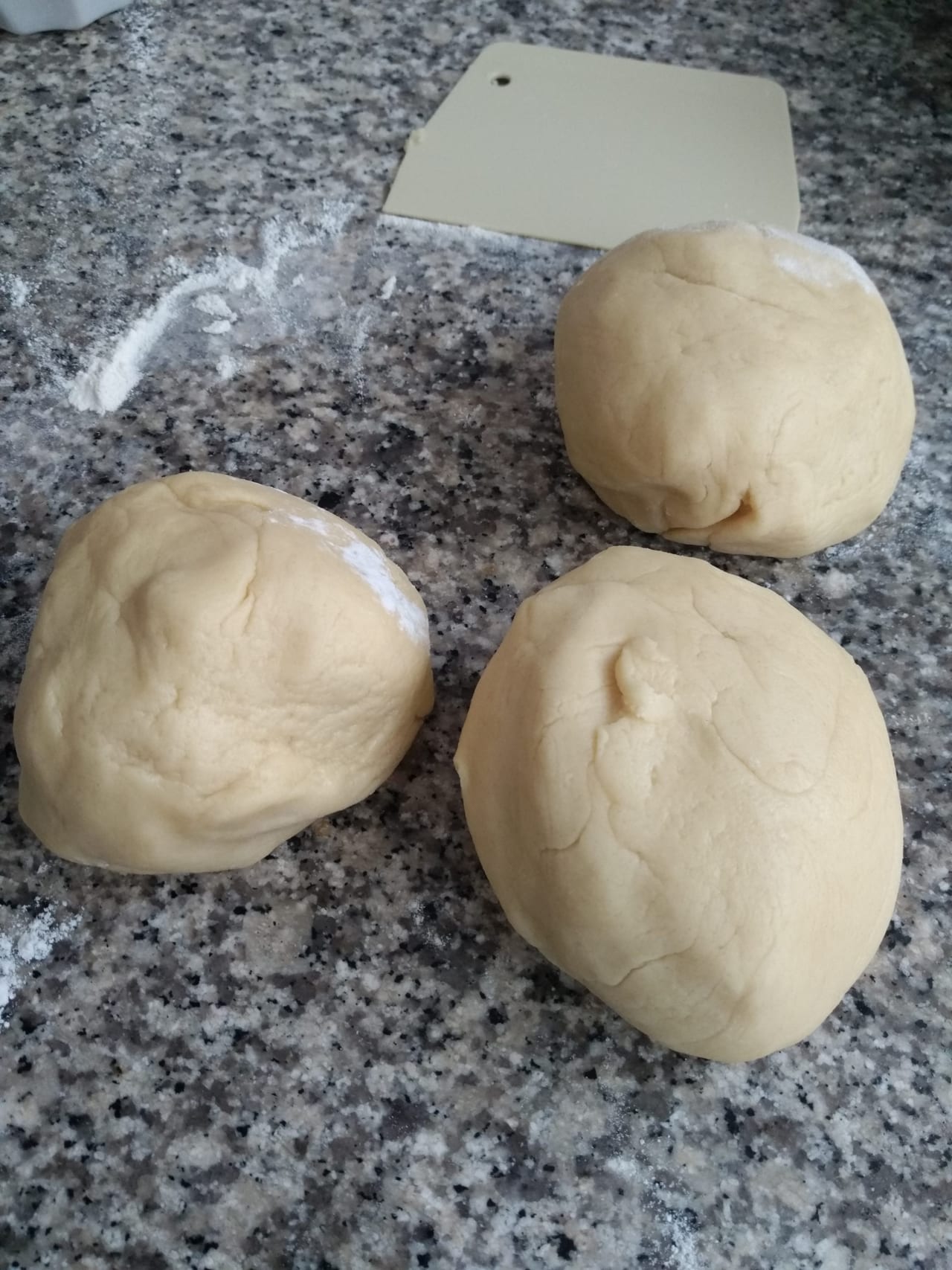
When it comes to kneading the dough, you want to minimize your actions and knead as little as possible. Once you've processed all the ingredients in the food processor (or stand mixer) and the dough is crumbly and forming into a ball shape, stop. Take the dough out onto a work surface and work it with your hands for just a few seconds — just enough to form it into one ball, no more than that. Again, this is because I don't want to activate the gluten in the dough. I want the pâte sucrée to stay at its lowest gluten level. At this stage, form an elongated shape and divide the dough into 3 equal portions for 3 tart crusts.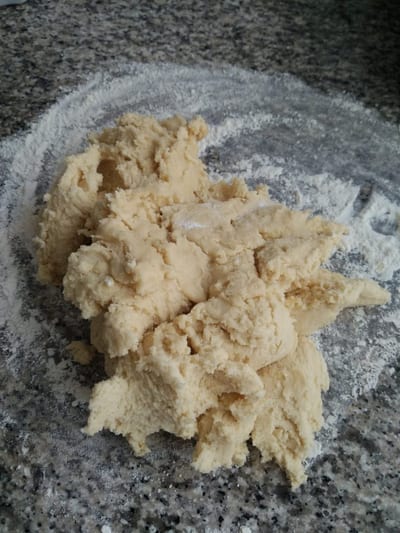
Storing the dough
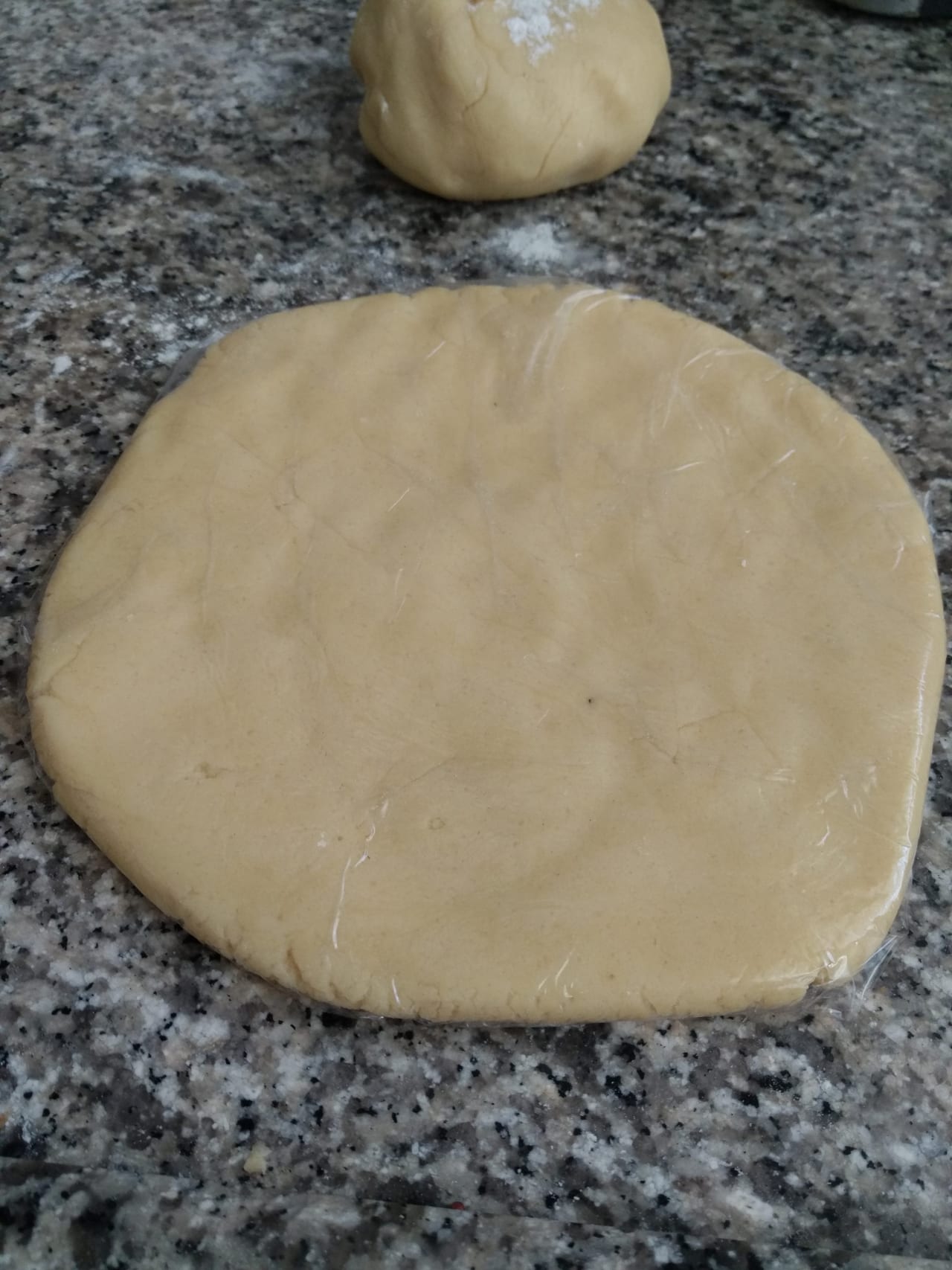
After separating the dough into equal portions, flatten each one into a disk shape and put it in the fridge for later use or in the freezer for storage. Rolling the dough isn't easy — after refrigerating it, rolling it out will be tough. To make it a bit easier and avoid the dough breaking apart, form a small disk shape before refrigerating it, so there's less flattening to do later and less tampering with the dough overall. The rest in the fridge is absolutely essential for the butter to stabilize. Working with the dough is a difficult job — it's sticky and it tears, so you need to work with it cold.Rolling and shaping the dough
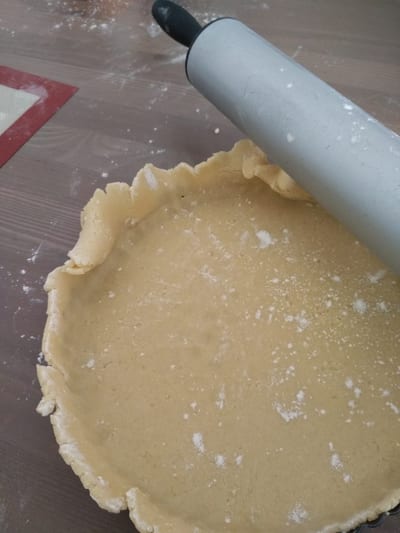
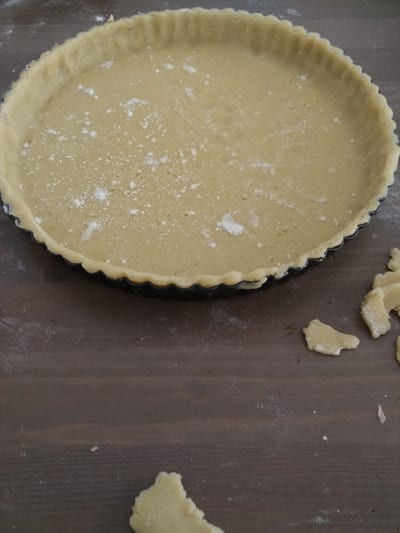
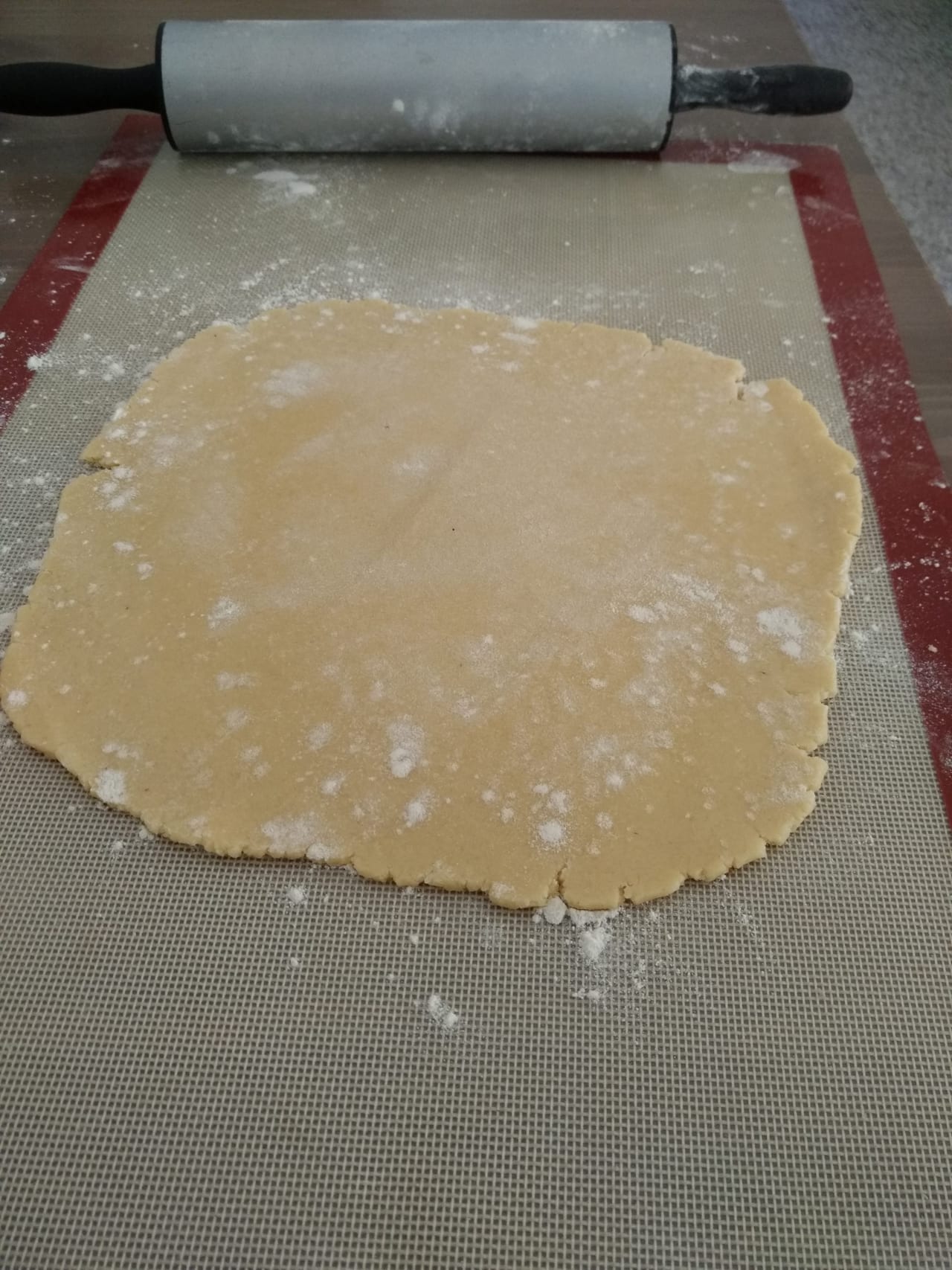
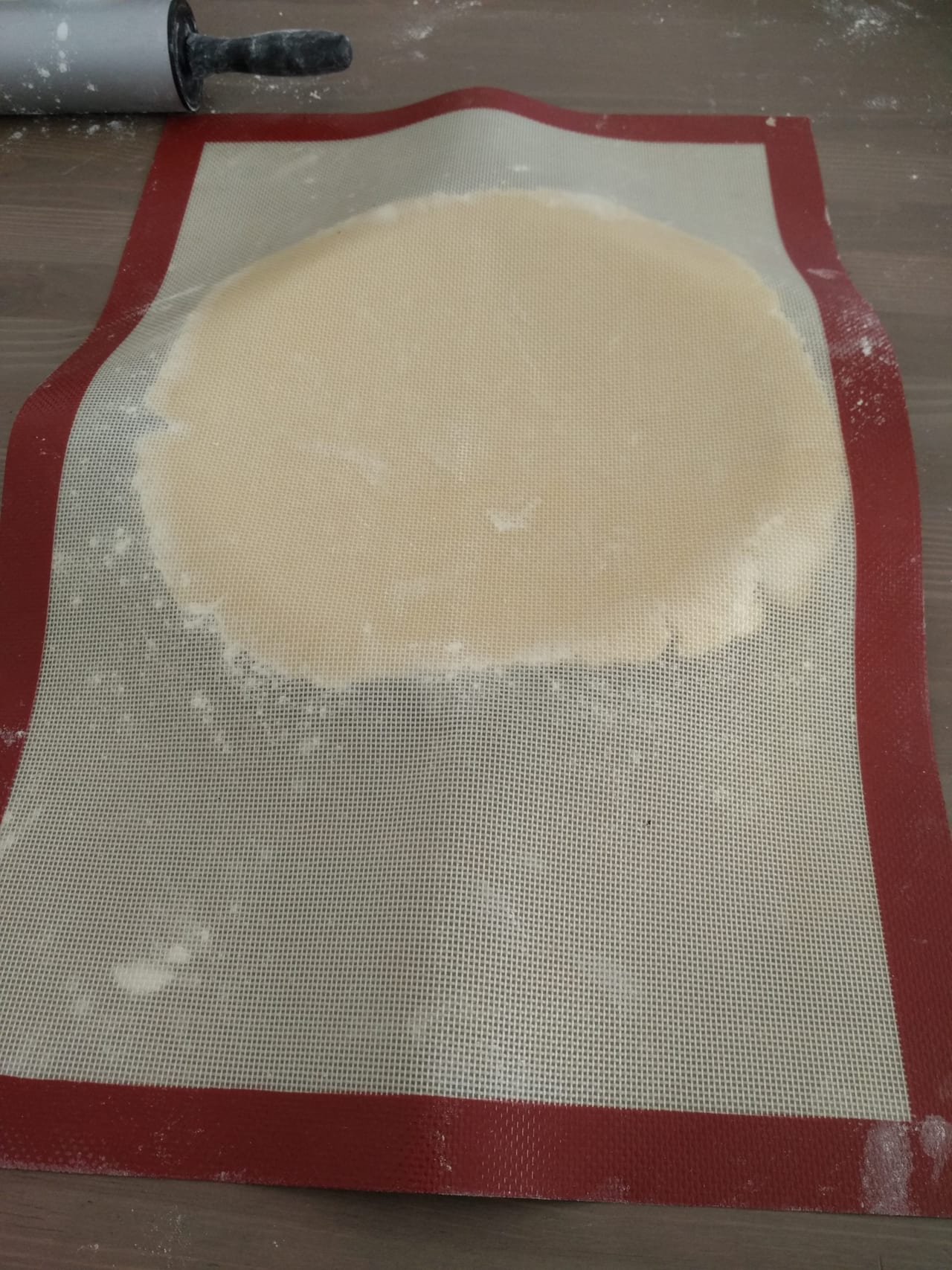
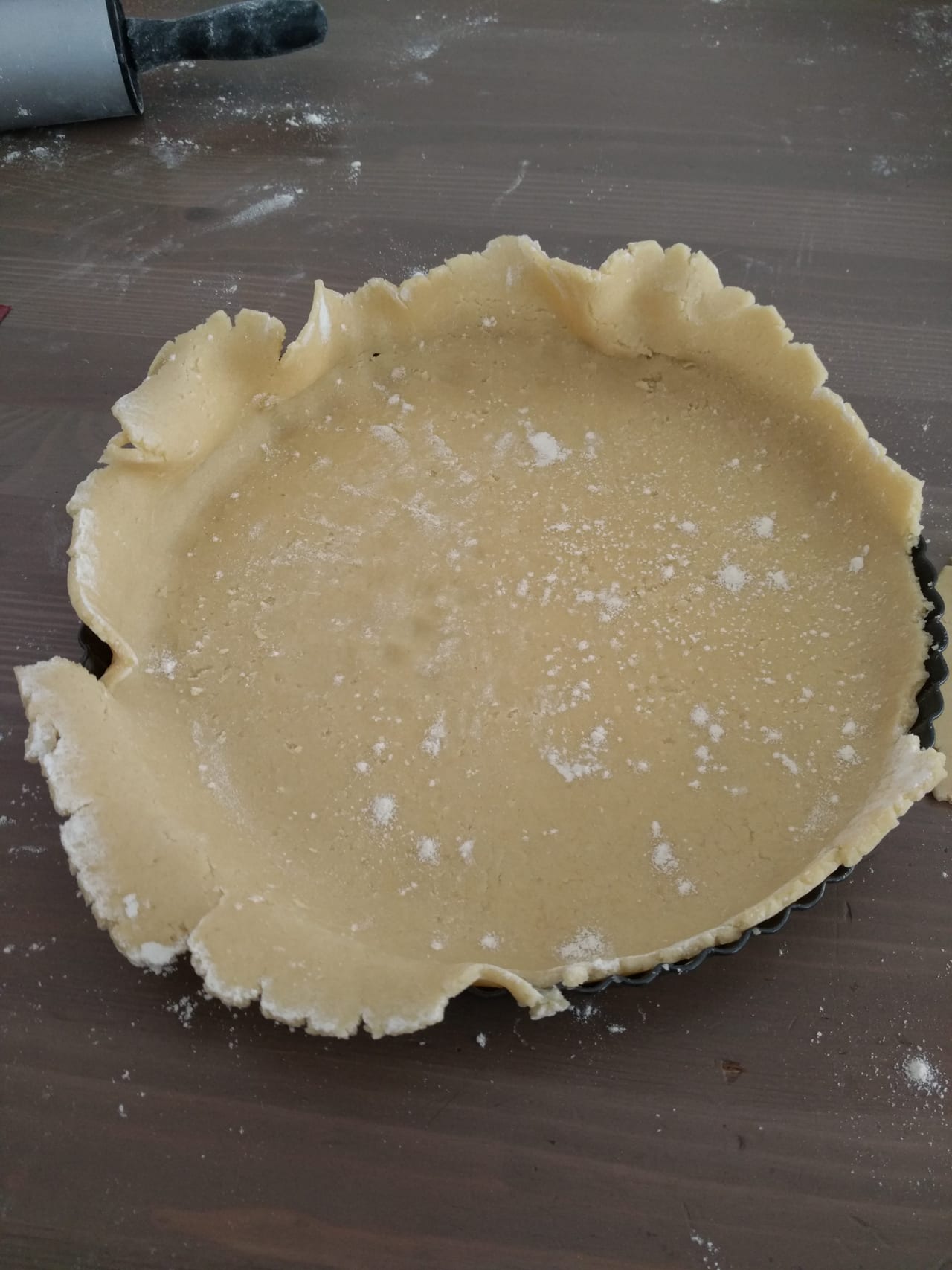
One of the key elements of working with this sticky, buttery dough is speed. From the moment the dough comes out of the fridge to the moment it's in the tart pan, it can't take more than a few minutes. You need the dough cold — that's the only way you'll be able to control it. So, prepare everything you need before getting the dough out of the fridge, then immediately start flattening it to fit the tart pan. Use flour if needed to prevent the dough from sticking to the rolling pin. There are a few ways to flip the dough: roll it onto the rolling pin and lay it over the tart pan, flip a silicone sheet onto the tart pan, or flatten the dough between two sheets of parchment paper and flip it onto the tart pan. All methods work. Once the dough is in the pan, press it firmly against the sides and fill in any torn spots — that's perfectly fine.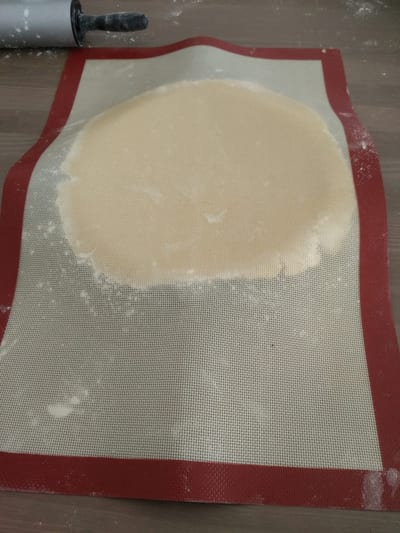
Baking the sweet tart dough
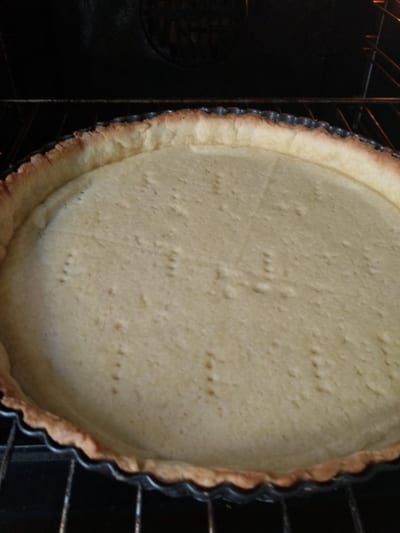
I want to bake a perfect crust that's flat and holds my filling. To get there, the tart base needs to be free of dough bubbles and curves. Here's what we do:- Make small holes with a fork in the tart base, allowing steam to be released and preventing the tart from lifting.
- Rest the tart in the fridge for another hour to stabilize the butter so the tart keeps its shape in the oven.
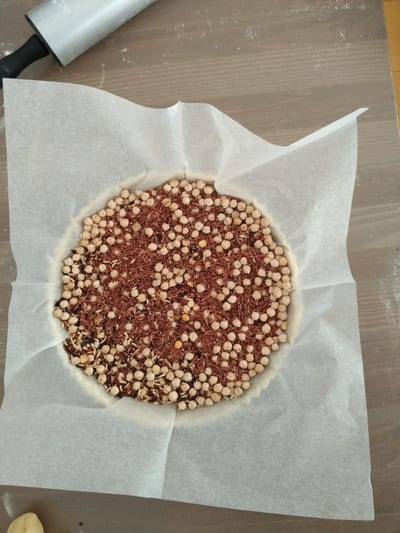
- Apply pressure to the tart surface with "blind baking" — place weights on the tart to support the sides and press down the bottom. We usually use different kinds of grains for this: beans, chickpeas, rice, etc. Whatever you have works.
Method
- 1
making the basic dough· 10 minutes
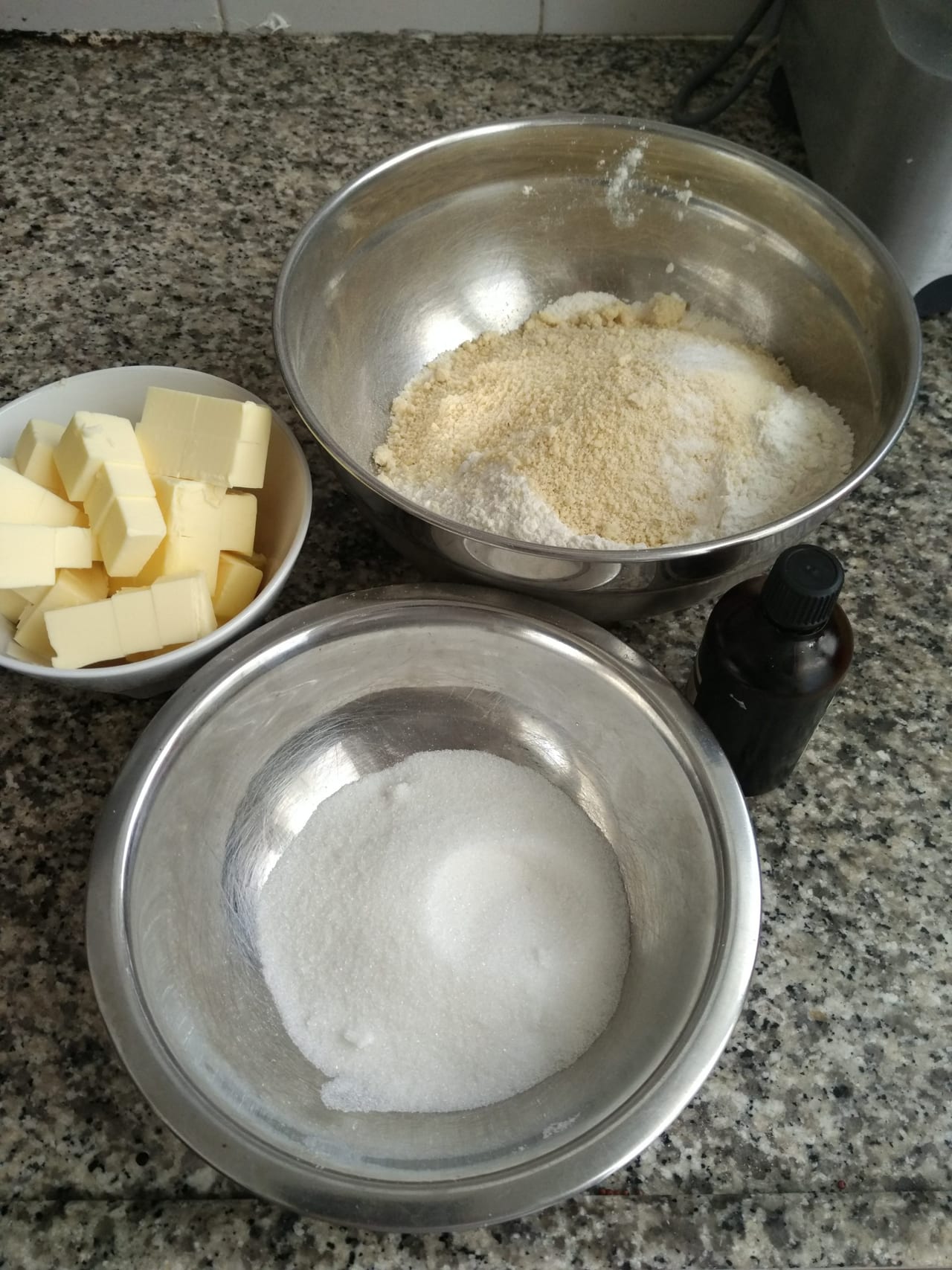
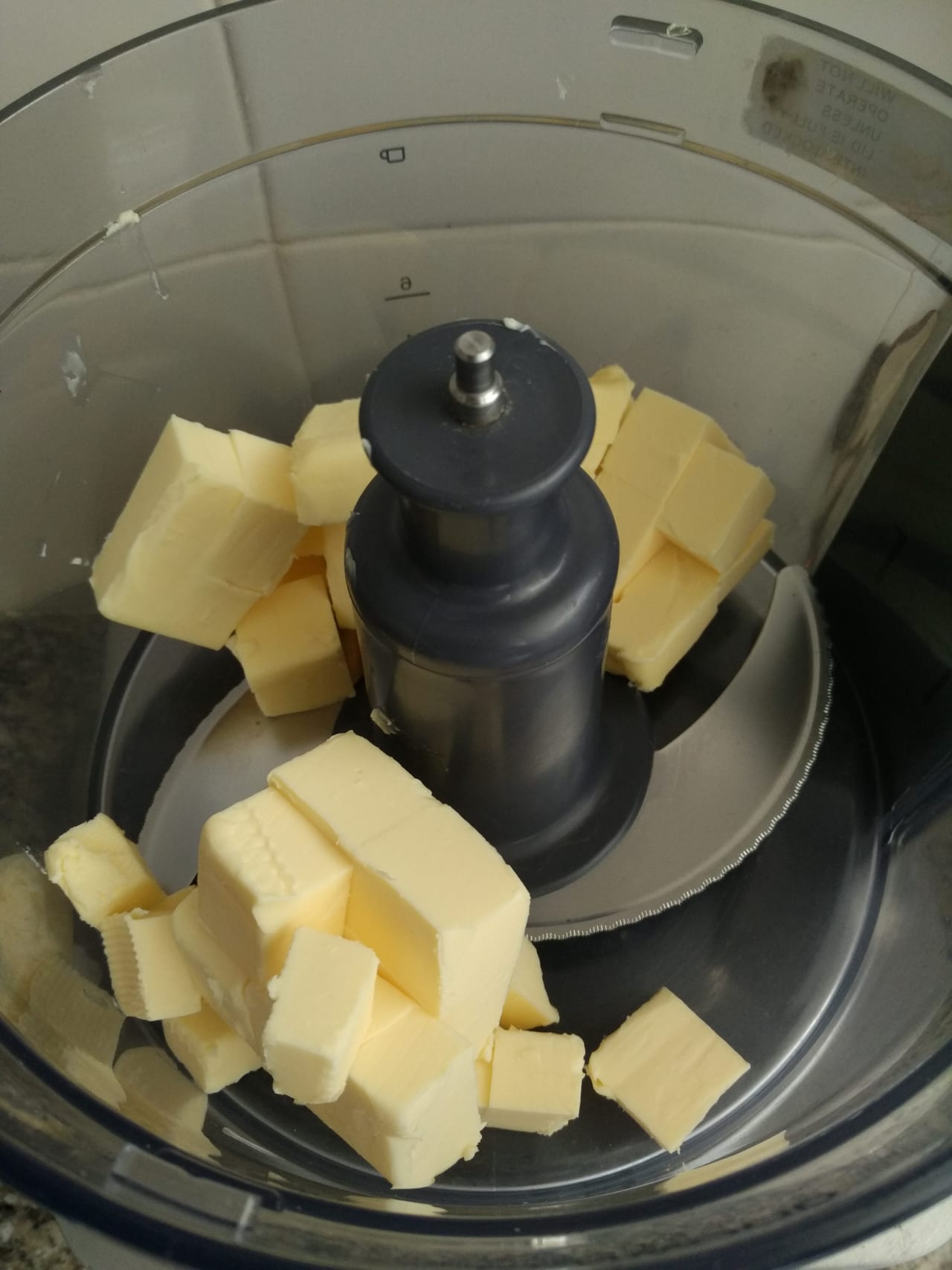
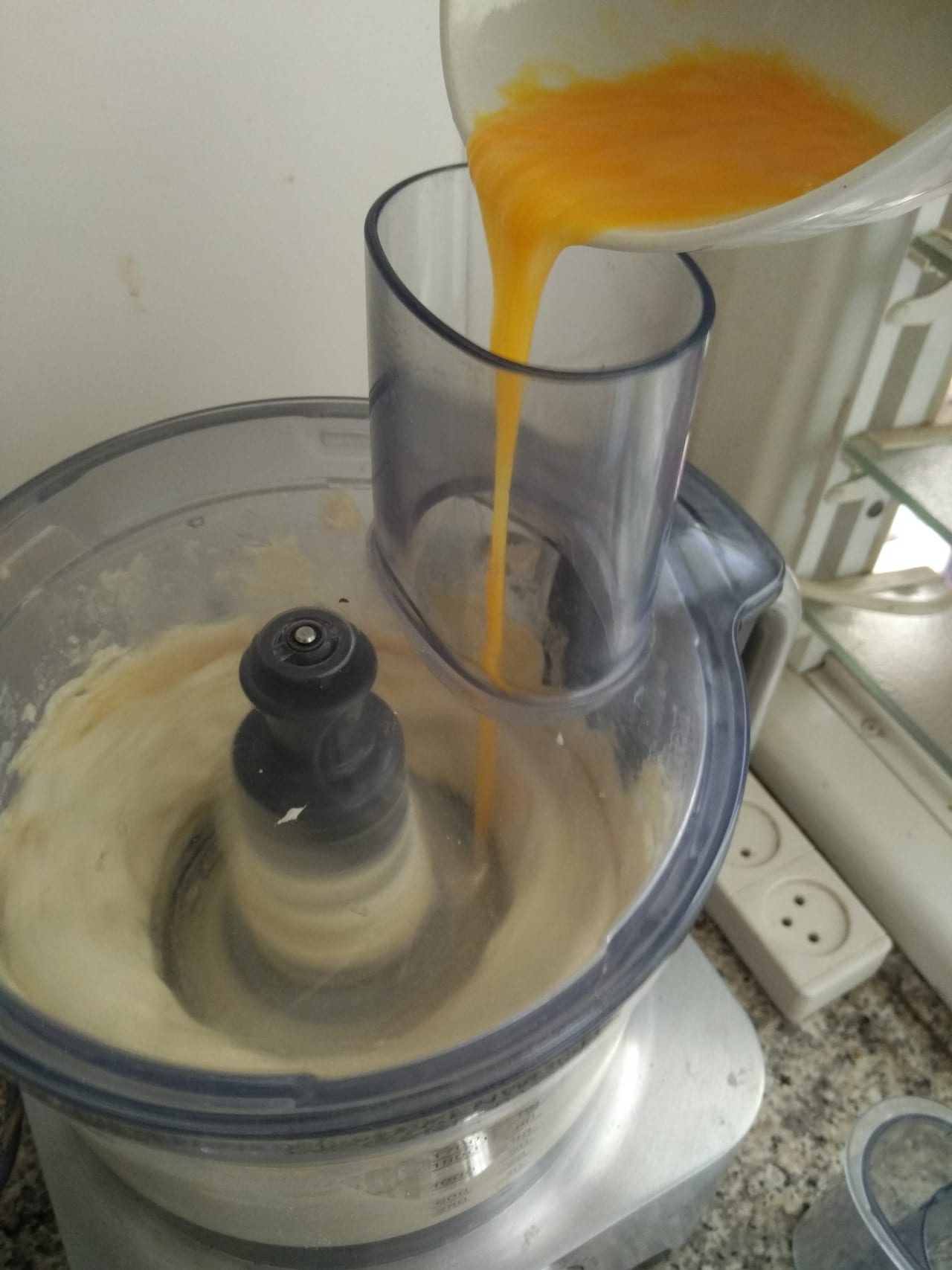
Place the butter and the sugar in a food processor and process until you get a smooth paste, scrape the bowl if needed. Add the ground almonds, salt and vanilla and process until smooth. Pour the eggs into the bowl and process for a few more seconds until combined. Add the flour and pulse until the dough is just starting to come together, we don’t want to overwork the dough. Pour the dough mix onto a floured counter and form into a log shape. divide into 3 equal parts and flatten each part into a disk shape. Cover each disk with a plastic wrap. place 1 disk in the fridge (for a minimum of 4 hours), place the other two disks in the freezer for future use.
- 2
shaping the tart crust· 7 minutes
Butter a 26cm/ 10-inch tart pan Take the dough out of the fridge and flatten it with your rolling pin into a 1 inch tart base about 2 inch wider than the pan size diameter. Flip the crust on the tart pan and tighten the dough in the bottom and sides. Remove excess dough and fill in the empty spots with the crust leftovers. Place the dough back in the fridge for another rest of minimum 1 hour, it can stay overnight as well.
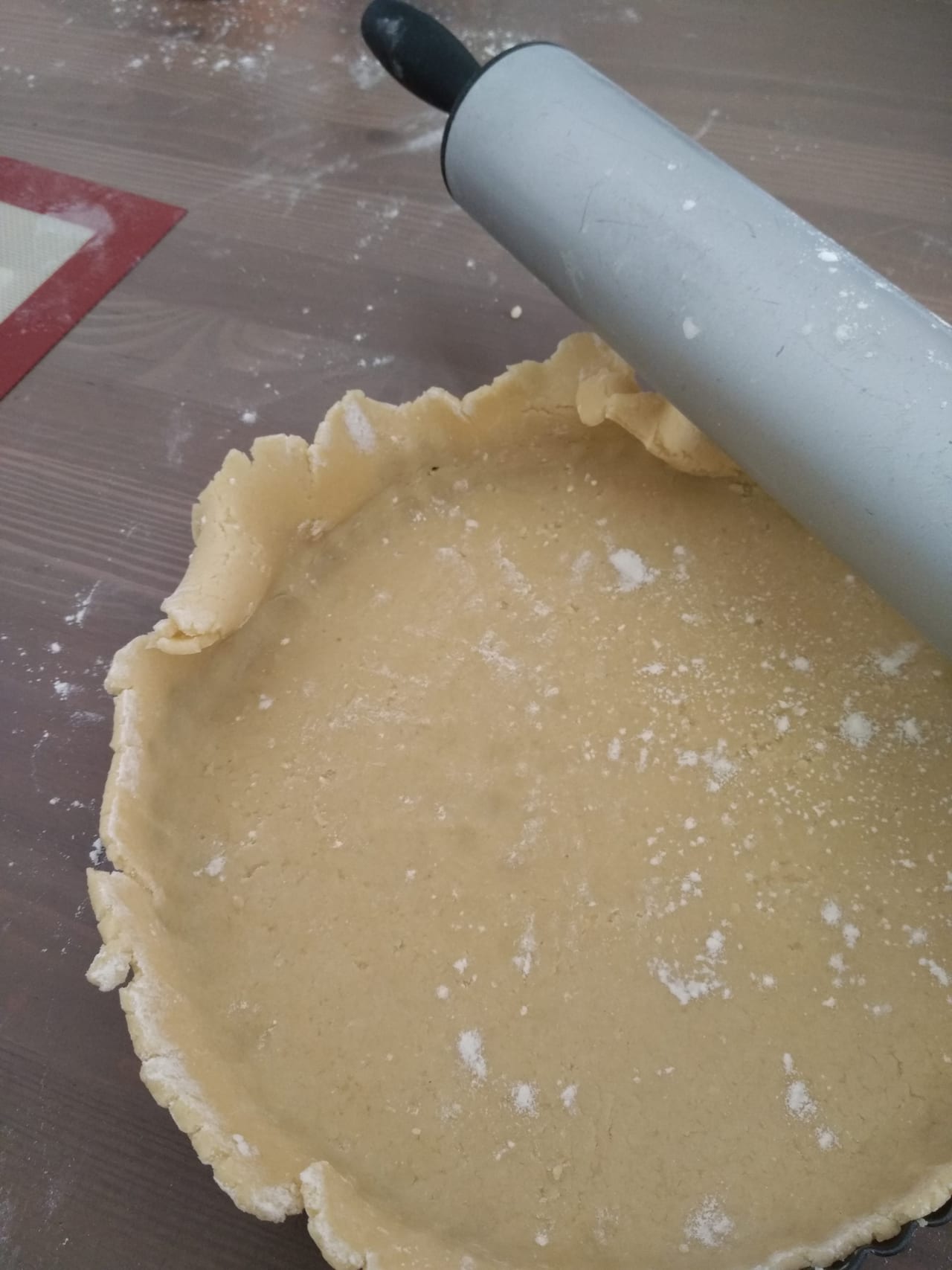
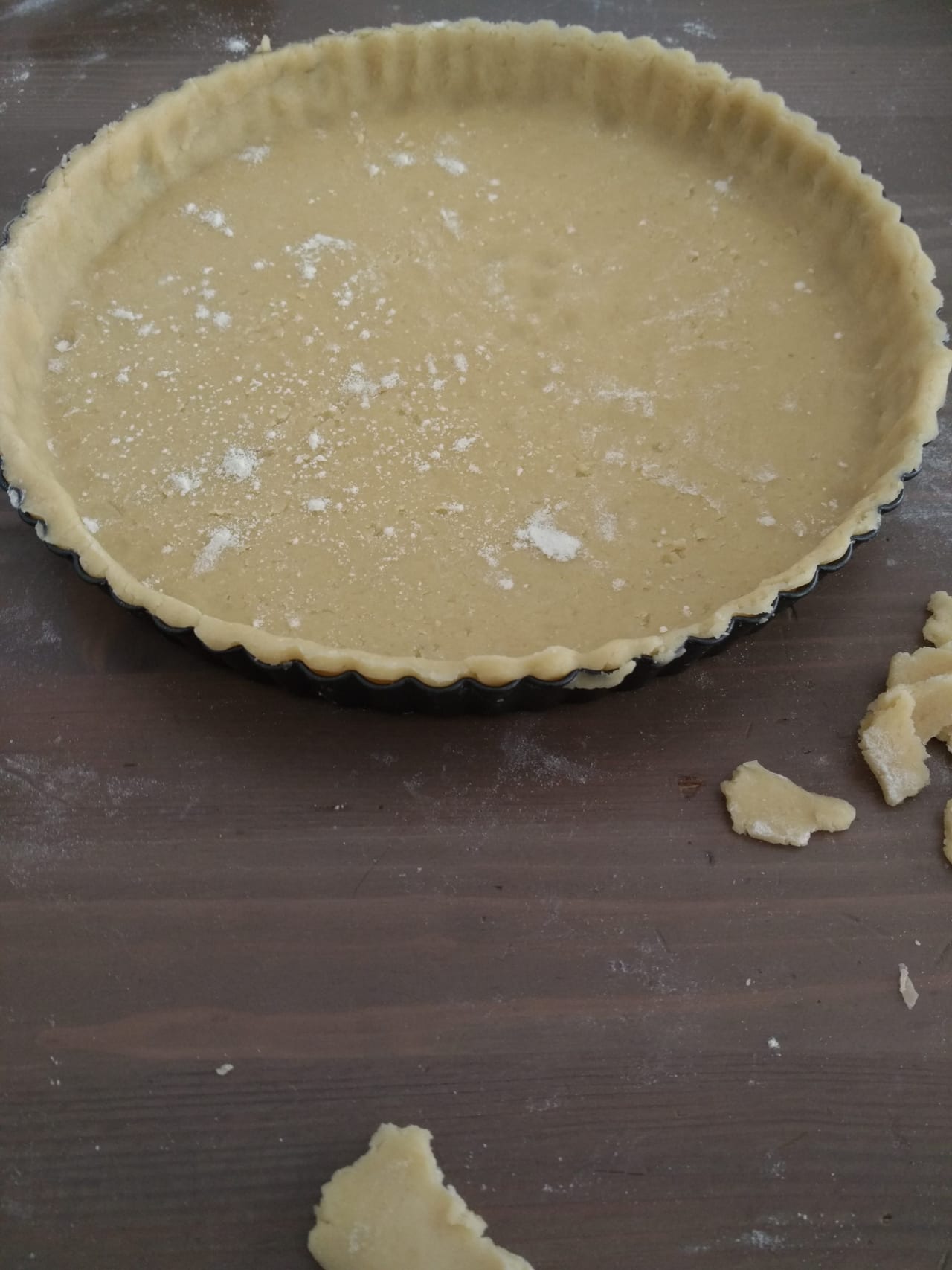
- 3
baking the Tart· 40 minutes
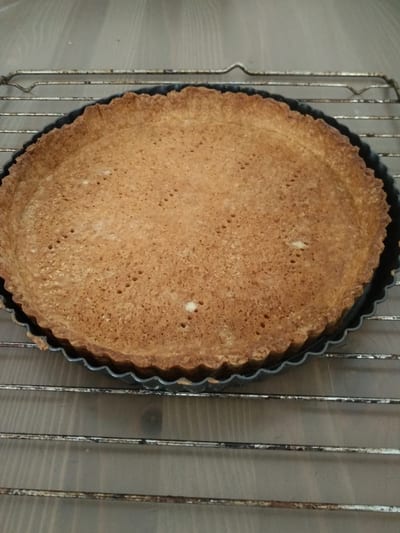
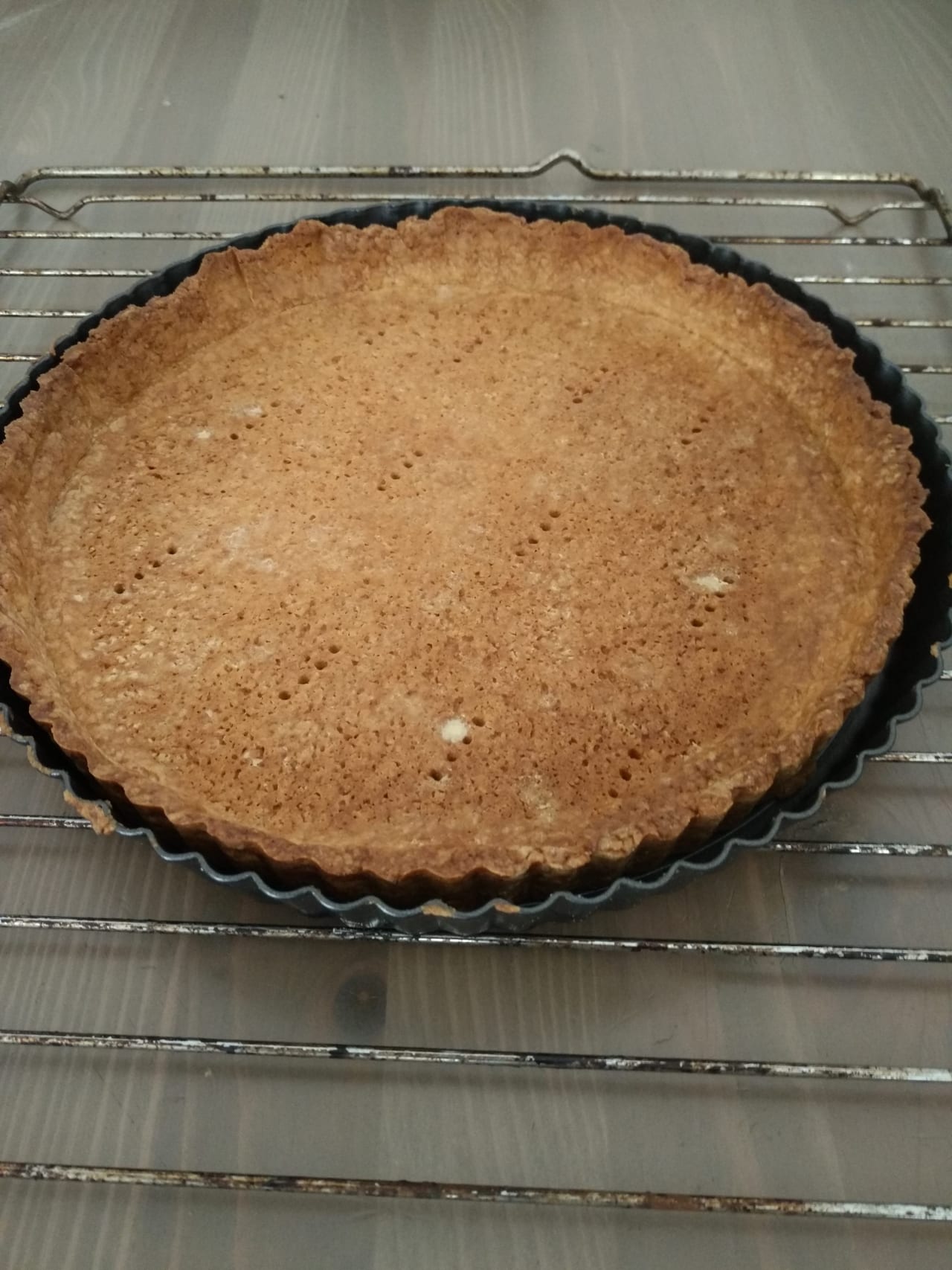
Preheat the oven to 180°c/350°F. Take the tart out of the fridge, lay a parchment paper on it and place some kind of weight. I usually use grains like chickpeas, beans and rice, this is called "blind baking" and we will bake the tart this way for the first 25 minutes. Place the sweet tart dough on the middle rack in oven and bake for 25 minutes. Reduce temperature to 160°c/320°F Remove the weights and bake on the top rack for another 15 minutes until the crust is golden brown.
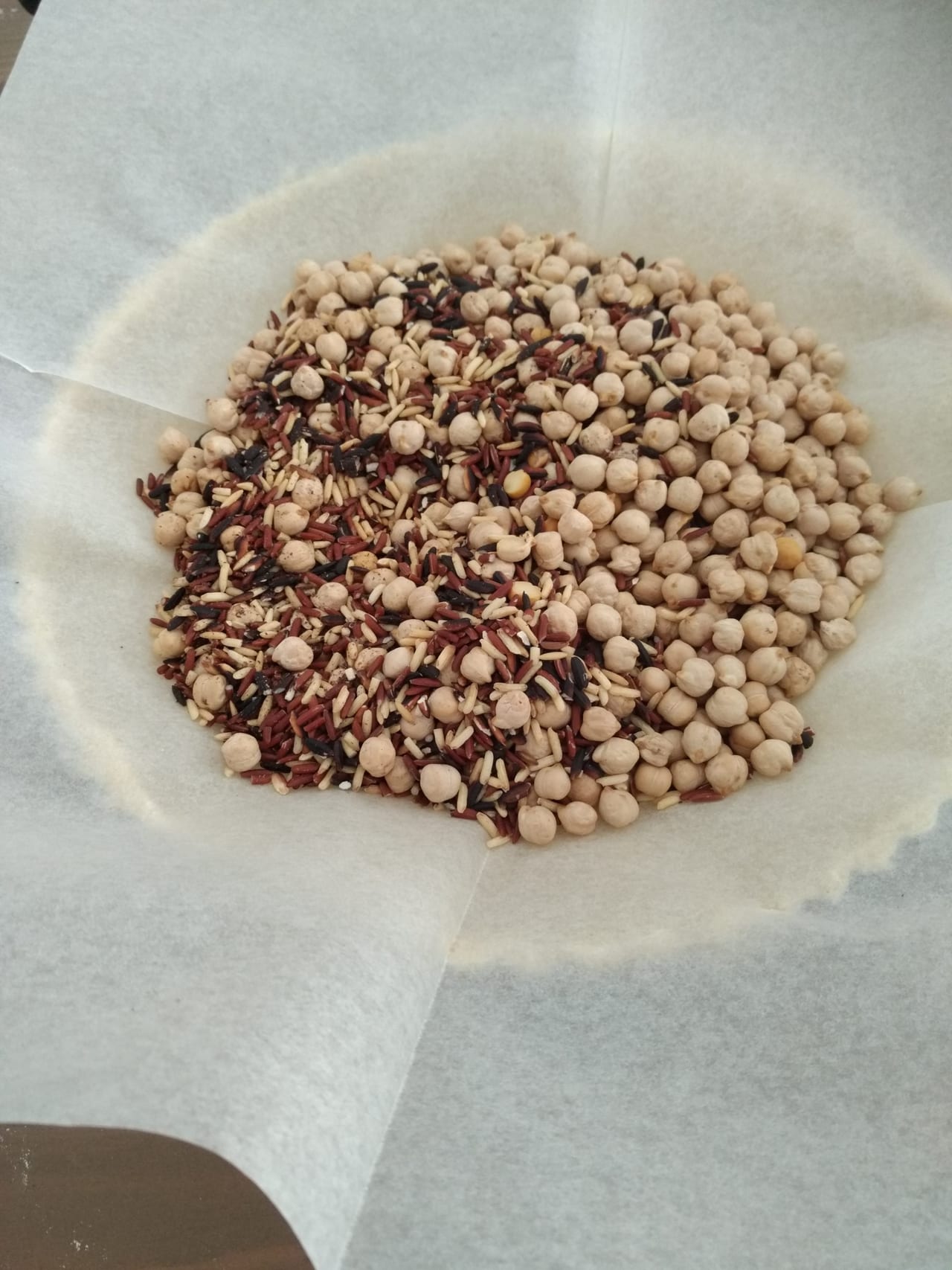
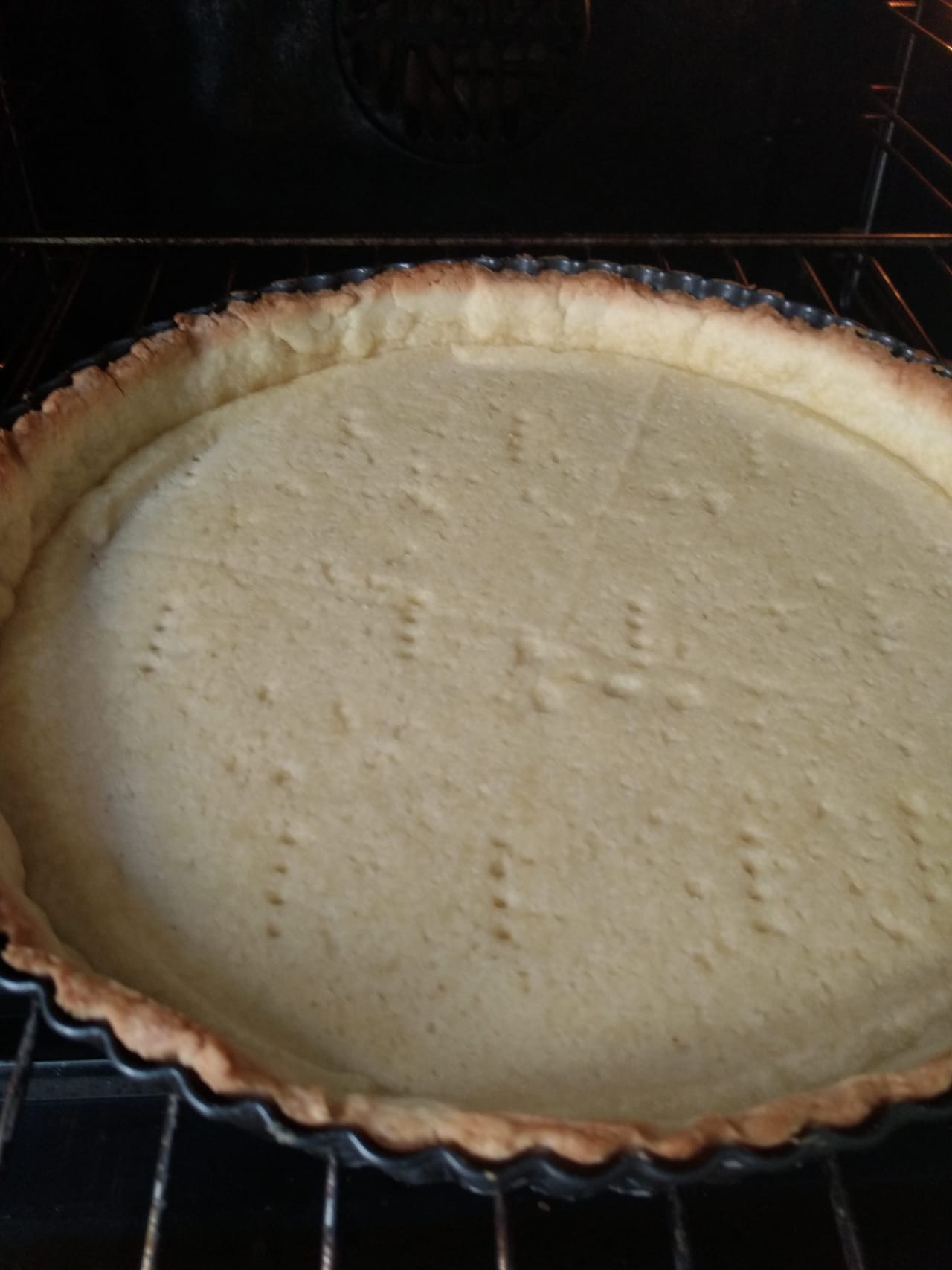


Jaron Kimhi
Jaron Kimhi — self-taught home cook from Tel Aviv, writing and cooking every recipe on this site himself. 20+ years of tinkering in the kitchen, leaning toward slow cooking, classic technique, and honest ingredients.
More recipes by Jaron →


