Polenta - the basics
Soft and silky Italian Cornmeal porridge

Polenta variations
There are a few kinds of polenta. There's the stone-ground kind, which produces an irregular grit size that can vary from tiny, almost powdery grits to big ones. The second is the consistent grind, which produces a uniform, usually medium-small grit size. I use the consistent size grits — I like the smooth texture.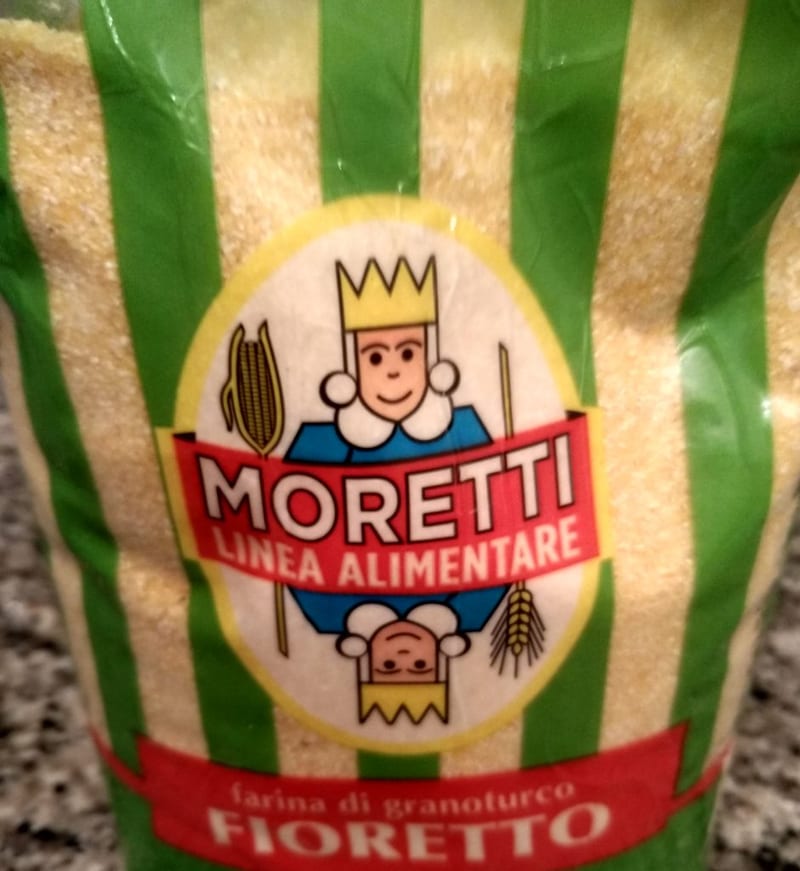
The Liquids
When it comes to the liquids used for polenta, there are a few variations depending on personal taste. Popular options are vegetable stock or chicken stock — both add deep flavors to the cornmeal porridge. In some cases the cornmeal is cooked in milk. This creates a richer porridge that's mild in taste with a silky-smooth texture, but it also makes the dish very heavy. My personal preference is plain water. It's the corn's natural flavor we want to shine — not any external additions pulling our attention away from the original taste of the corn.Let's get cooking
When cooking polenta, we need to stick to a basic water-to-cornmeal ratio. My preference is a high amount of water. It makes for a longer cook, but produces much smoother, softer grains. I use a 5:1 ratio — 5 cups of water to 1 cup of polenta. A 4:1 ratio is also popular and works well, but I wouldn't go lower than 4:1. It'll give you a dry corn porridge. We start by adding the polenta to the water. No need to wait for the water to boil like many recipes insist — it makes no difference. Just add the corn grits to cold water and gradually heat it up.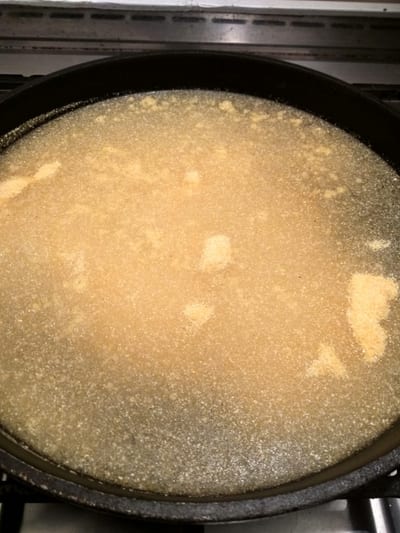
Time frame
The cooking is pretty simple. When the water reaches simmering point after a few minutes, reduce the heat to low — from that point it doesn't need much attention. That's why the time frame can vary from 50 minutes to an hour and a half. On the lowest heat, the polenta is just slowly absorbing water into the grits.Cooking time comes down to desired consistency. If you want a runnier polenta, pull it after 1 hour. If you want a thicker porridge, leave it for an hour and a half.
Variation in polenta making methods
When you step outside of the traditional Italian method, the variations are vast and produce a pretty good outcome too — every chef has their own way of making this dish. Polenta can be made similarly to rice: bring the pot of polenta and water to a simmer, cook on low heat for 30 minutes, then remove from heat and cover with a lid for another 30 minutes. This way the grains get soft with minimum effort. On Serious Eats, Daniel Gritzer proposes a way of shortening the cooking time by soaking the cornmeal grits in water for a few hours. In this method, the cornmeal absorbs the liquid and the grains puff up a bit, cutting cooking time by half. Cook's Illustrated published a microwave version that combines cornmeal and water and cooks it in the microwave for 12 minutes. Not my cup of tea — but again, if you're in a hurry... So, as we've seen, making polenta isn't a big deal as long as we stick to the basic proportions, the time frame, and pick a good cornmeal brand.Method
- 1
Making the cornmeal porridge· 1 -1.5 hours
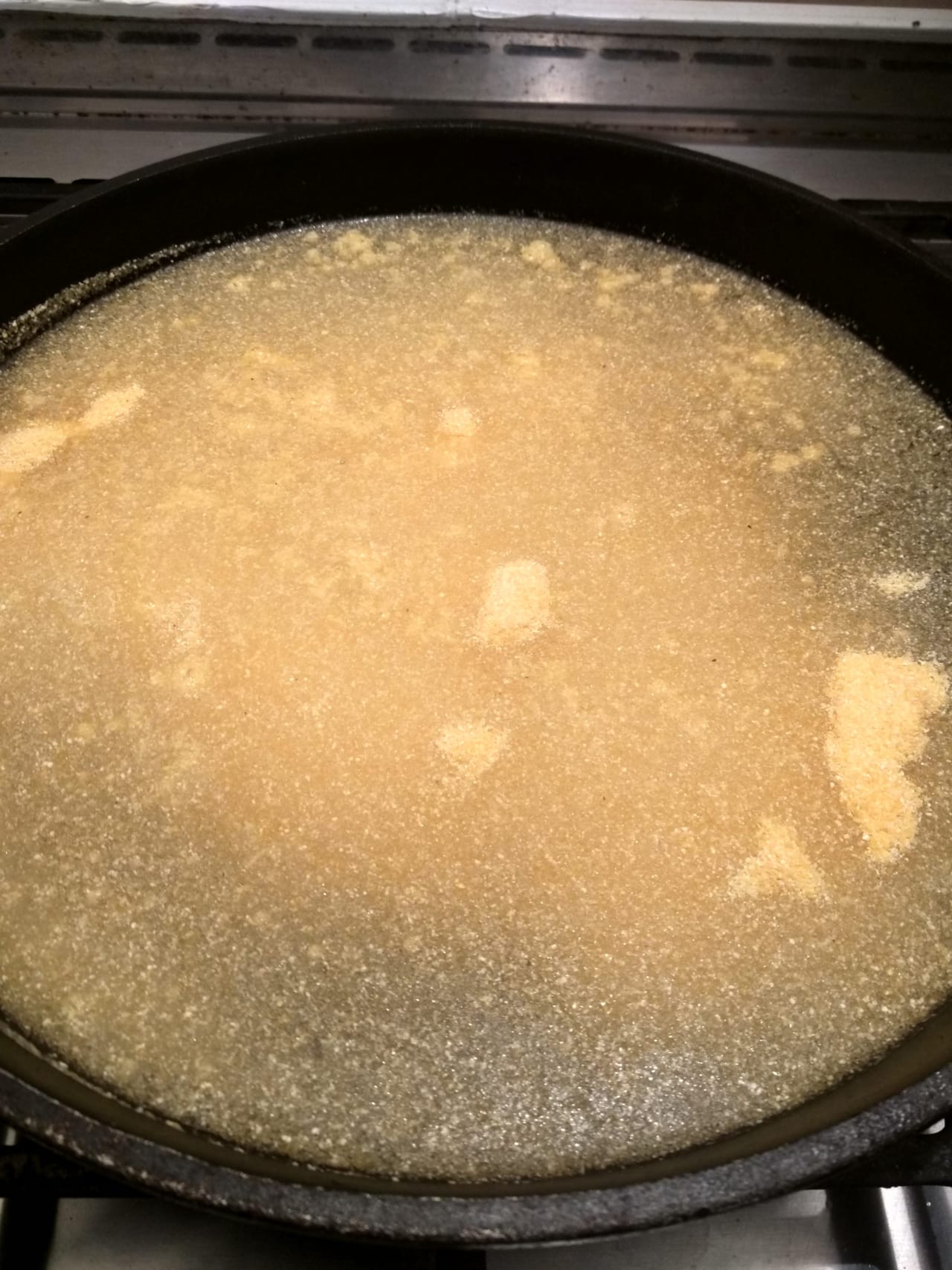
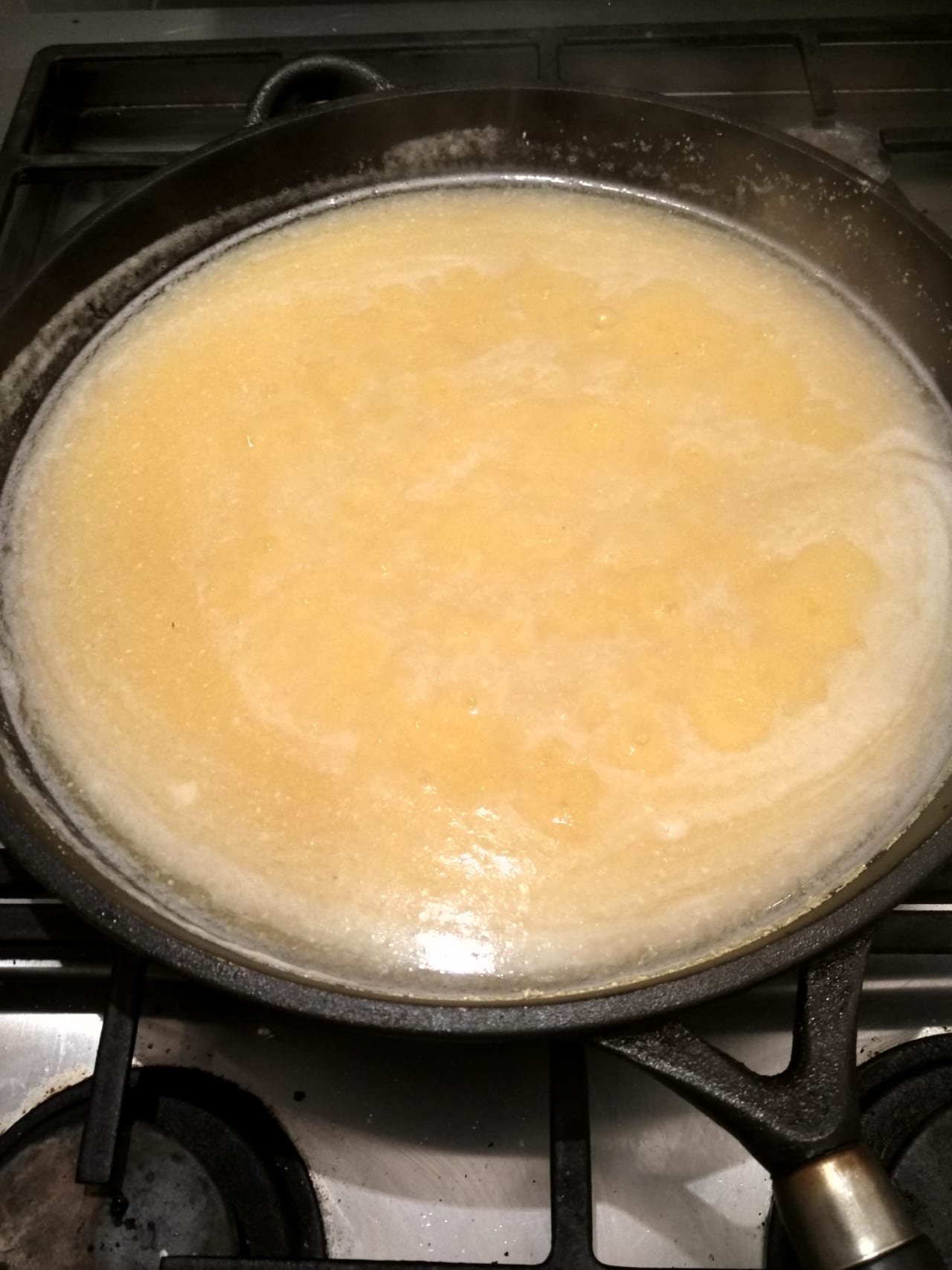
Place the water, salt and polenta in a wide pan or saucepan and gently bring into a simmer. When water reached boiling point, reduce the heat to the lowest. Stir occasionally and cook for about 1 hour until the polenta breaks of the sides of the pan and its consistency is a bit thicker.
- 2
Finishing steps· 3 minutes
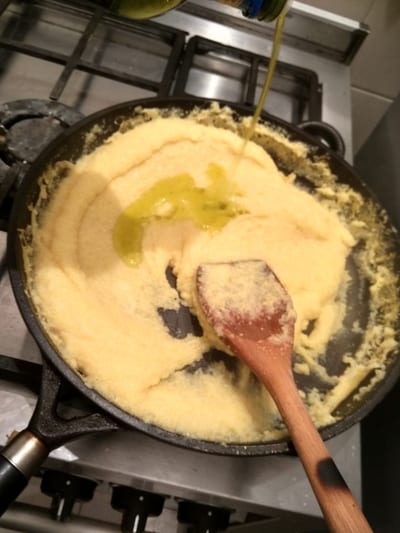
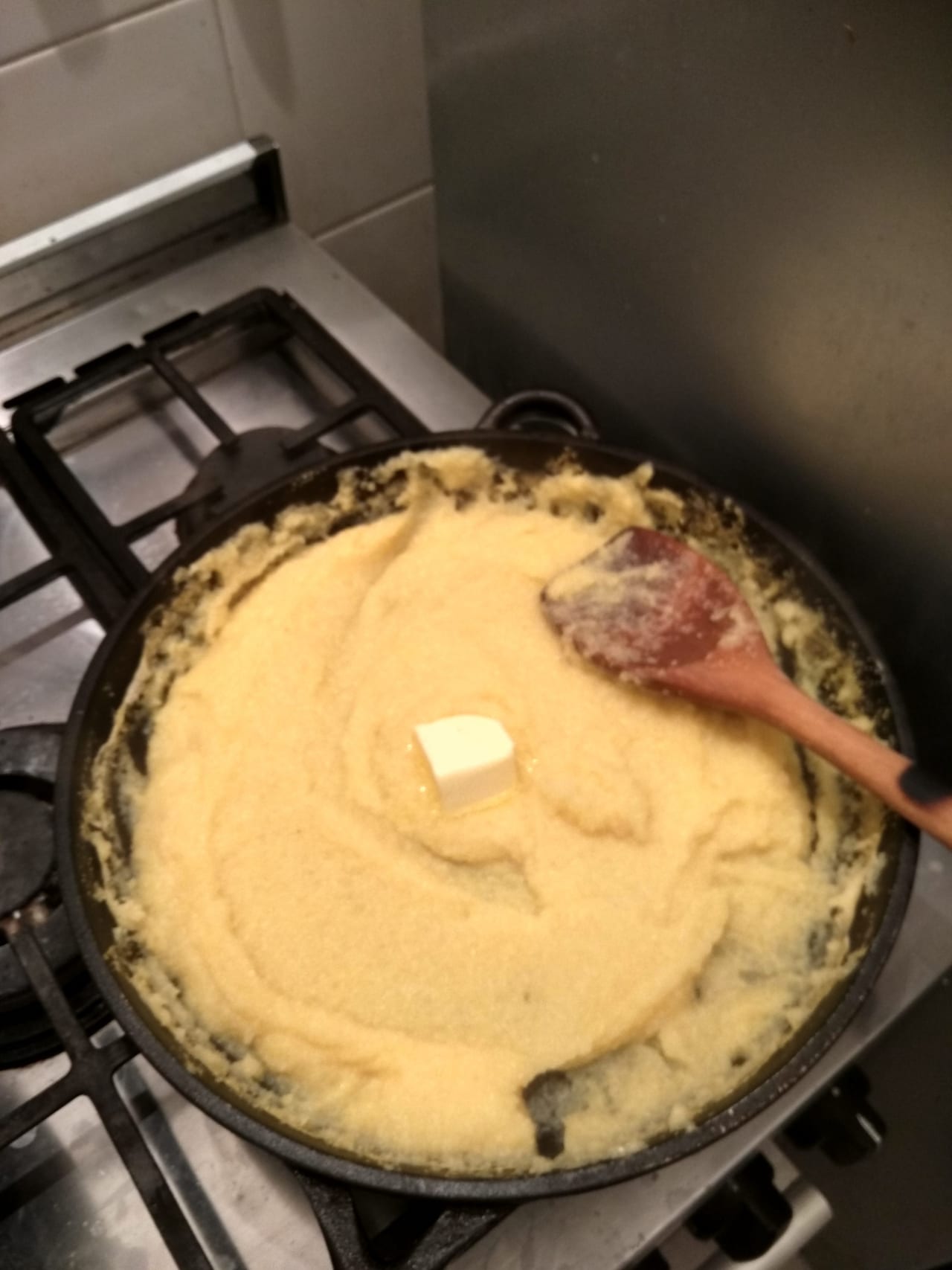
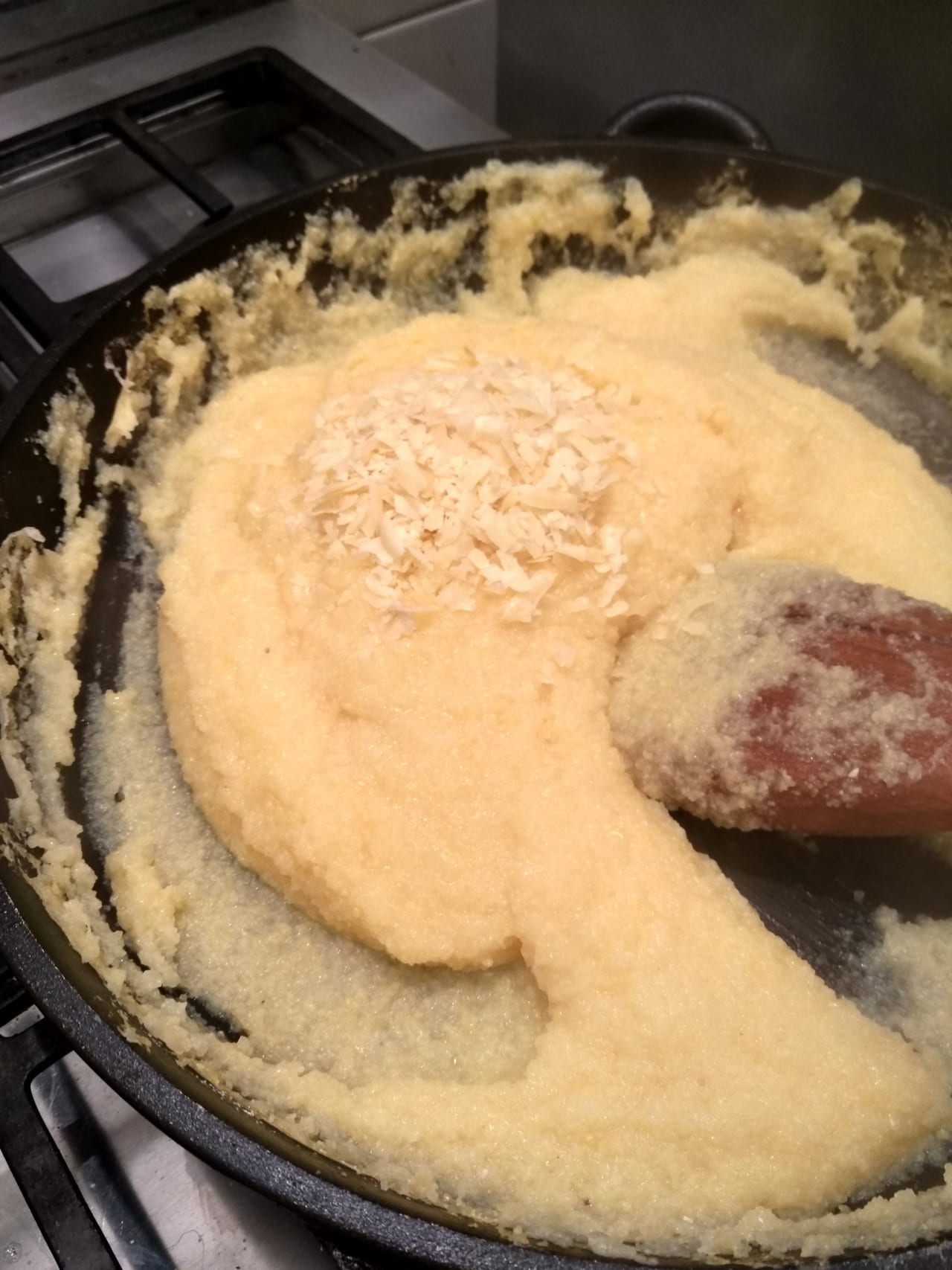
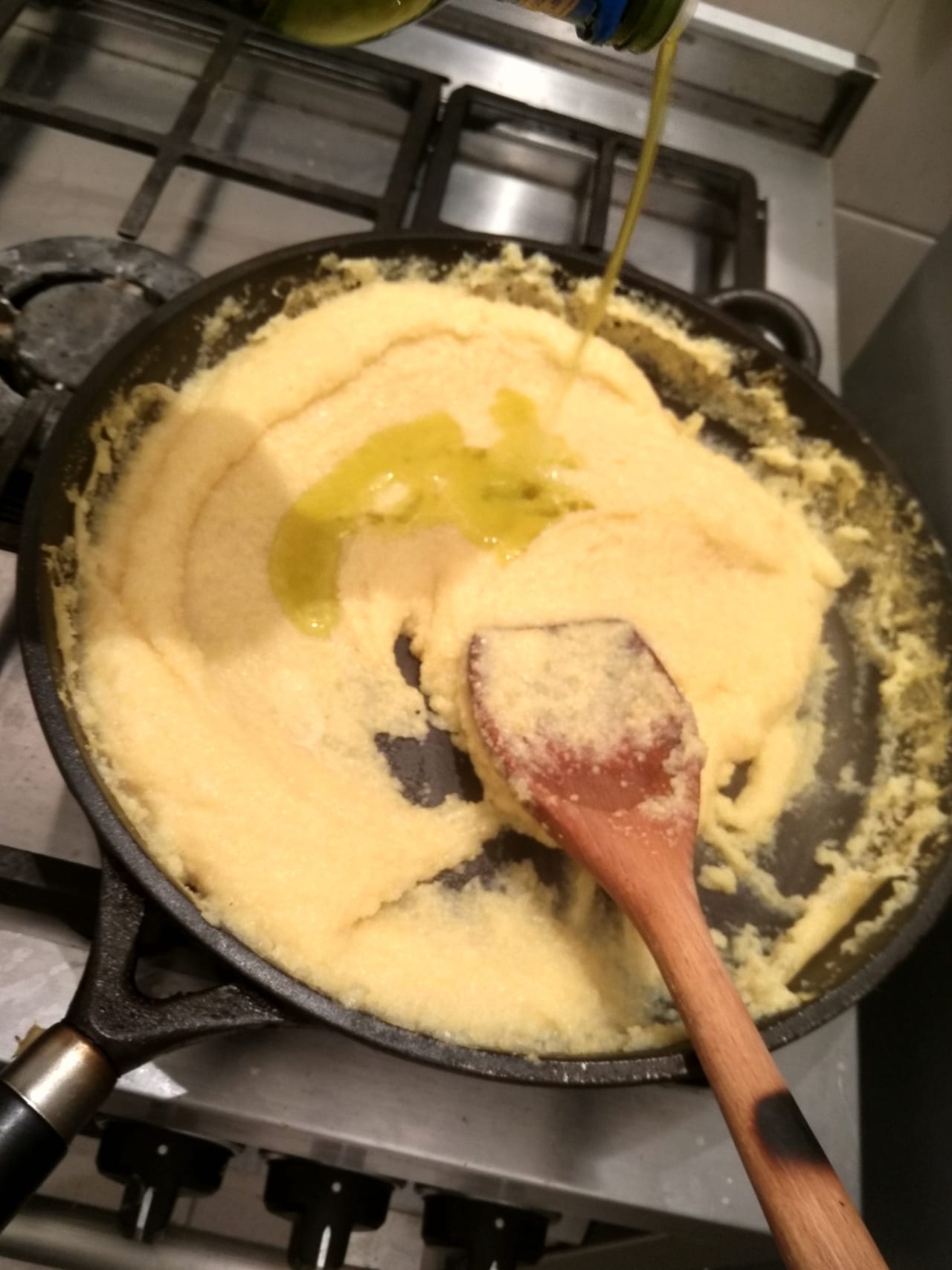
When polenta is ready turn of the heat. Add the butter, mix until combined and add the olive oil and parmesan. Season with salt if needed. Serve immediately.


Jaron Kimhi
Jaron Kimhi — self-taught home cook from Tel Aviv, writing and cooking every recipe on this site himself. 20+ years of tinkering in the kitchen, leaning toward slow cooking, classic technique, and honest ingredients.
More recipes by Jaron →


