CookinCityRecipes & Articles For Better Cooking At Home

Ciabatta Recipe

Classic Italian Ciabatta with Poolish

Quick answerMakes 6 servings, ready in 16½ hrs., cook at 230°c/ 460°F, Italian cuisine.
By Jaron Kimhi··👁 408 views
ciabatta
Ciabatta is one of the Italian bread trademarks — however, I bet you didn't know it's a very young bread in terms of existence. Tradition is a tricky, slippery memory that can fixate a state of mind, and in this case the fact that ciabatta was probably created around the same time as the baguette is a good example of that. In reality, it was invented in 1982 by a Verona baker who wanted to make an Italian bread to fight back against the popular French baguette — and the rest is history.

Ciabatta - sounds difficult but anyone can bake it

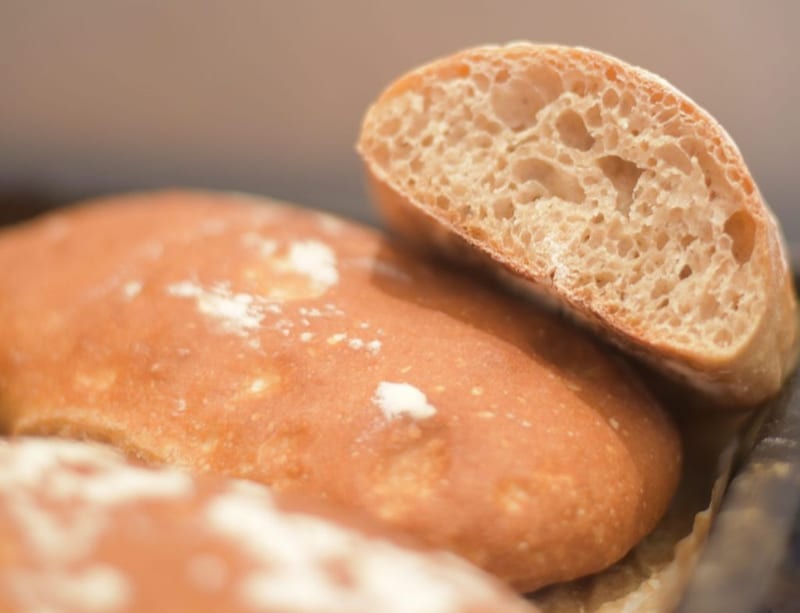
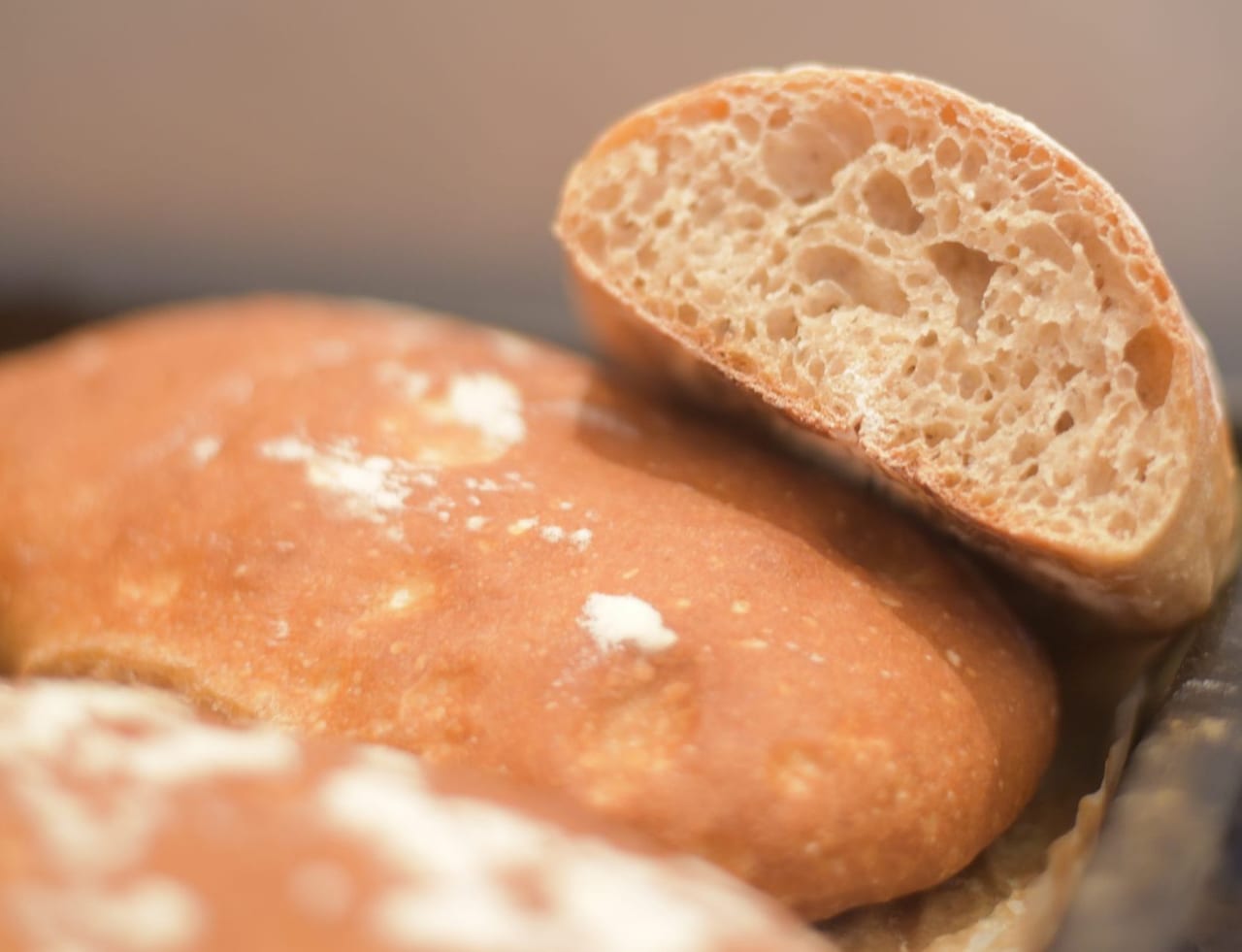
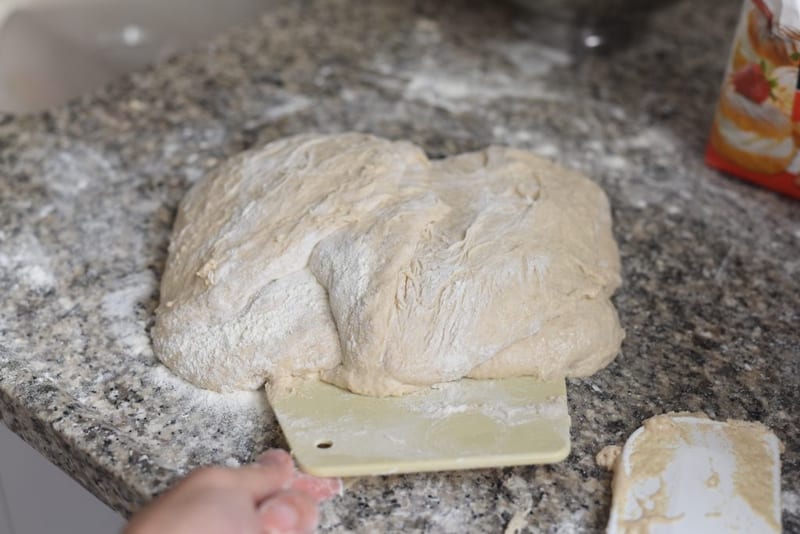
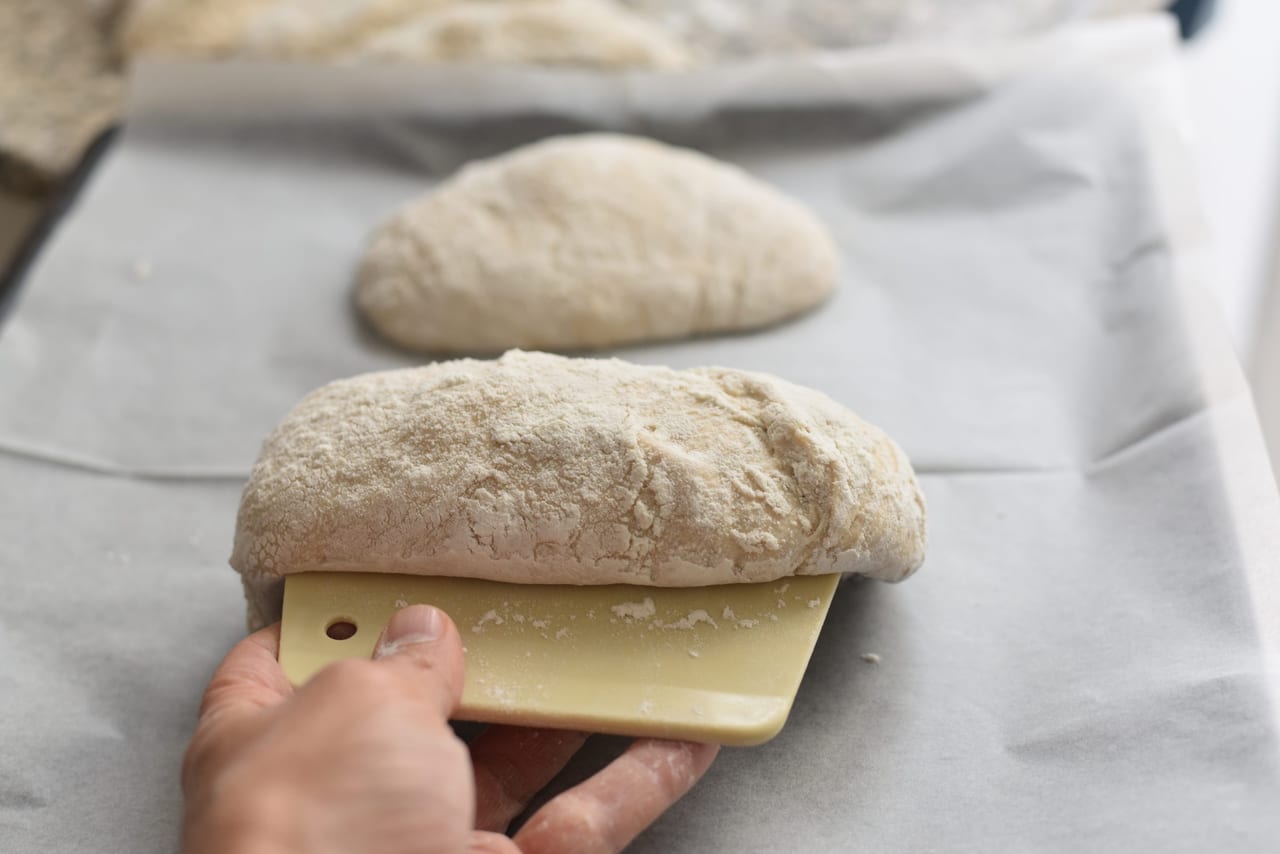
The best way to give a white bread a deep flavor is by adding a poolish or biga. Both are names for preferments at different hydration levels — but to keep it simple, we create a dough 12–16 hours before making the ciabatta, and that's what gives us the rich flavor and airy texture. Making the poolish is easy: just mix flour, yeast, and water, cover it, and leave it on the counter for a few hours. ciabatta The ciabatta dough is very elastic. I strongly recommend using a stand mixer — the dough feels like bubble gum and has caused a serious headache for many bakers. The key to getting that airy texture is mixing the dough to develop the gluten, then letting it rest twice before shaping. After each rest, fold the dough; this builds the strength. You'll want to use a dough scraper for the folding, especially for the first one — the dough is a bit runny and very sticky, which makes it a challenge to fold. ciabatta Getting the ciabatta full of air pockets is easy — just leave it alone. From the moment we divide the dough into the desired number of buns, we use minimum tampering. The most important thing is not to burst the bubbles inside the ciabatta. That's what ensures a puffy, airy, super-tender texture — the trademark of this amazing bread. ciabatta  
Method

  1. 1

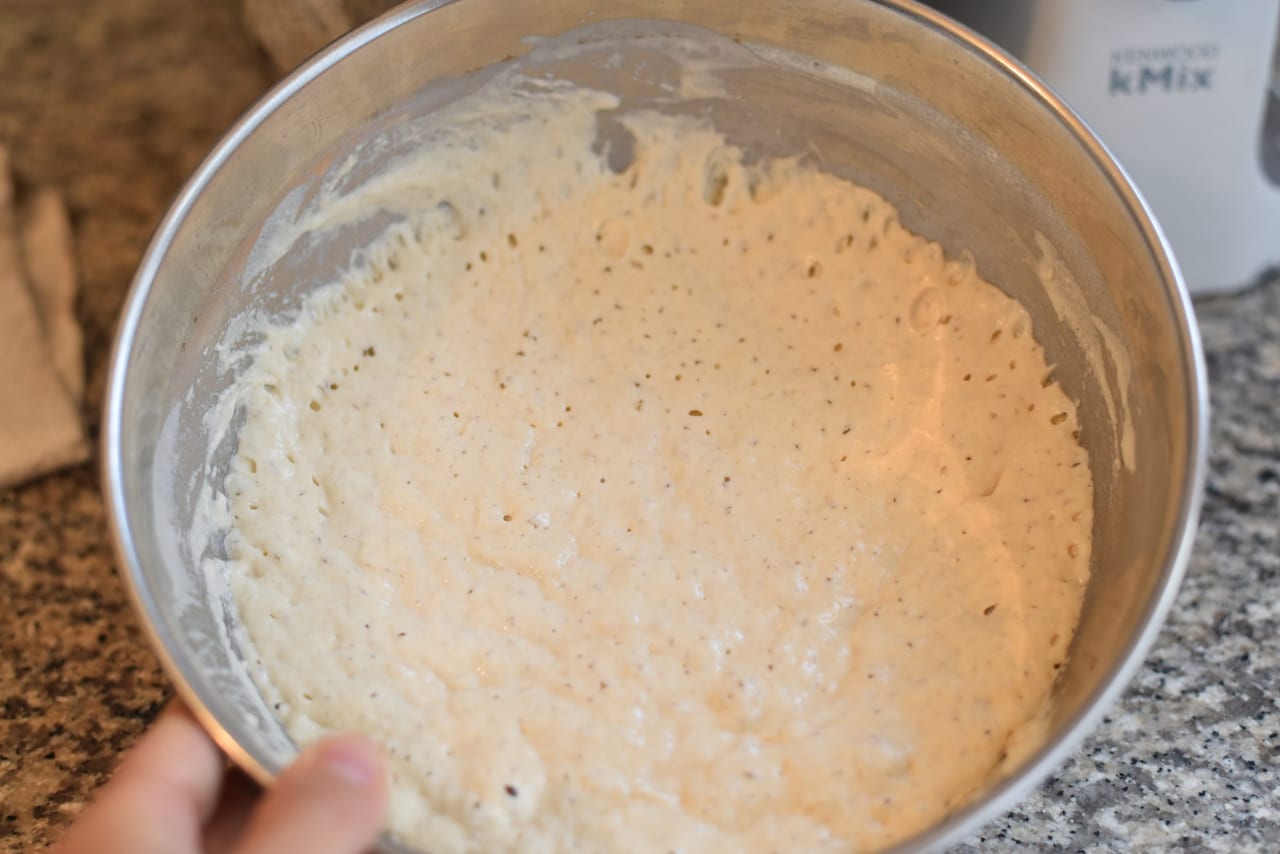
    Preparing the Poolish· 12-16hrs

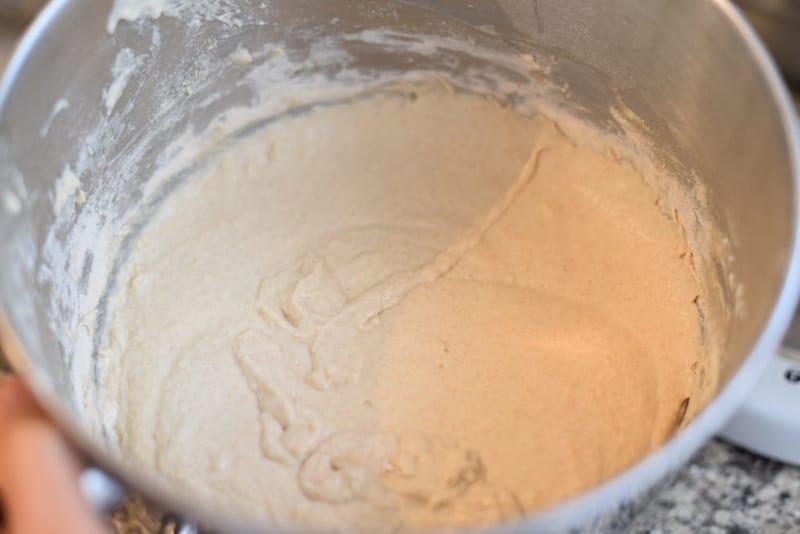
    Disperse the yeast in water and add the flour and salt. mix the Poolish, cover with a plastic wrap keep in a cool spot in room temperature for 12-16 hrs.
    ciabatta
  2. 2

    Mixing the dough· 3hrs.15 minutes

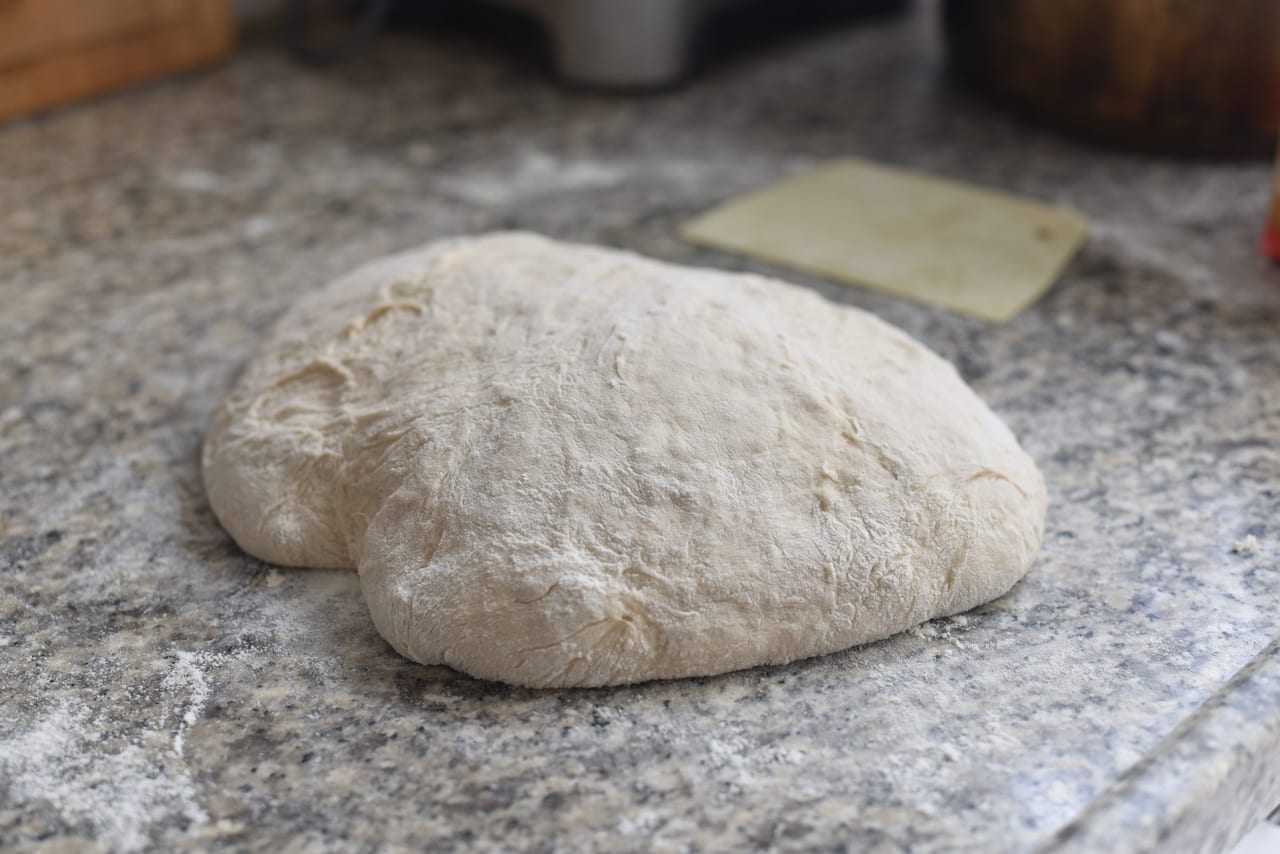
    In a bowl of a stand mixer disperse the yeast in the water with 3 tbsp. of the bread flour and cover for 5-10 minutes (the mixture should be a bit bubbly). remove the cover and add the rest of the bread flour, whole-wheat flour and the Poolish. mix on low speed for 3 minutes add the salt and mix for another 5 minutes on medium speed. Cover and proof for 3 hours, folding the dough every hour to build strength.
    Ciabatta
  3. 3

    dividing and shaping· 2 hrs.

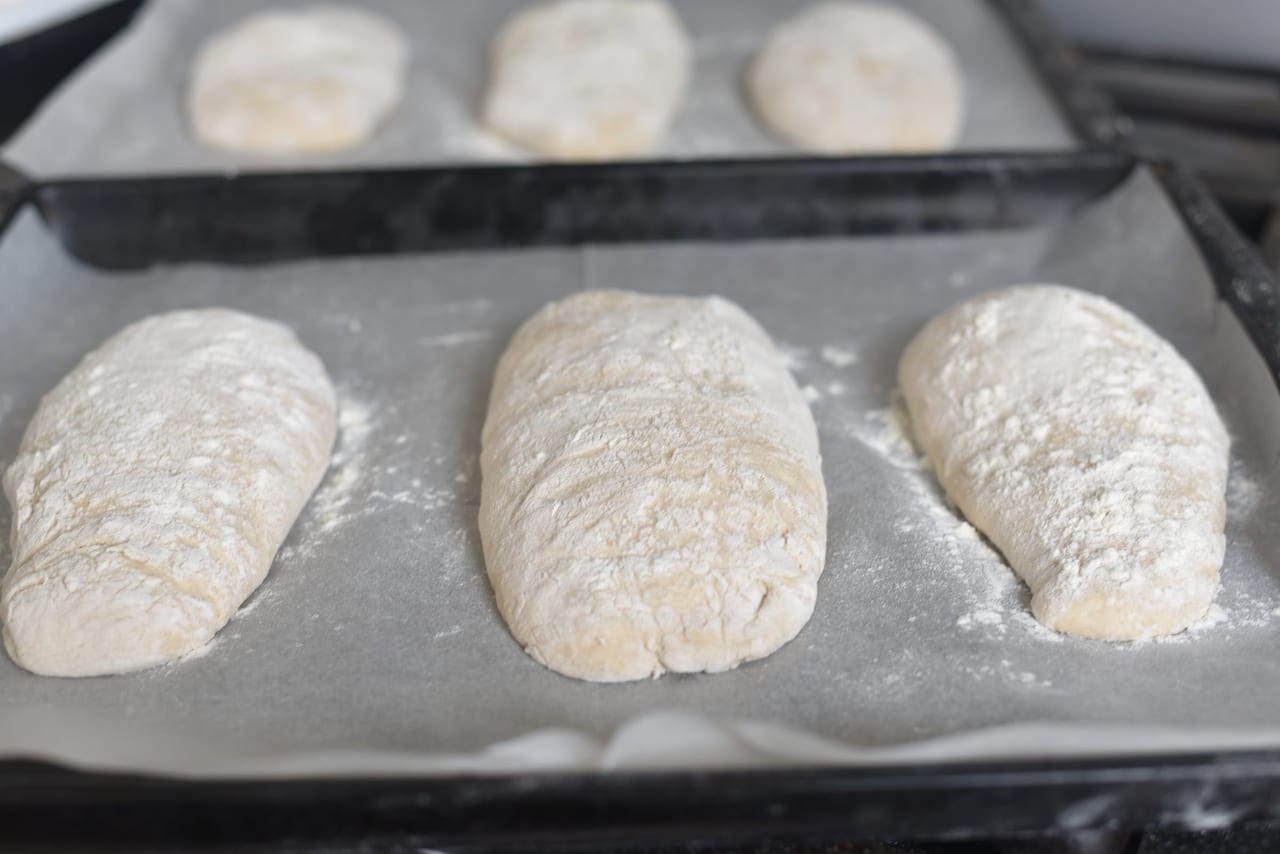
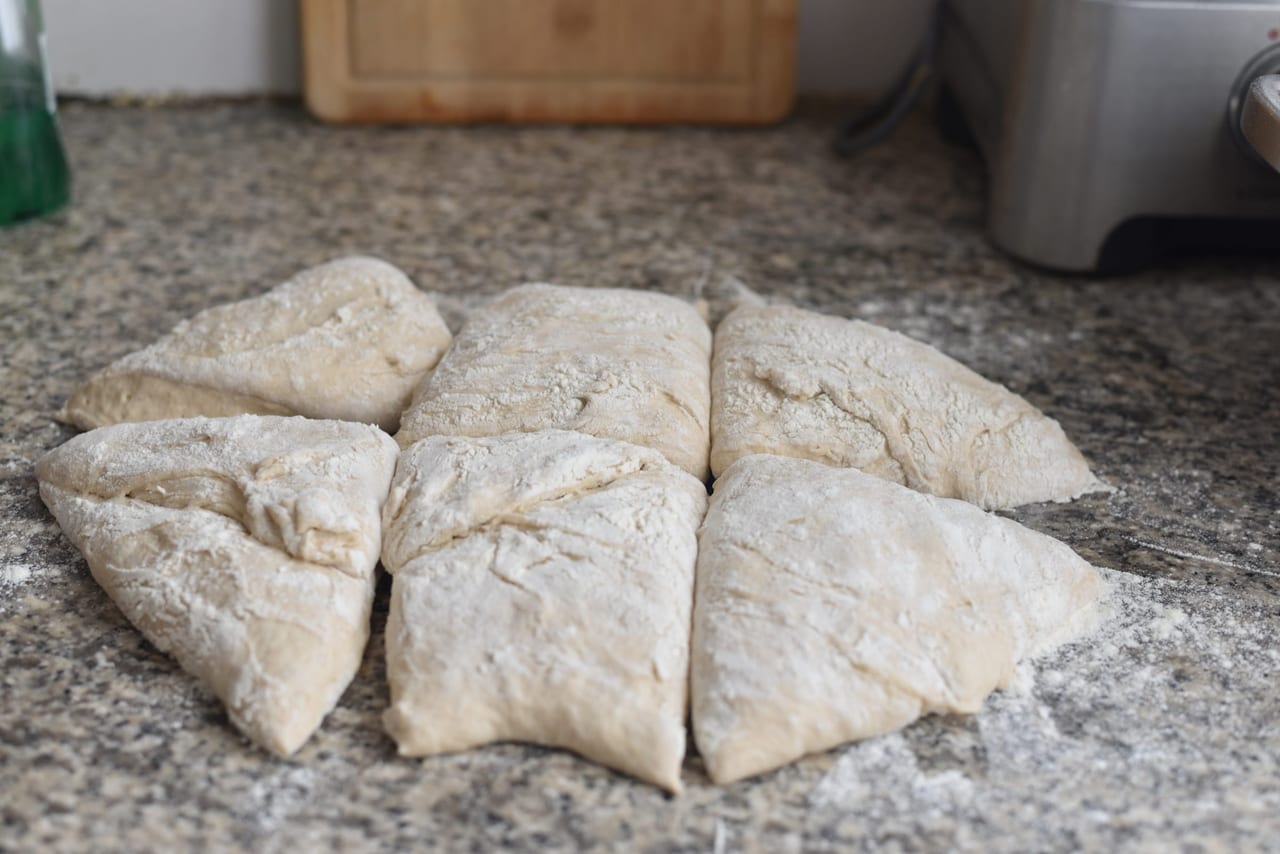
    Pour the dough into a floured work surface, fold it once or twice gently and divide it into 6 parts as you make a line lengthwise and 2 more lines crosswise. Shape each part into a rectangle-oval shape with minimum tempering, most important is to keep the air inside the dough and not bursting the bubbles. Place the ciabattas on a baking pan and cover for a final rest of 1-2 hrs.
    CiabattaCiabattaCiabatta
  4. 4

    Baking the Ciabatta's· 32-36 minutes

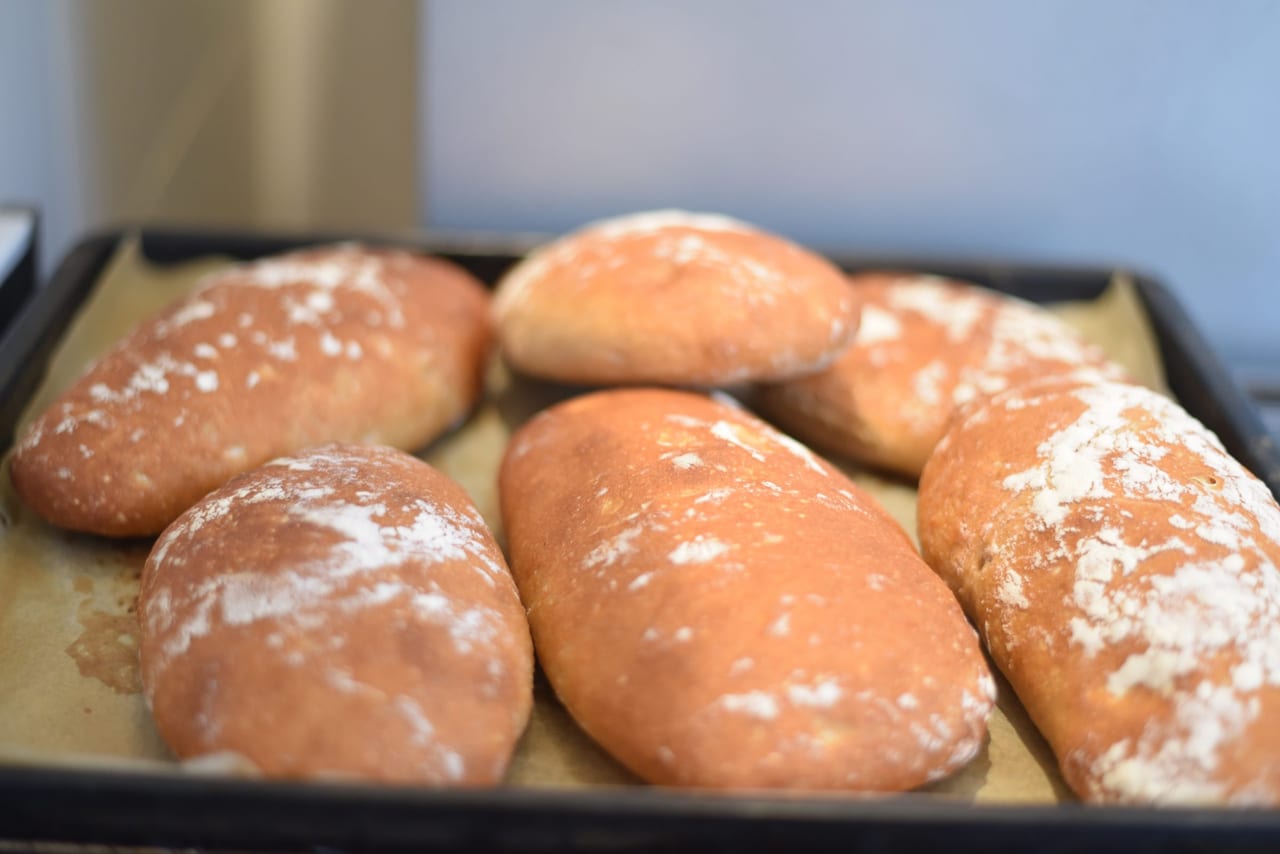
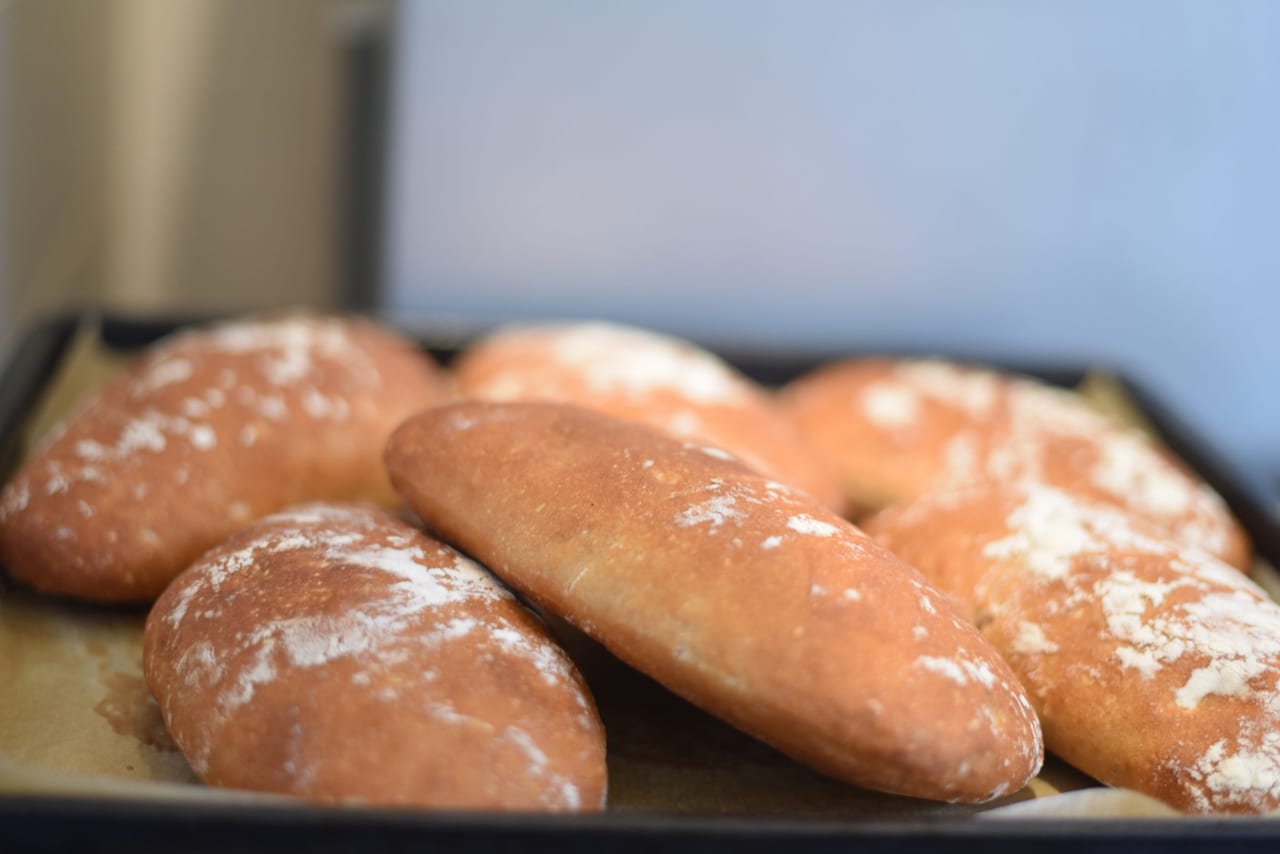
    Preheat the oven to 230°c/ 460°F. Place a heatproof bowl with water inside the oven to create steam, when the oven reaches the desired temperature, remove the bowl carefully and insert the ciabatta tray. After 5 minutes throw a few ice cubes into the bottom of the oven for additional steam, this will build the famous ciabatta crust. When loaves are ready take out and cool for 20 minutes before serving.
    ciabattaciabattaciabatta
Recipe by

Jaron Kimhi

Jaron Kimhi — self-taught home cook from Tel Aviv, writing and cooking every recipe on this site himself. 20+ years of tinkering in the kitchen, leaning toward slow cooking, classic technique, and honest ingredients.

More recipes by Jaron →
Categories
Cuisines

Questions & answers

Can I use all-purpose flour instead of bread flour?
Stick with bread flour if you can — it has more protein, which is what gives ciabatta its chewy, open crumb. All-purpose will work in a pinch but your loaves will be a bit flatter and denser.
Can I make the poolish ahead of time?
That's basically the whole point — mix it the night before and let it do its thing for 12–16 hours while you sleep. Just keep it covered at room temperature in a cool spot.
Why do I need to fold the dough every hour during proofing?
Those folds are building the gluten strength your dough needs to hold all that air. Skip them and your ciabatta will spread out flat instead of puffing up nicely.
Can I skip the ice cubes and water bowl trick?
Don't skip it — that steam is what creates the signature crispy ciabatta crust. The water bowl gets the oven steamy on preheat, and the ice cubes at the 5-minute mark give you a second burst right when the crust is forming.
Why should I handle the dough as little as possible when shaping?
Ciabatta's whole thing is those big air pockets inside — rough handling pops the bubbles and kills the texture. Be gentle, fold once or twice max, and shape with the lightest touch you've got.