Whole-wheat Oatmeal Pancakes
A great nutritional breakfast of fluffy airy pancakes

General guidelines for Oatmeal pancakes
Every pancake is essentially a mix of eggs, flour, and milk (or buttermilk) — the ratio just varies from one recipe to another. What makes a pancake puff up and turn fluffy and light? There's no yeast in the mix, right? The answer is baking powder and baking soda. Each one plays its own role in making the pancakes light and fluffy.Oatmeal pancakes: the science behind breakfast
In gluten-based foods, we use yeast to make bread, cake, or whatever we want to rise. The problem with yeast in pancakes is that it's slow-acting, and we need a fast chemical reaction for these oatmeal pancakes. We have 2 great combinations to work with here. The first: if you're using buttermilk, you'll want baking soda. Baking soda is an alkaline powder — also known as sodium bicarbonate, it's a base. Buttermilk is acidic. Mix them together and you get carbon dioxide gas (those bubbles in the pancake). If you go with the buttermilk-baking soda combo, cook the oatmeal pancakes fast to keep as many bubbles as possible in the batter (yes, they disappear).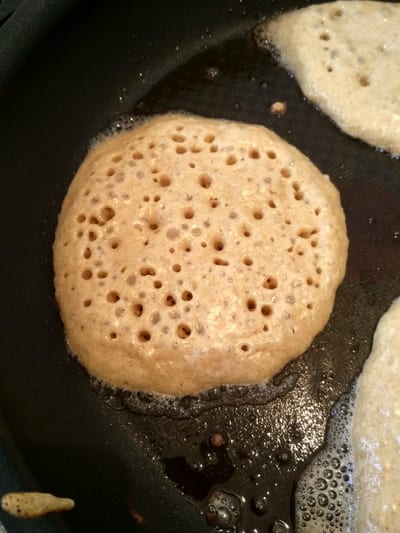
Oatmeal pancakes coming your way
In this recipe, I actually use both powders — baking powder and baking soda — because I use both milk and buttermilk and I want a strong chemical reaction to get my pancakes airy and fluffy. Oatmeal pancakes are a bit heavier than regular white-flour pancakes, so we need all the help we can get to nail the right texture. This recipe is flexible — you can swap the whole-wheat flour or oatmeal for regular white flour, or swap the butter for oil (or coconut oil). Totally up to you. Either way, it'll come out great!Method
- 1
Prepare Pancake Batter· 15 min
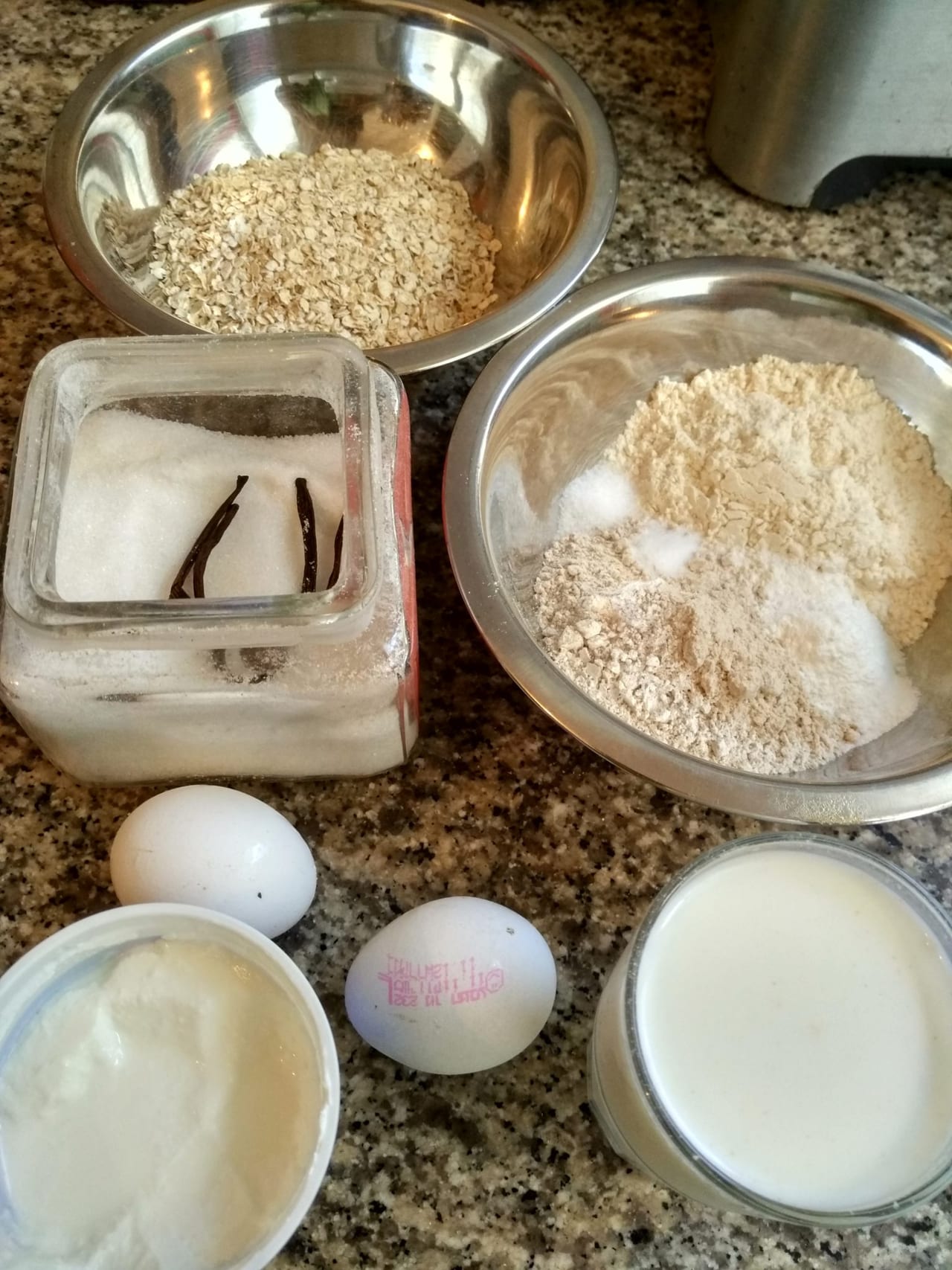
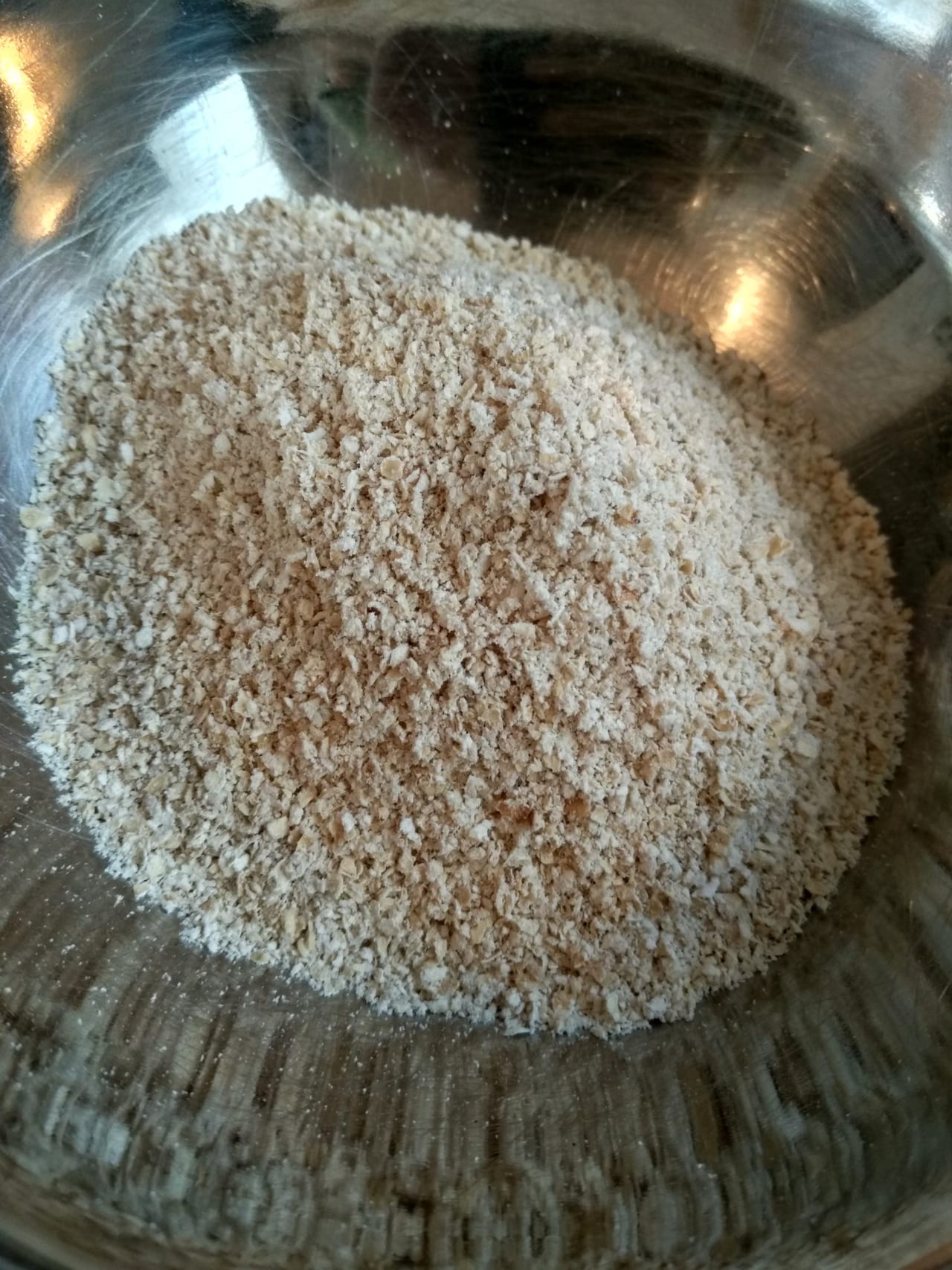
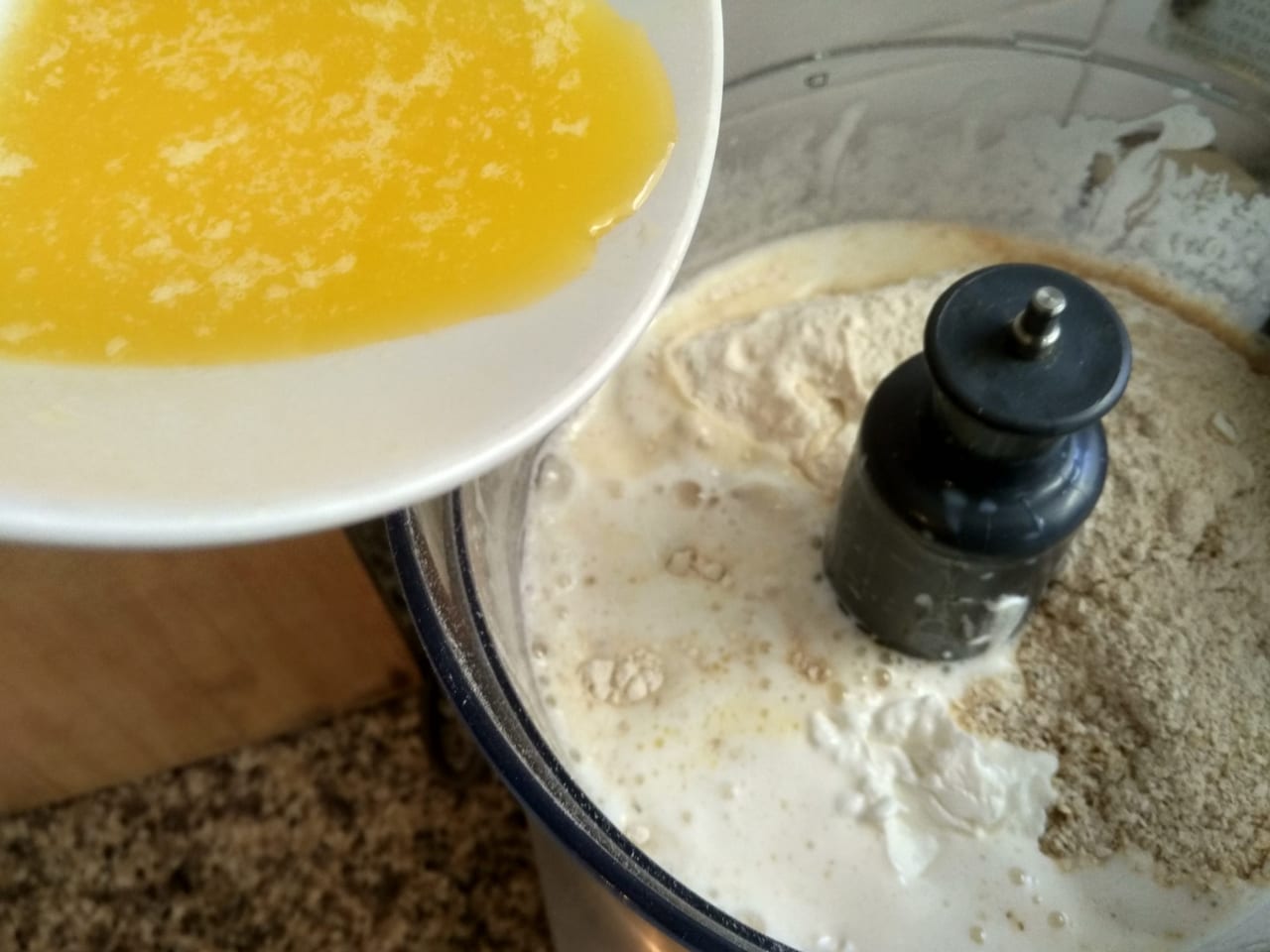
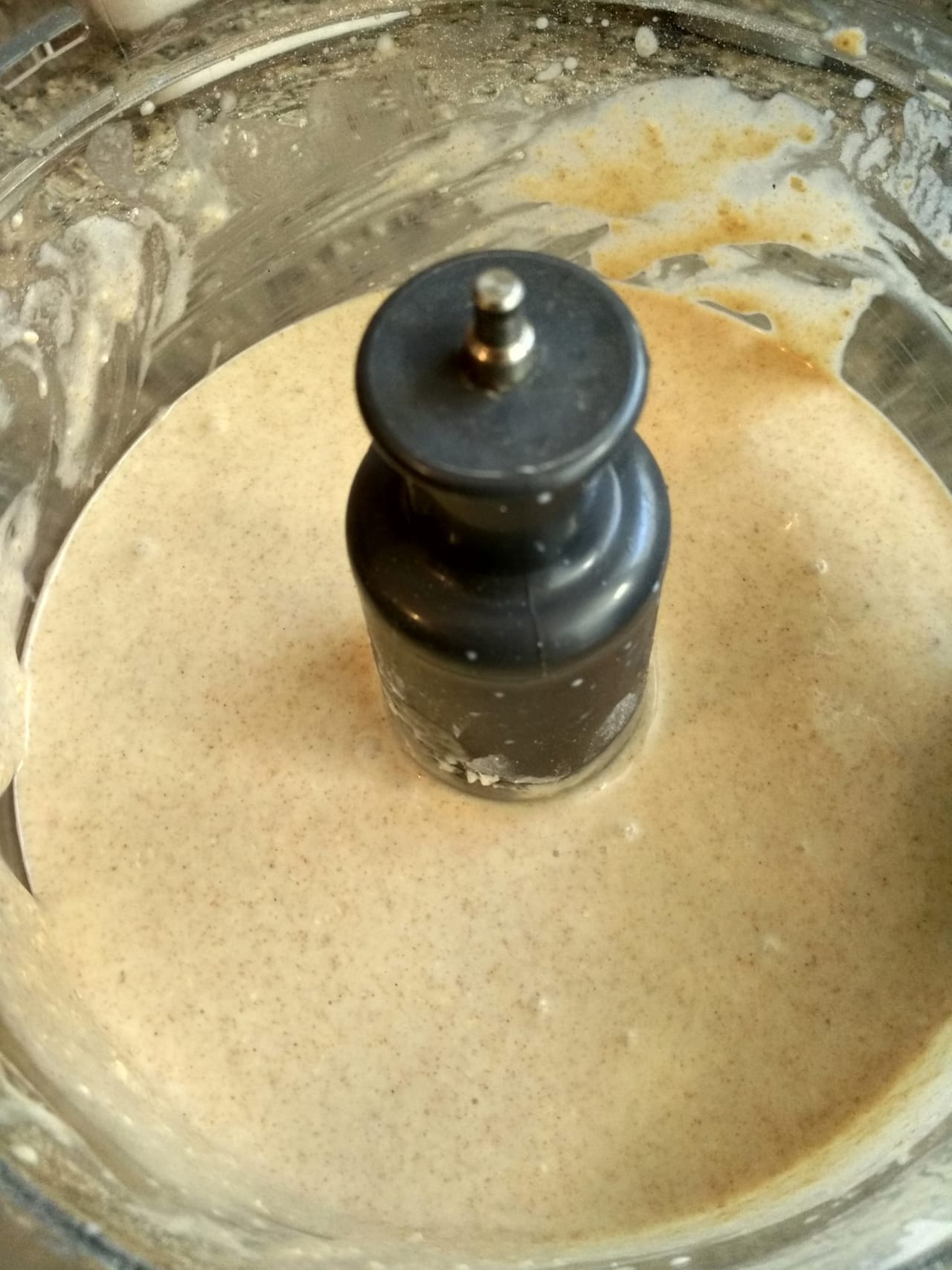
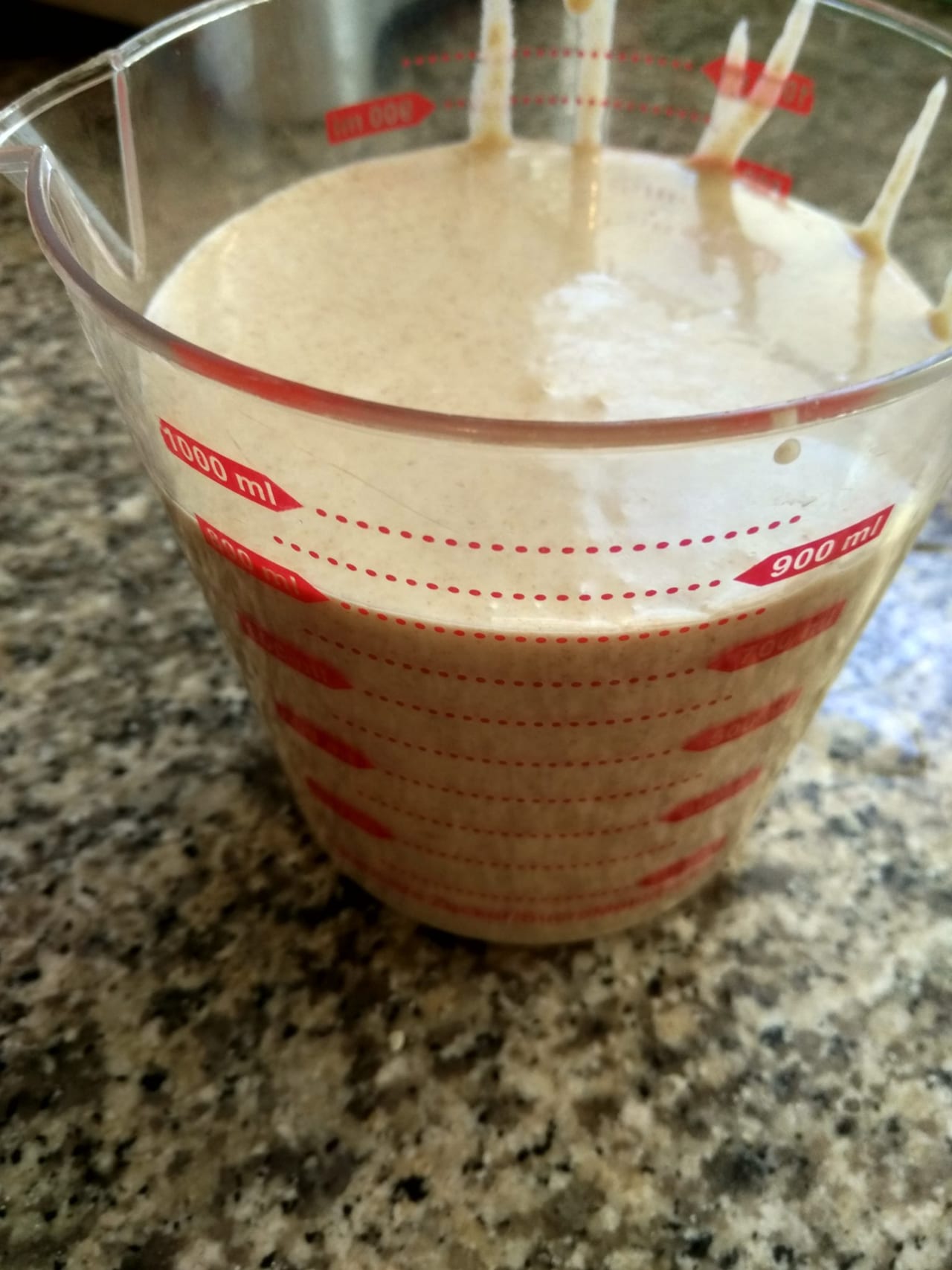
Crush the oats in a food processor to create oat flour. Add the oat flour into the bowl of a food processor with the sugar and eggs and whisk for 2 minutes. In a separate bowl mix all the dry ingredients, flour, baking soda, baking powder, salt and add to the food processor. whisk one more minute and add the buttermilk and the melted butter in a steady drizzle. If the batter will be a bit thick, it's OK, if more than desired please add 2-3 tbsp of milk and mix. At this stage, you can take the batter to the fridge for half an hour to help flavors combine, cooling also helps forming a much nicer and steady shape, this is totally optional.
- 2
cooking time
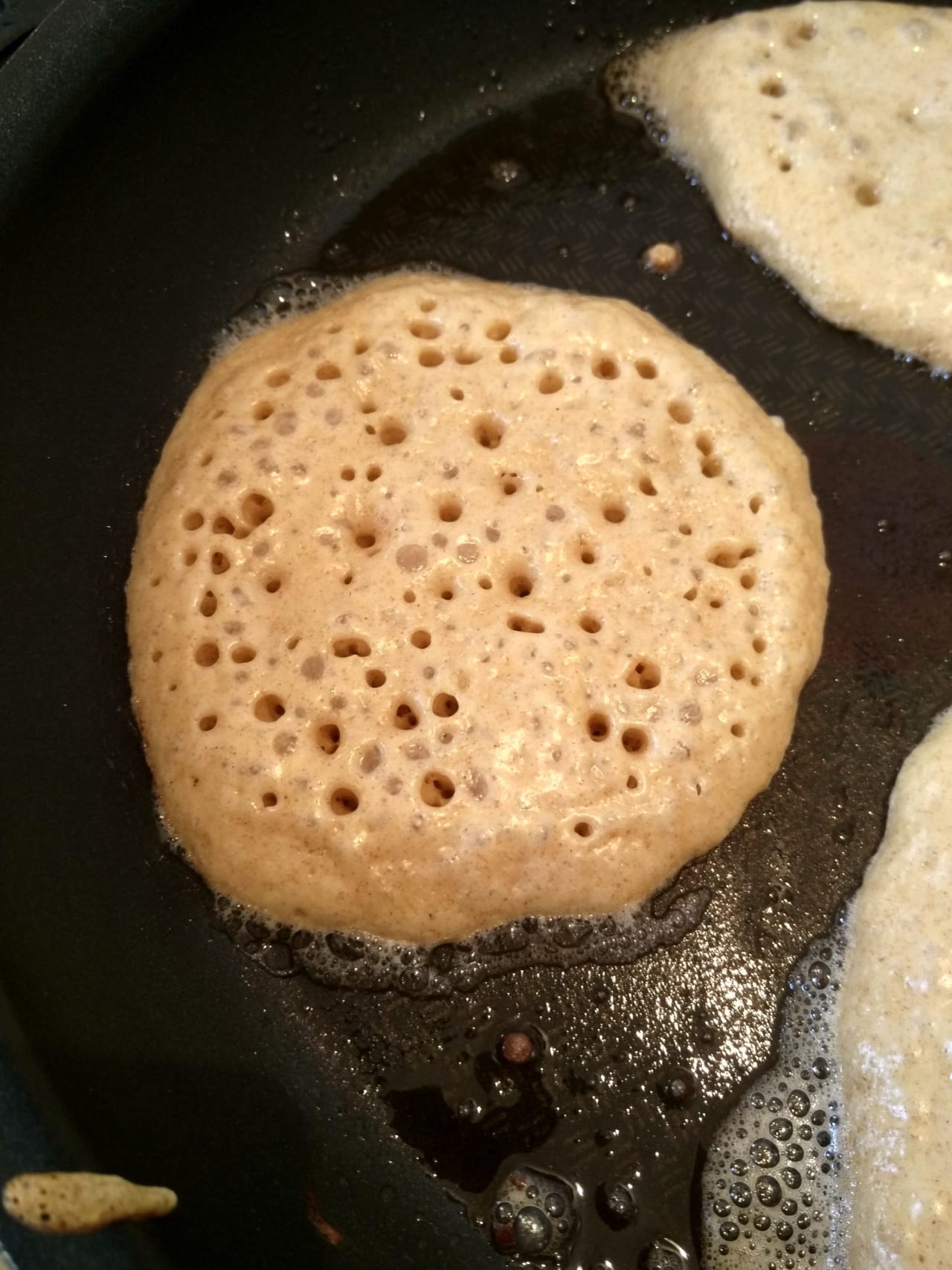
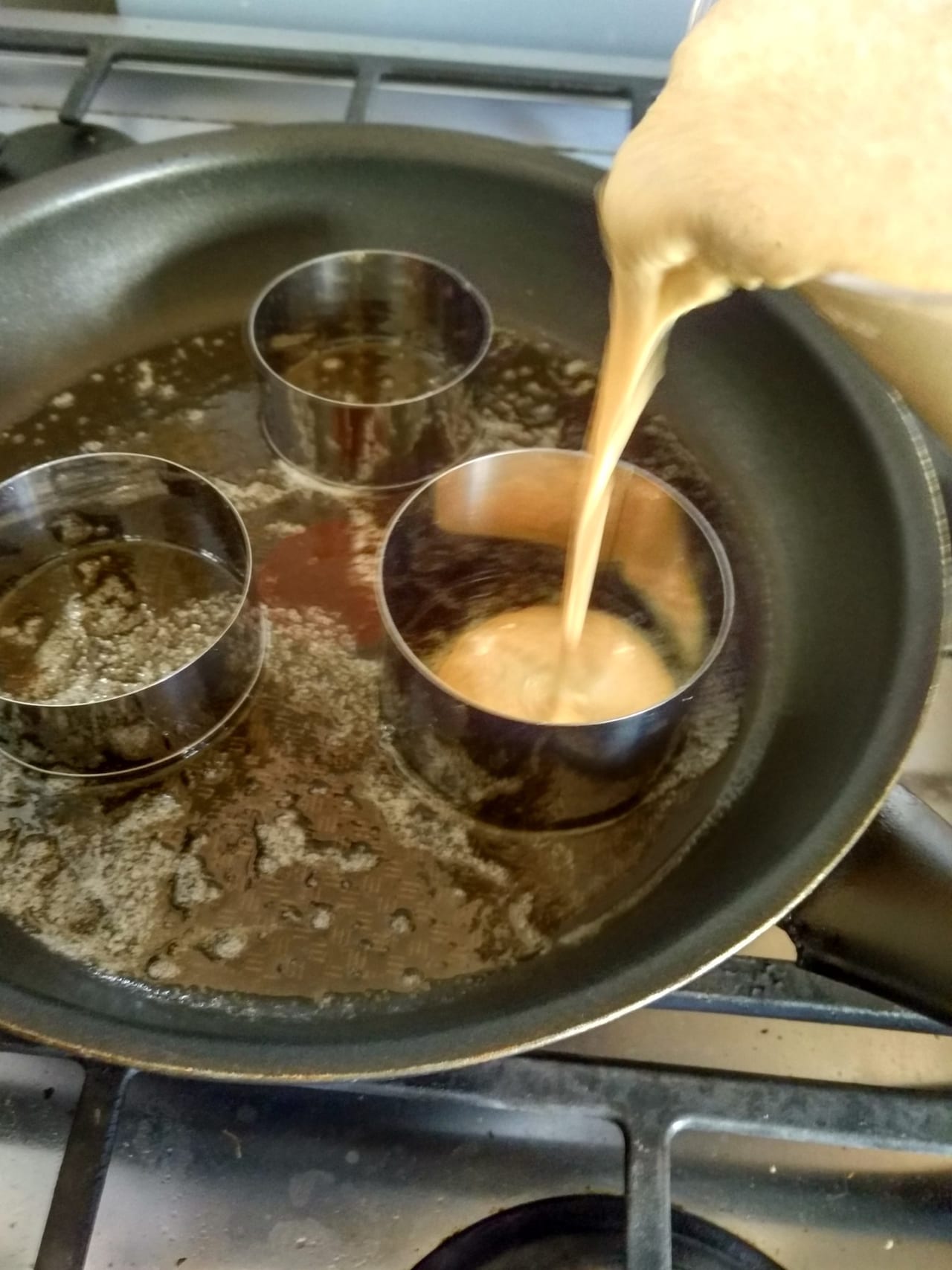
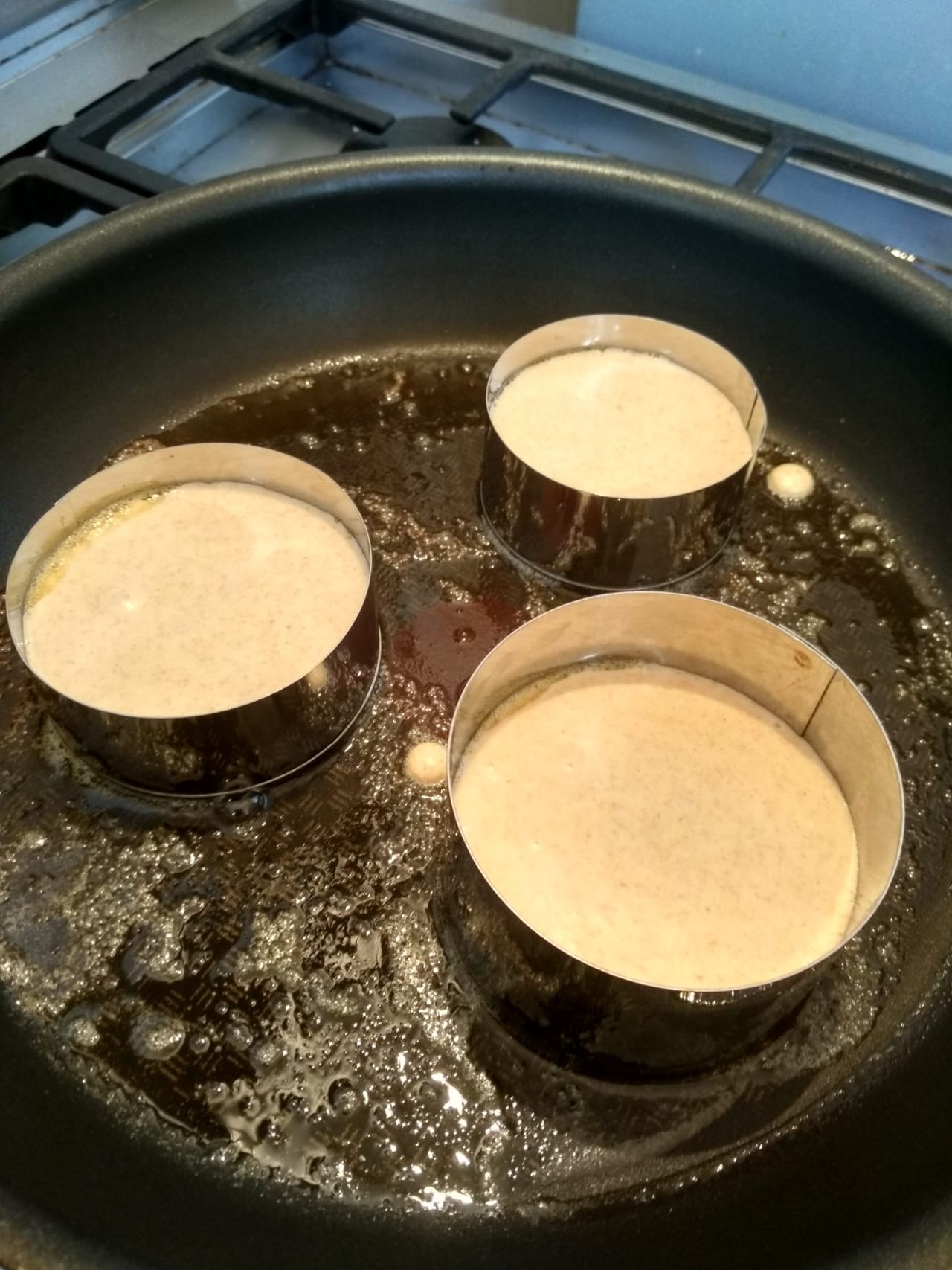
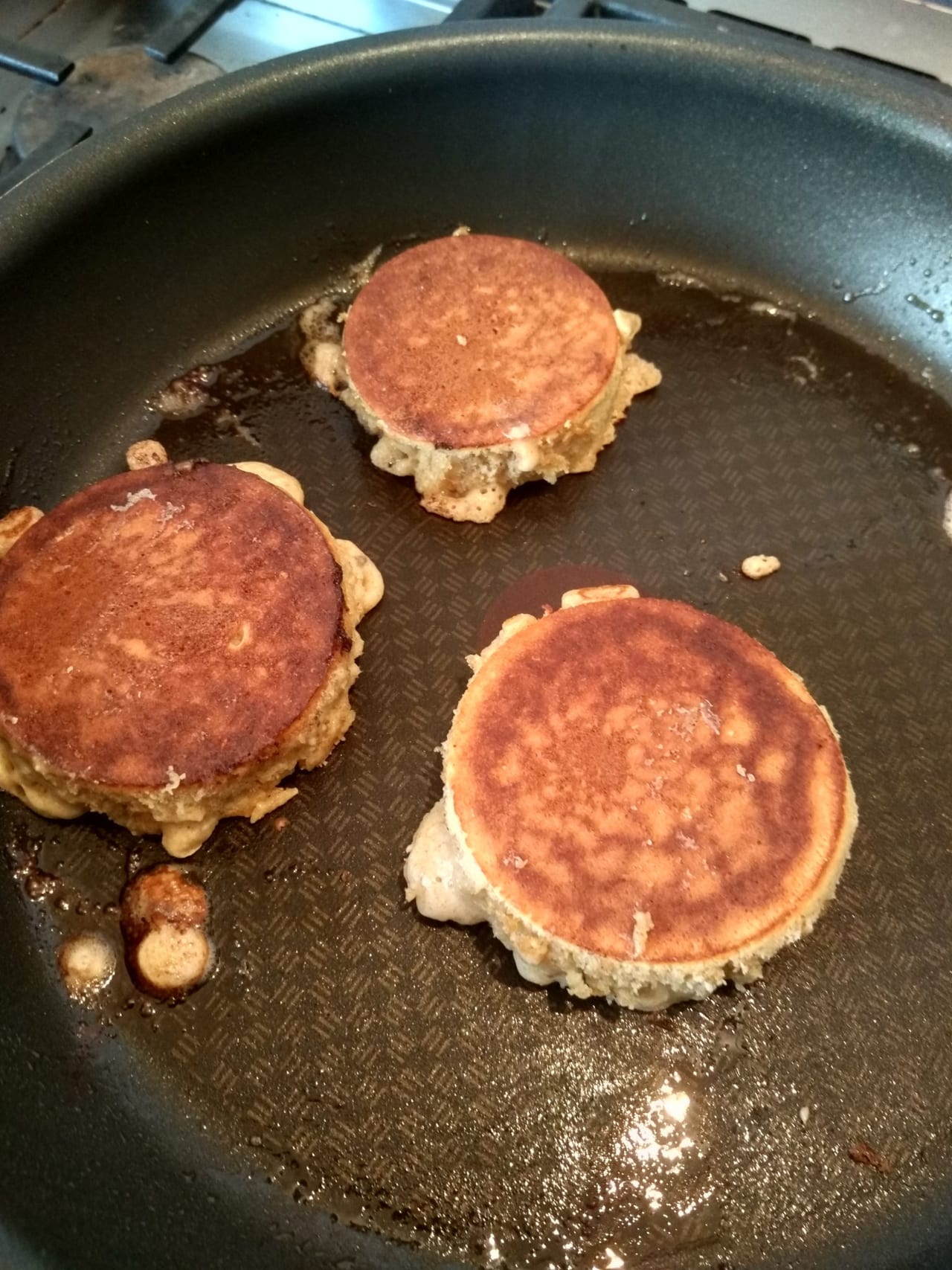
Heat a large iron skillet over medium heat, add the butter, when it melts pour the pancake mixture directly on the pan or into a ring (to form a nice shape), cook until bubbles start to appear and flip them over, cook for another minute and take out. Serve warm with maple syrup or any other topping you like.


Jaron Kimhi
Jaron Kimhi — self-taught home cook from Tel Aviv, writing and cooking every recipe on this site himself. 20+ years of tinkering in the kitchen, leaning toward slow cooking, classic technique, and honest ingredients.
More recipes by Jaron →


