Vegetarian Okonomiyaki
traditional Japanese savory pancake

What is Okonomiyaki?
It's a batter made out of eggs, flour, cabbage, and many more goodies, which in most cases are up to you — but there are certain Okonomiyaki types, and they vary by region. The meaning of Okonomiyaki (お好み焼き) is "how you like it on a grill". That defines this savory pancake where everything goes. The variations depend on the region. The Kansai style (Osaka is the main city) is probably the most common version and contains, on top of the regular ingredients, green onion, pork belly, octopus, and shrimp. The Hiroshima style is much more extravagant and can result in a very thick pancake with all the ingredients stacked on top of each other. Popular additions are cheese, squid, fried egg, noodles — and the amount of cabbage is significantly higher than in the Osaka style version.Japanese recommended ingredients
Most of the Japanese vegetables and sauces we use in Okonomiyaki aren't available outside of Japan. They can be found in some Japanese grocery stores or Asian markets, but they're not easy to track down — so I've added a substitute for every ingredient. Nagaimo is a kind of yam that's grated into the batter. It adds flavor and a light texture. It can be omitted or replaced with grated potatoes. Tempura flakes are another key element for keeping the pancake light and airy. If you can't find tempura flakes, you can make them (too much mess in my opinion) or just use bread crumbs — it'll do the trick. As for the sauces, it's very difficult to replicate Japanese mayonnaise and Okonomiyaki sauce, which is a rich, thick, semi-sweet kind of Worcestershire sauce. Making this great Japanese dish is easy and fun, and even if you don't have all the ingredients, just use whatever you have — it'll turn out great.Method
- 1
making the batter· 40 minutes
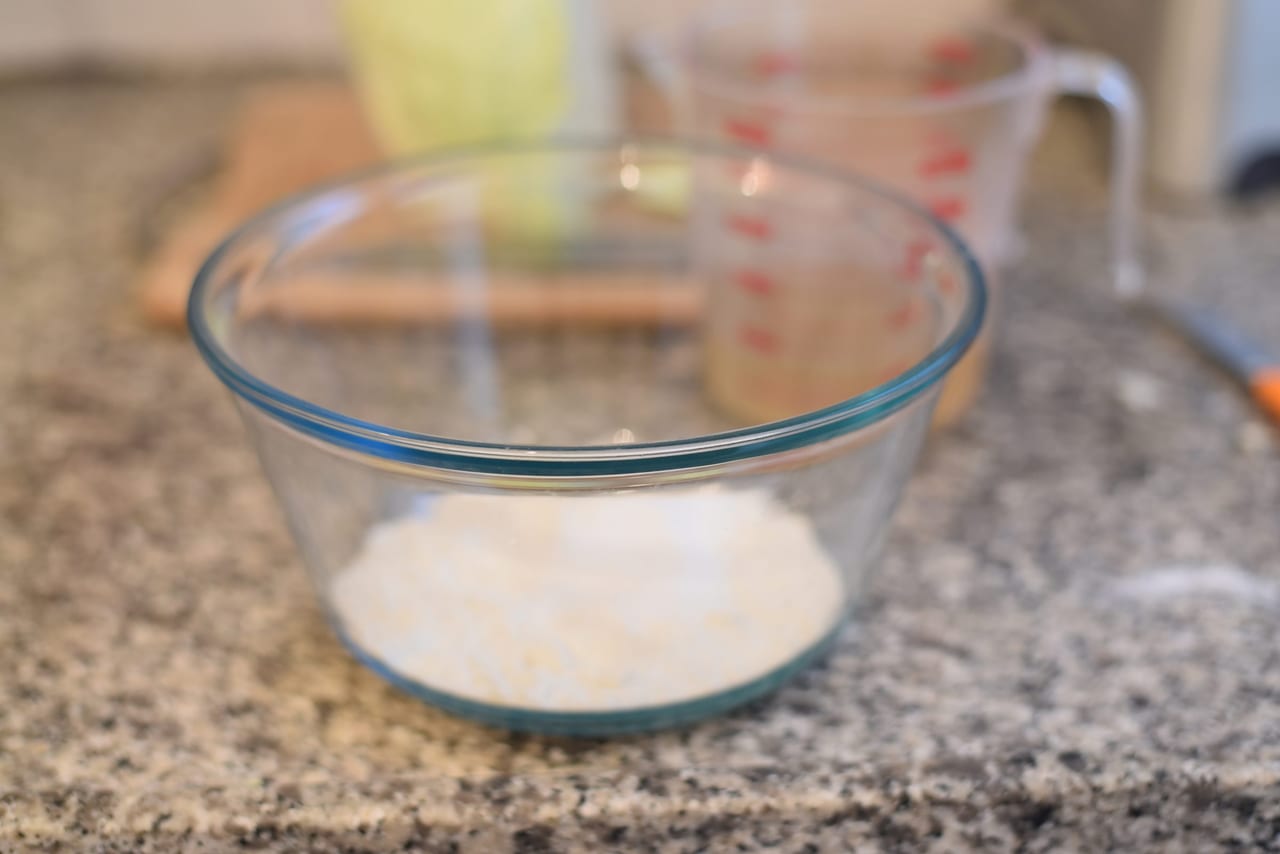
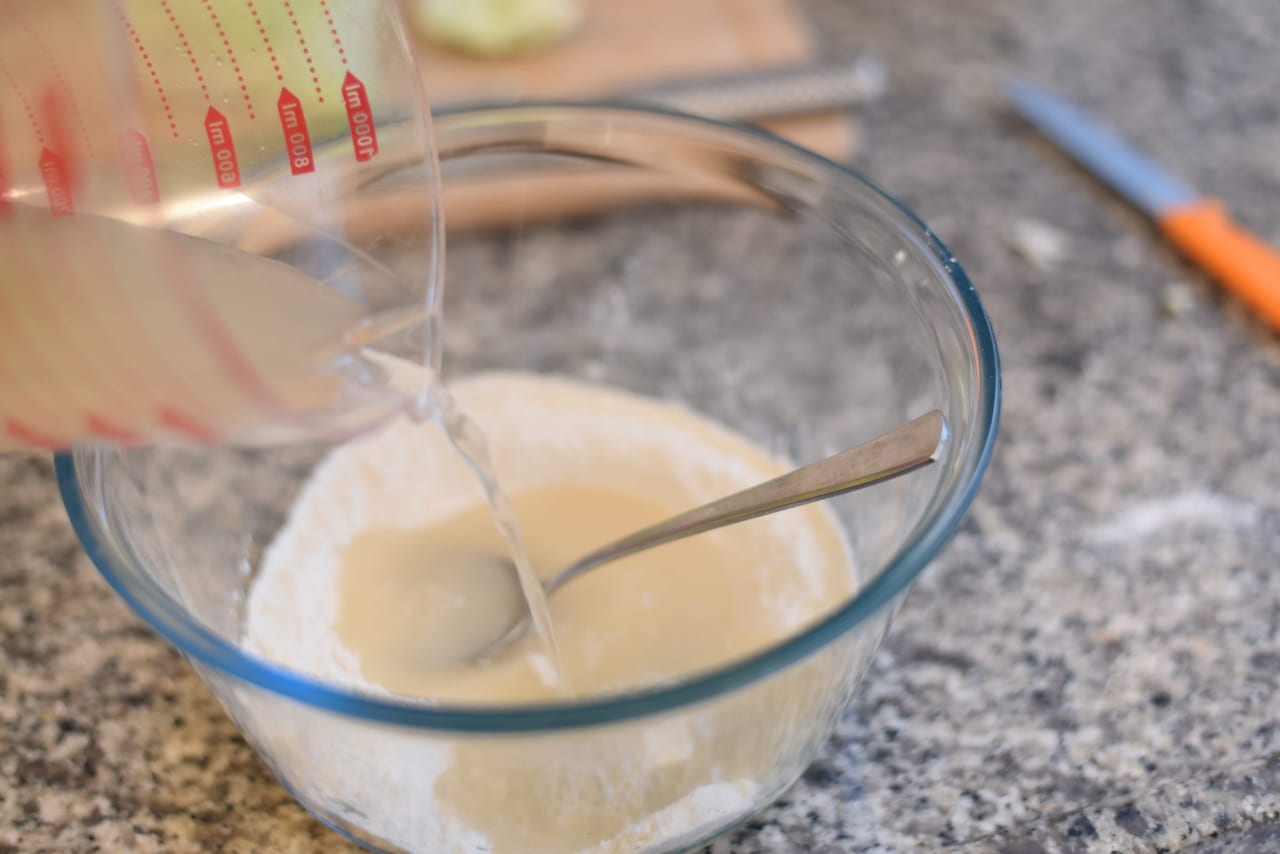
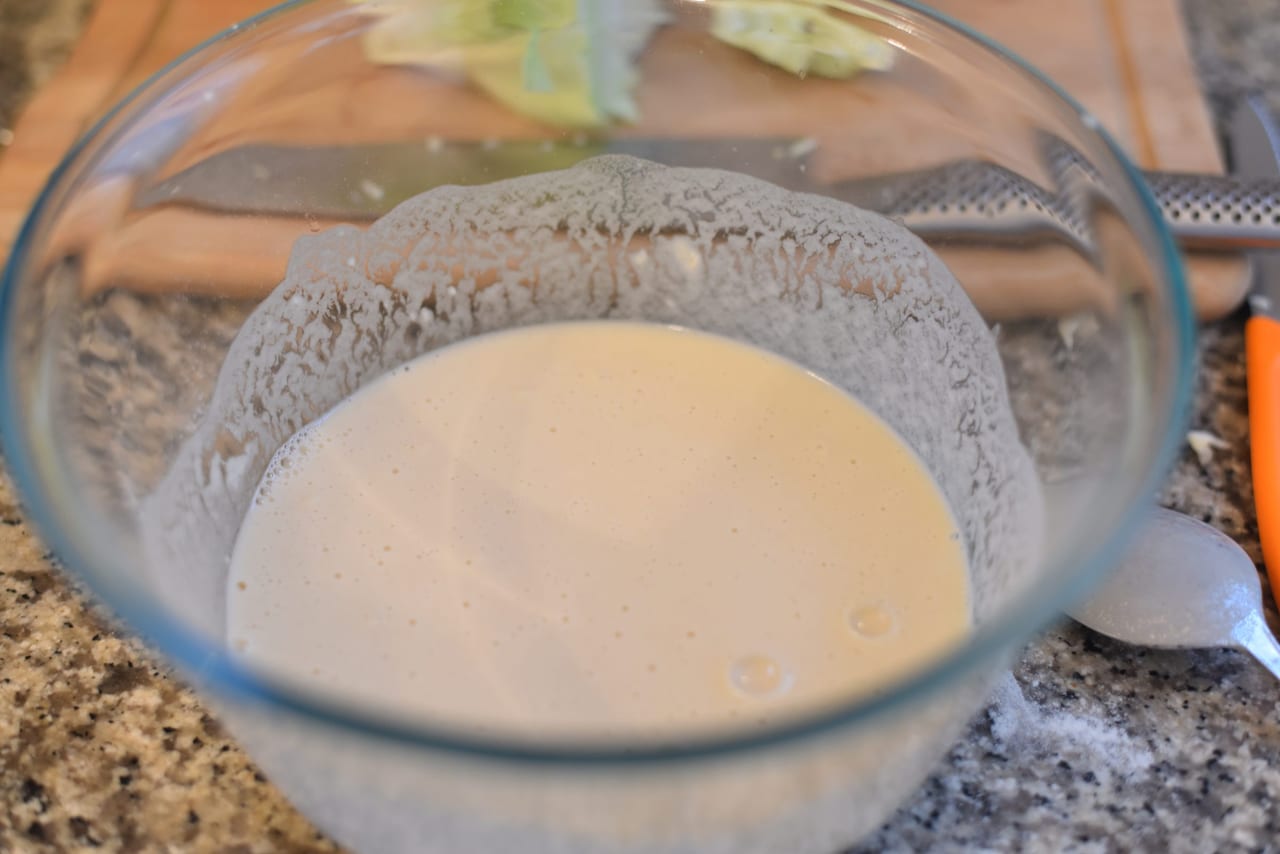
Mix all dry ingredients, flour, baking powder, salt and sugar, add the grated Nagaimo or potatoes, dashi stock, mix until incorporated and cover with a plastic wrap. Place in the fridge for at least 30 minutes.
- 2
finishing the batter· 5 minutes
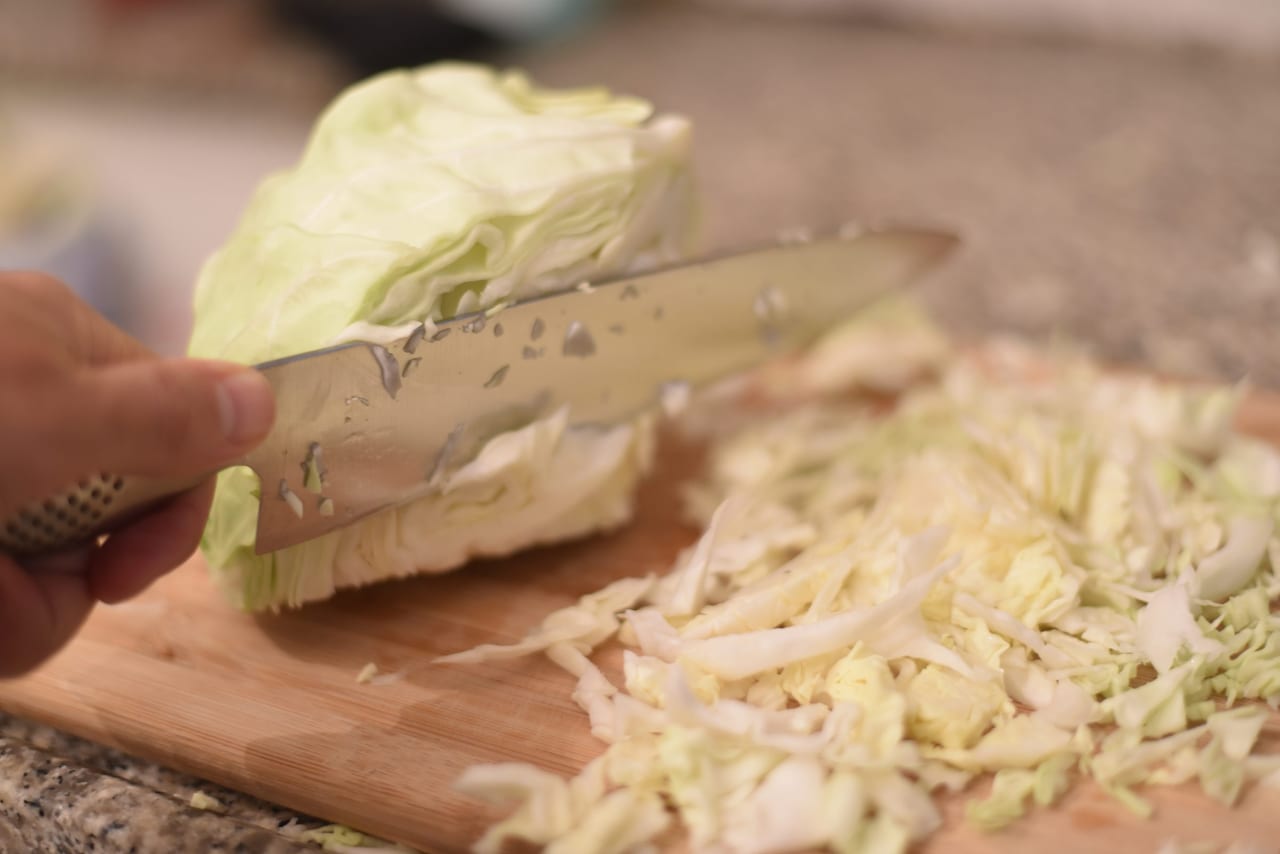
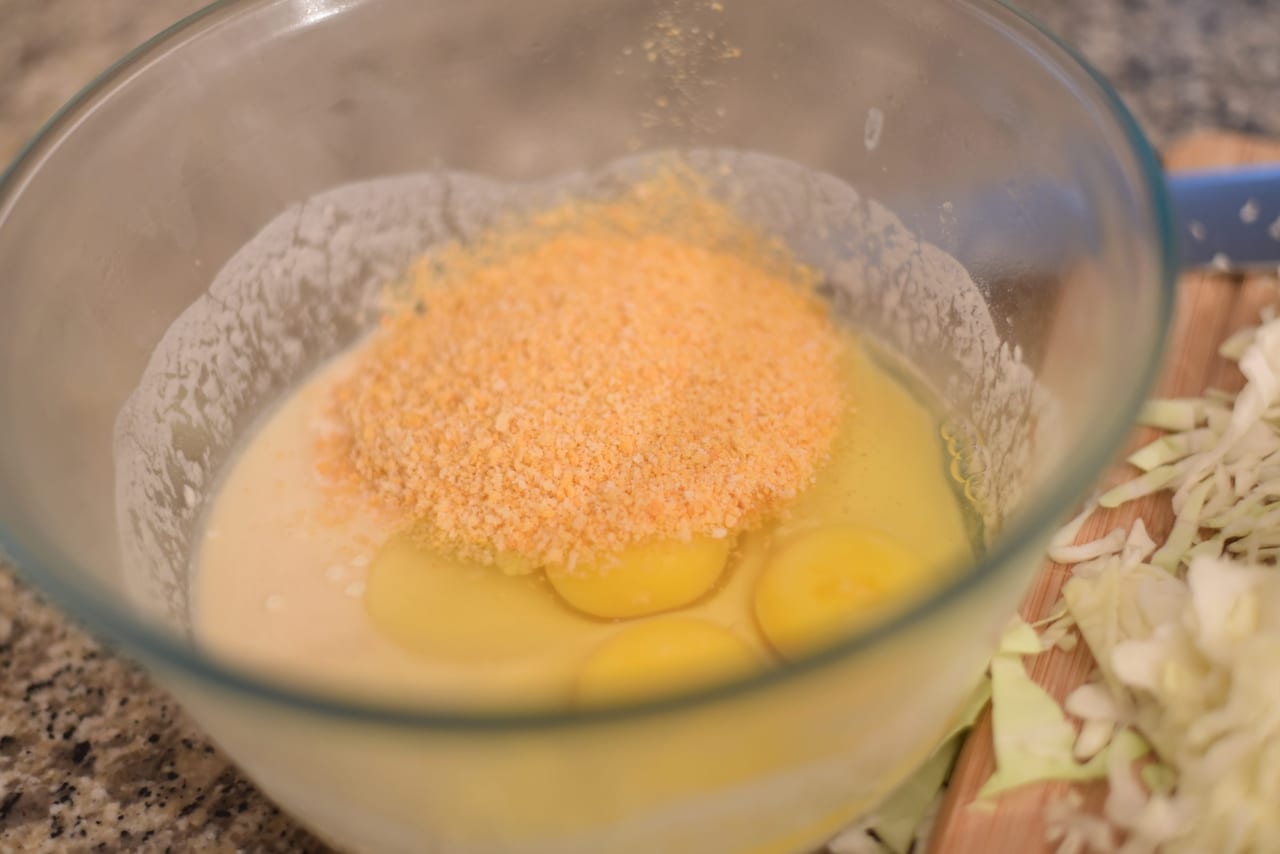
Add the cabbage, eggs, tempura flakes or bread crumbs and mix well
- 3
cooking the Okonomiyaki· 10 minutes
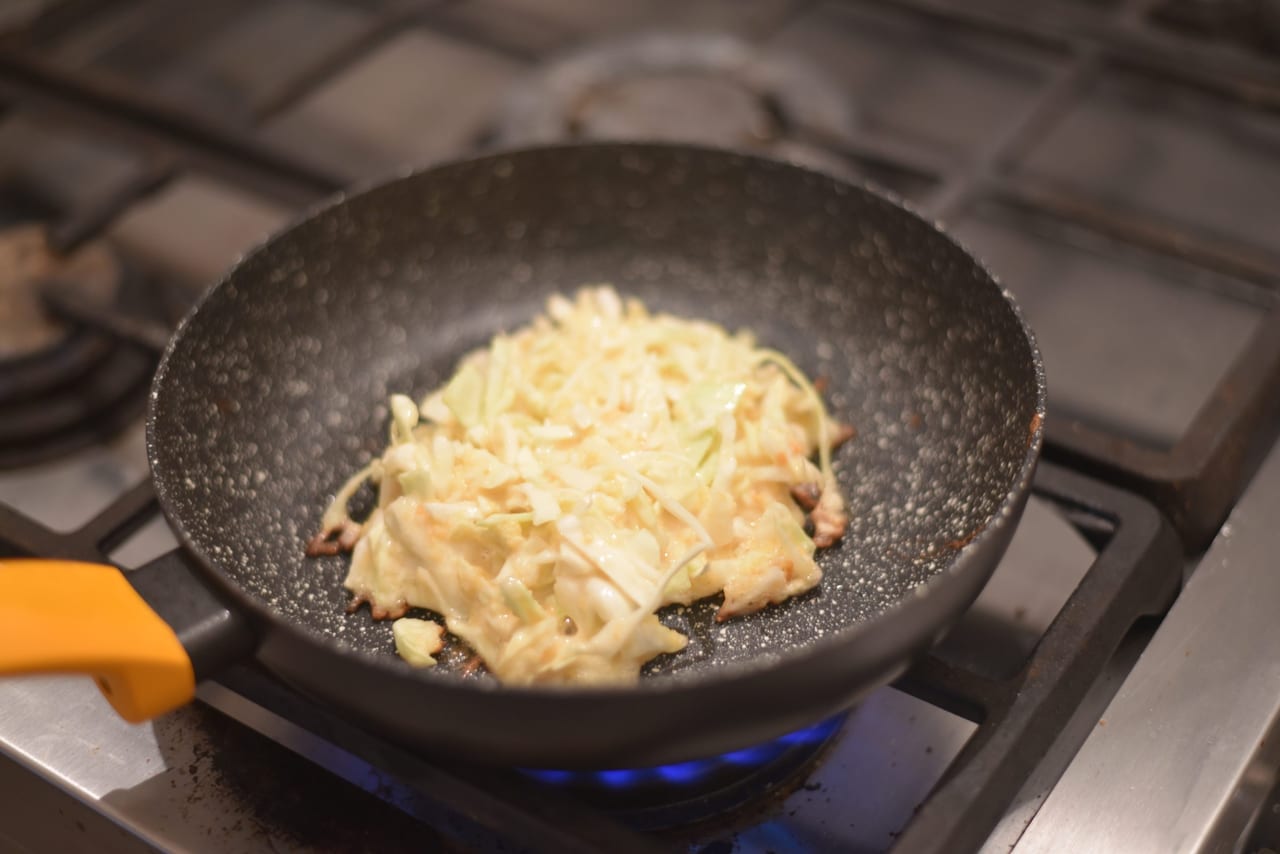
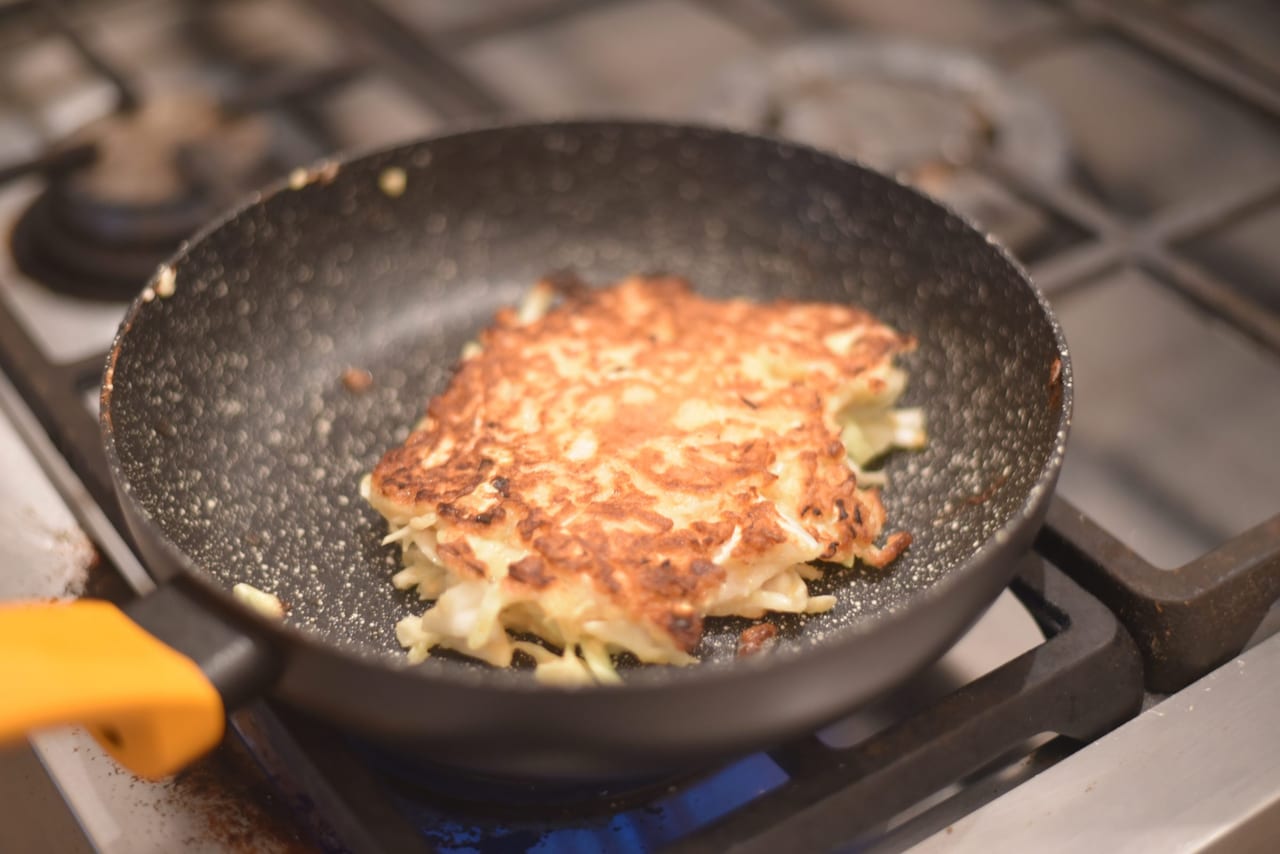
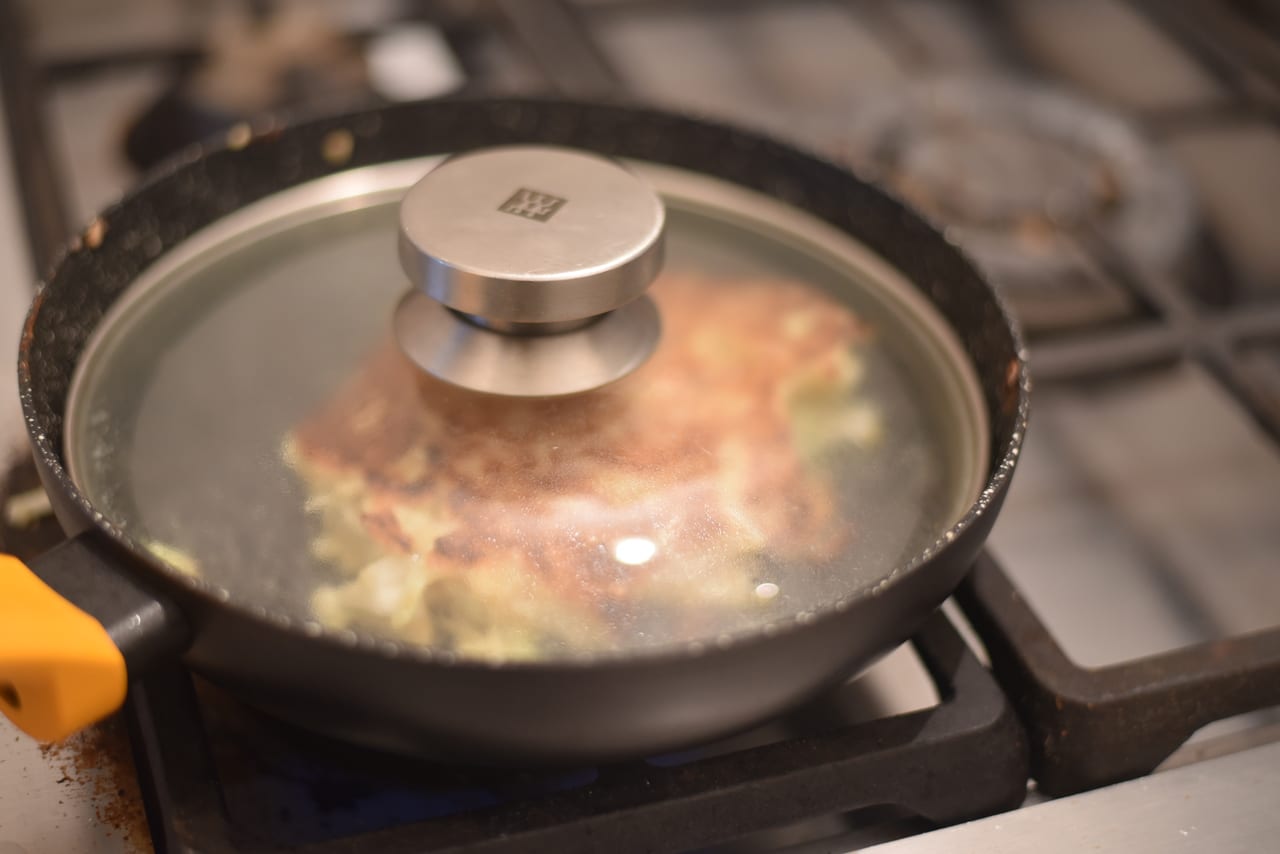
Place a large pan over medium-high heat, add 2 tbsp. of vegetable oil, when almost smoking add about 3-4 tbsp. of the batter in a round shape and about 3 cm/2inch thick. Cook for 3 minutes, place the lid and cook for another 3 minutes on medium low heat. Flip the Okonomiyaki and cook covered for another 5 minutes.
- 4
Serving· 1 minute
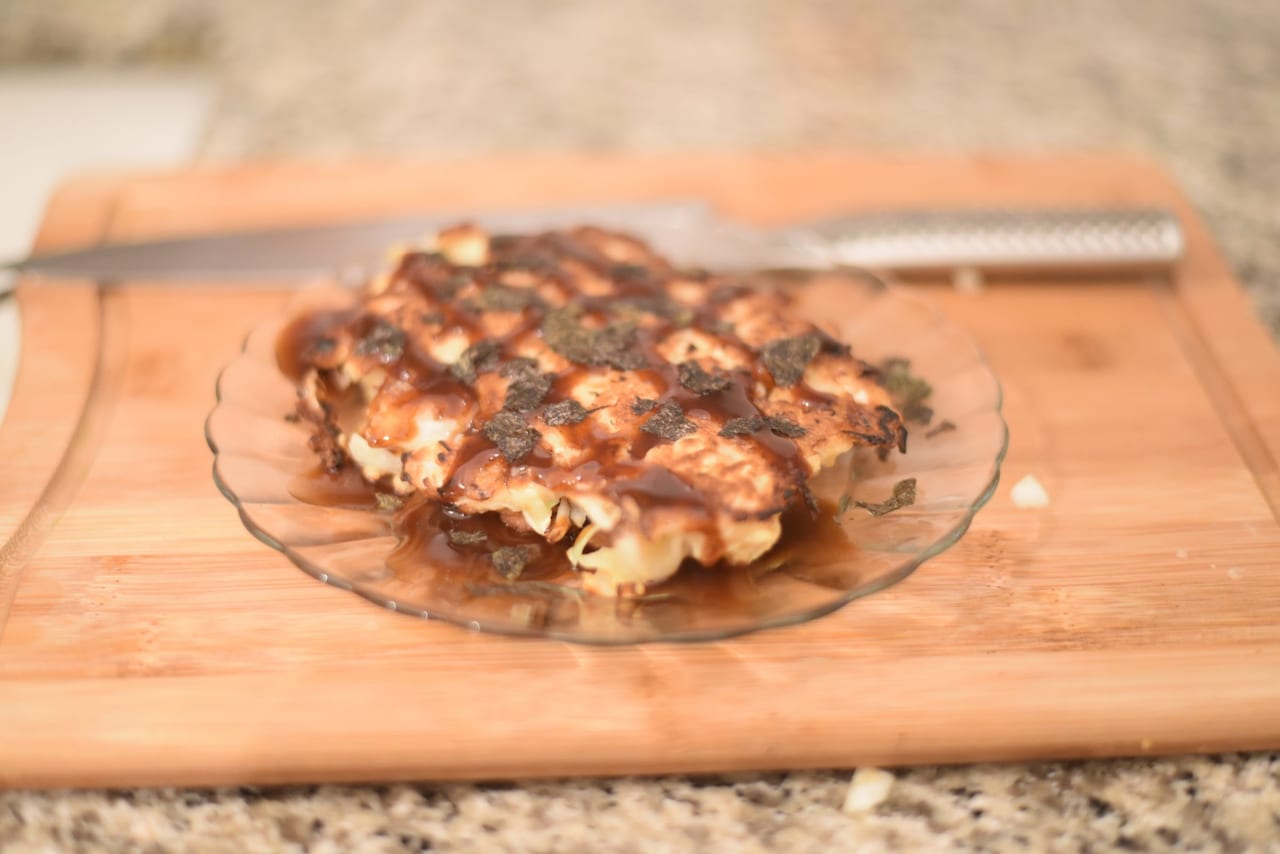
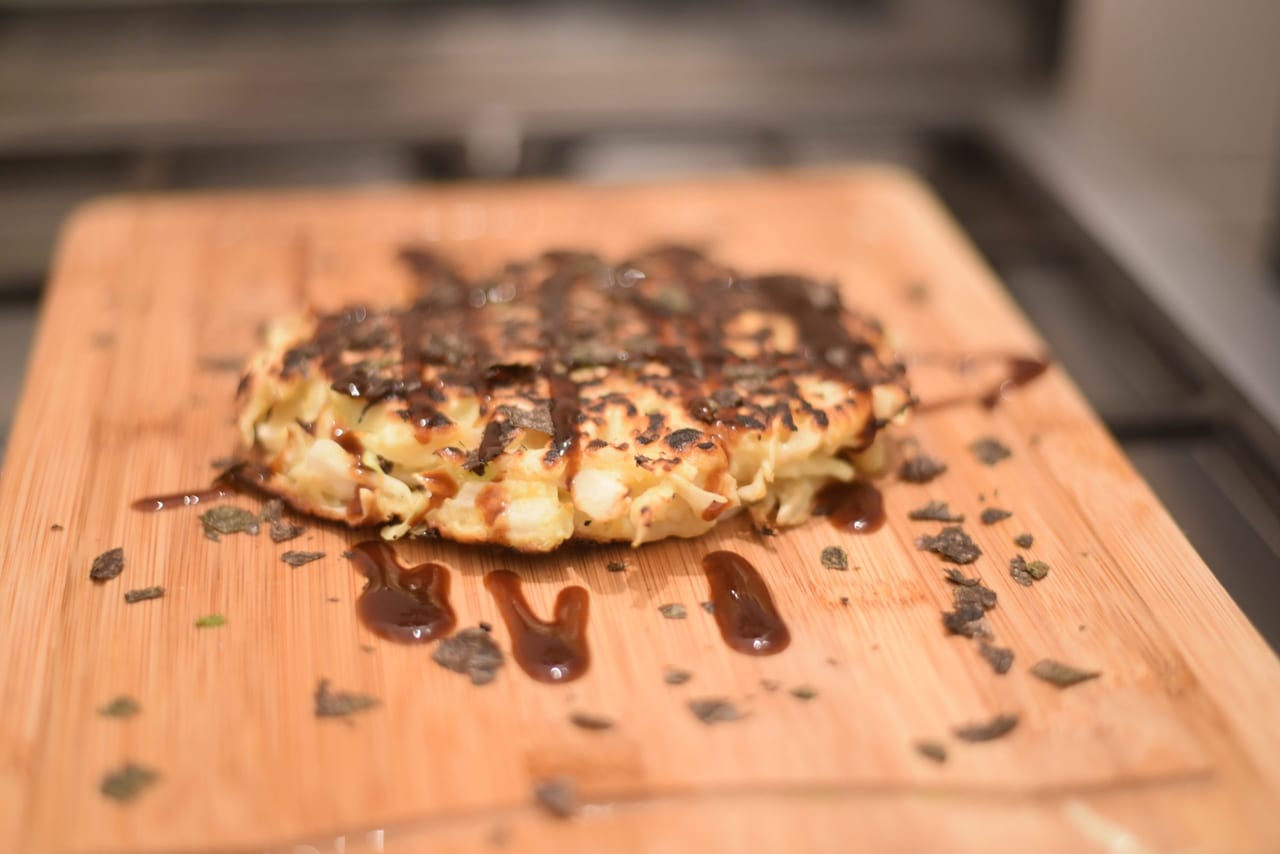
Take out the Okonomiyaki out to a plate or a board, add Japanese mayonnaise and Okonomiyaki sauce and sprinkle with nori flakes. Serve immediately


Jaron Kimhi
Jaron Kimhi — self-taught home cook from Tel Aviv, writing and cooking every recipe on this site himself. 20+ years of tinkering in the kitchen, leaning toward slow cooking, classic technique, and honest ingredients.
More recipes by Jaron →


