CookinCityRecipes & Articles For Better Cooking At Home

Béchamel sauce

Quick answerReady in 12 minutes, French cuisine.
By Jaron Kimhi··👁 428 views
bechamel
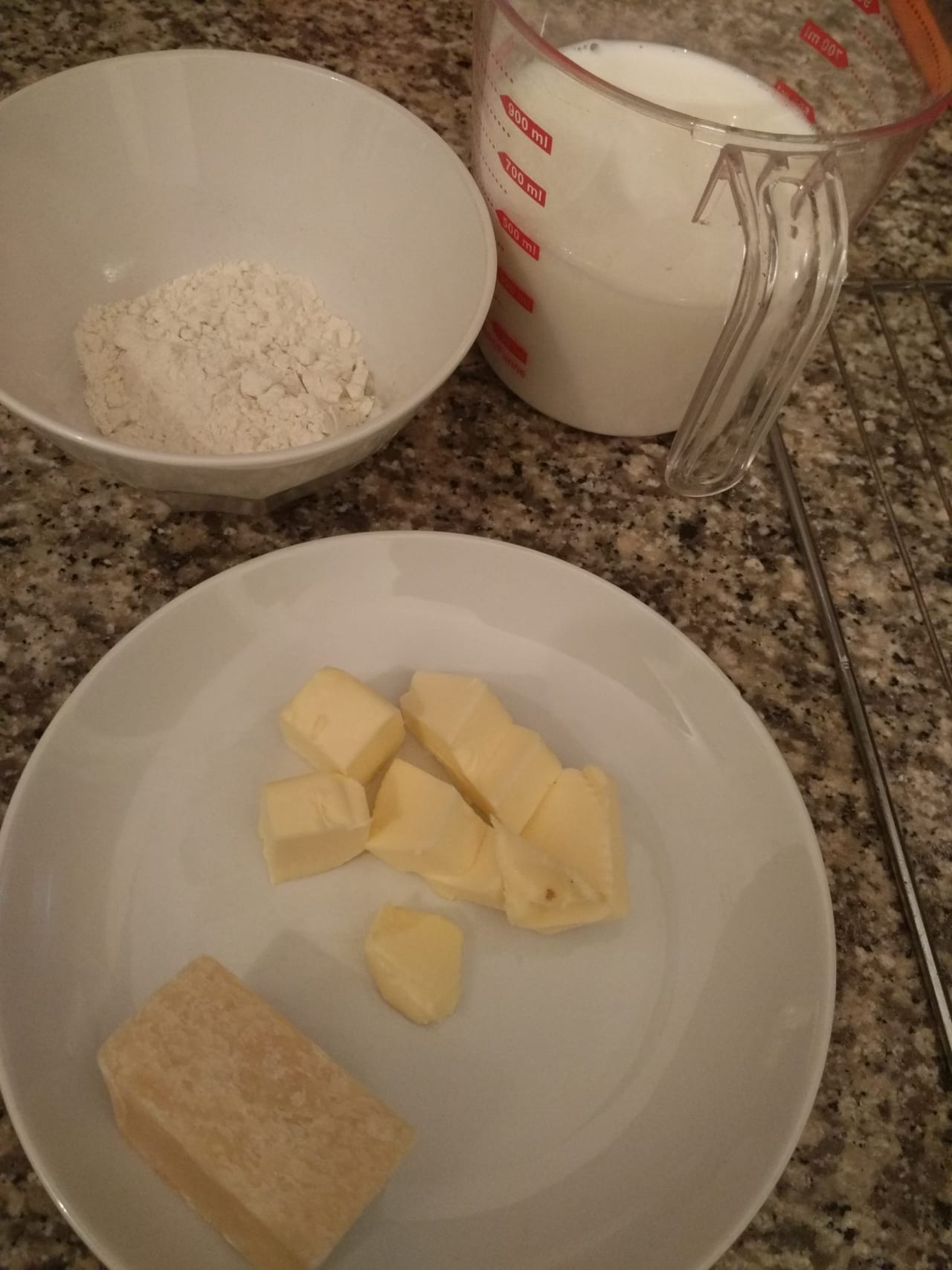
Béchamel sauce, also referred to as "white sauce," is one of the basic sauces in French cuisine and is considered the base of many different sauces. For me, this sauce is a terrible memory of the '80s, when every sautéed mushroom was covered in tons of béchamel and every cauliflower was properly creamed with white sauce. I'm happy those days are over. Today we use béchamel only when needed. Making béchamel isn't hard — just stick to the guidelines and play with the quantities of cheese if you like it cheesier. It's a roux of butter and flour to which we add milk while whisking constantly to thicken the sauce. The thickness is determined by the proportions of flour and milk — the more flour you add, the thicker the sauce will be. In general, the proportions are as follows: 1:1 between flour and butter, and 1:3 between the roux (flour and butter) and milk.

Guidelines for making a Béchamel sauce

  • Use warm milk when adding it to the butter-flour mix
  • Stir constantly — we want a smooth sauce
  • Add cheese only when the pot is off the heat
  • Don't skip the nutmeg — it's a great addition to this sauce and gives it that spicy flavor
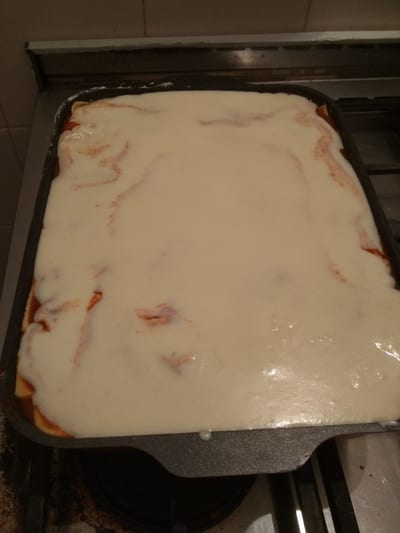
I have to admit that these days I mostly use Béchamel sauce with lasagna. It's just the perfect topping for that dish — it gives a runny, creamy cover to a great meal, and it's so much better than just spreading cheese on top. meat ricotta lasagna with Béchamel sauce So yes, Béchamel sauce was the star of French cooking — and any other dish that needed a creamy element — for a long time. We still use it, and I have to say that even though its glorious days are behind it, there's still room for it in many contemporary dishes.  

Method

  1. 1

    cooking the sauce· 10 minutes

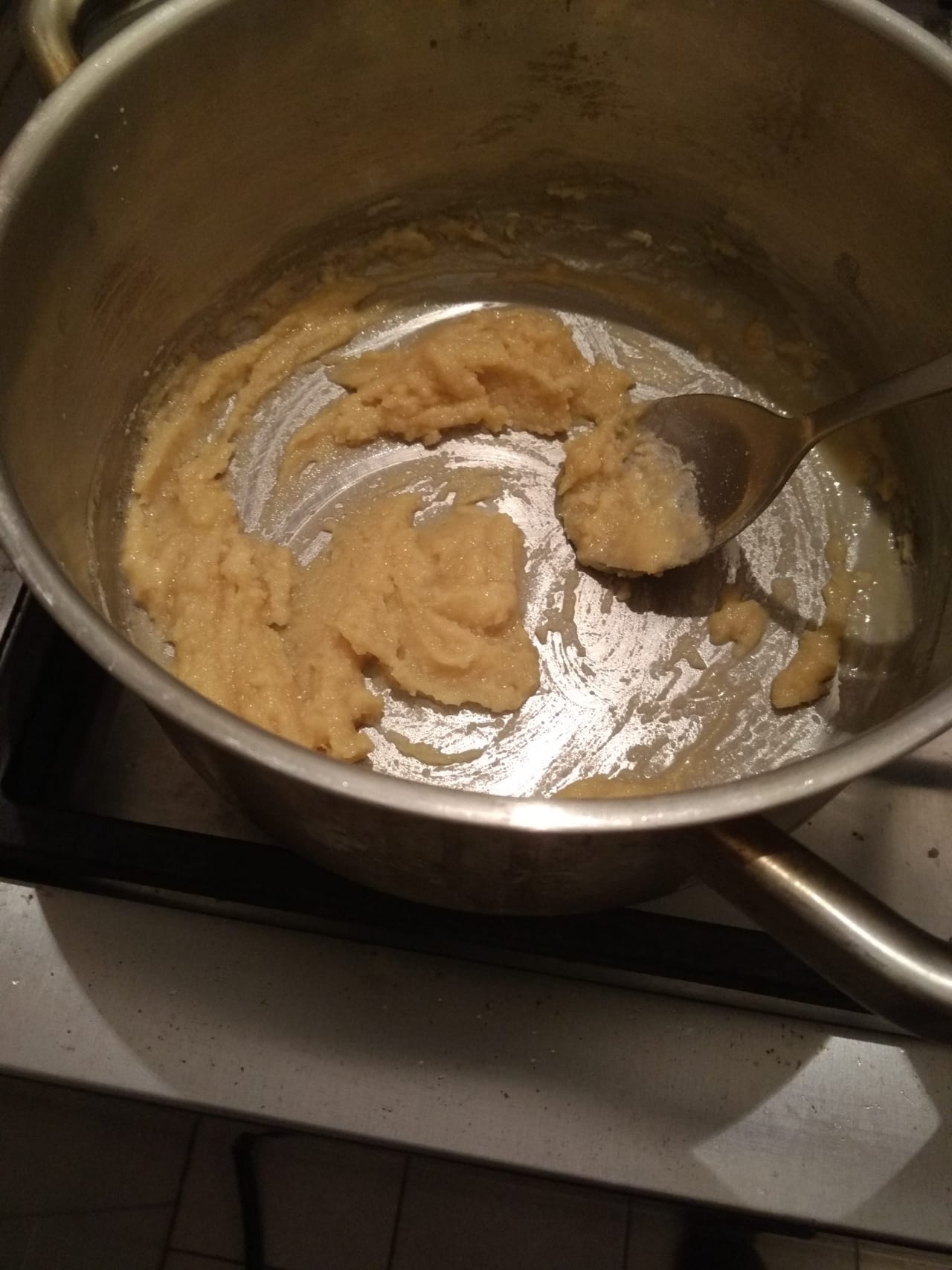
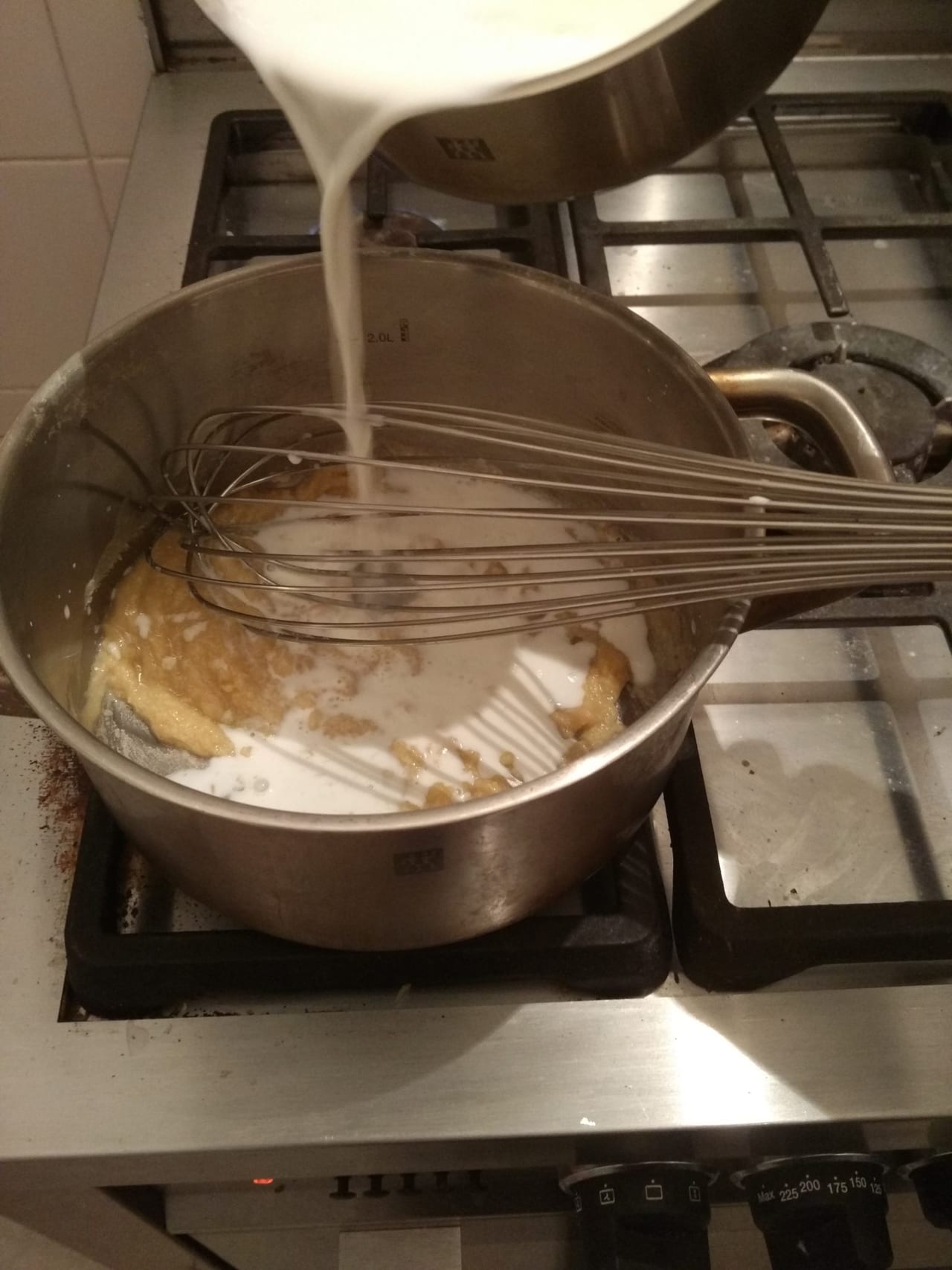
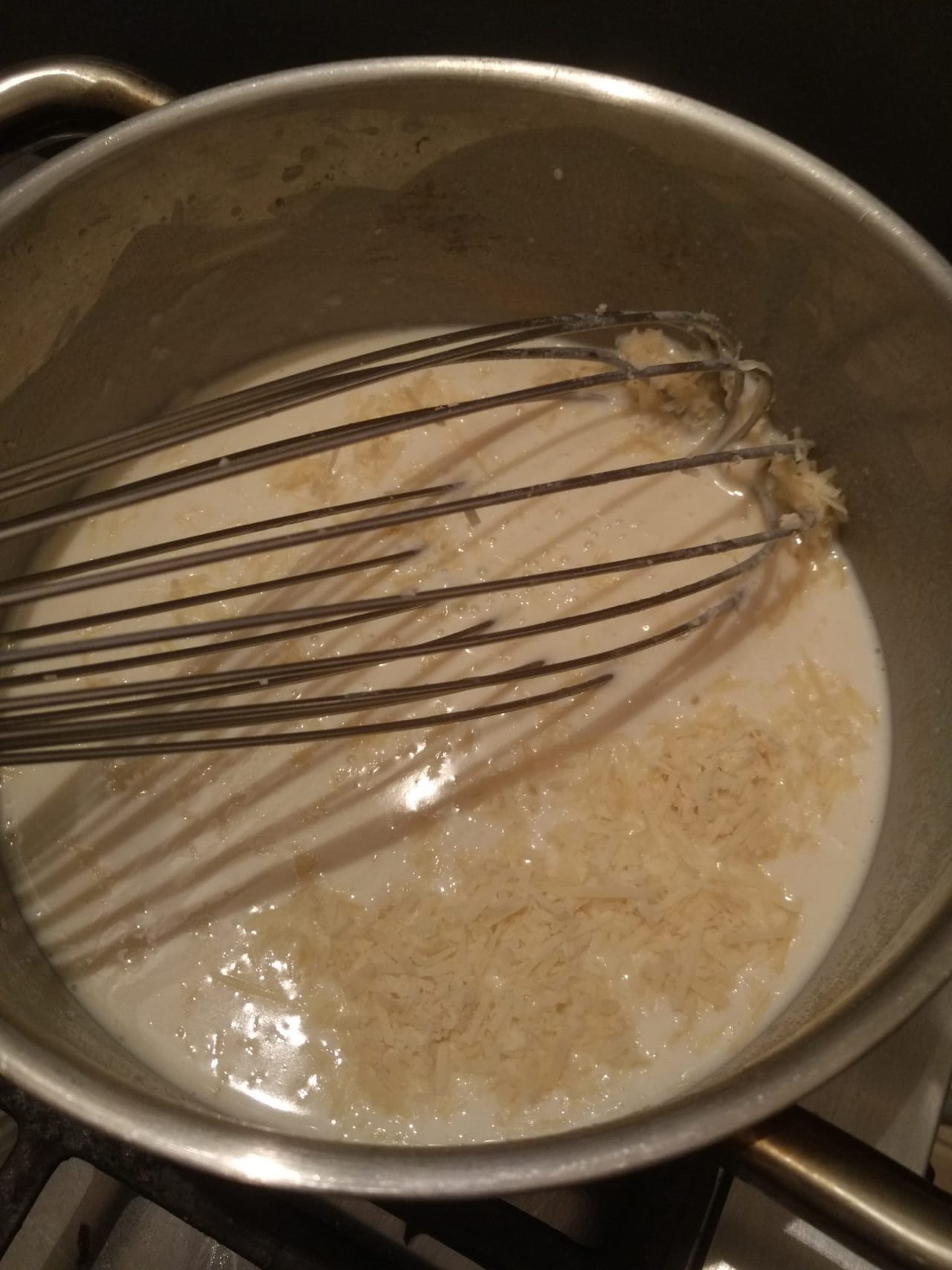
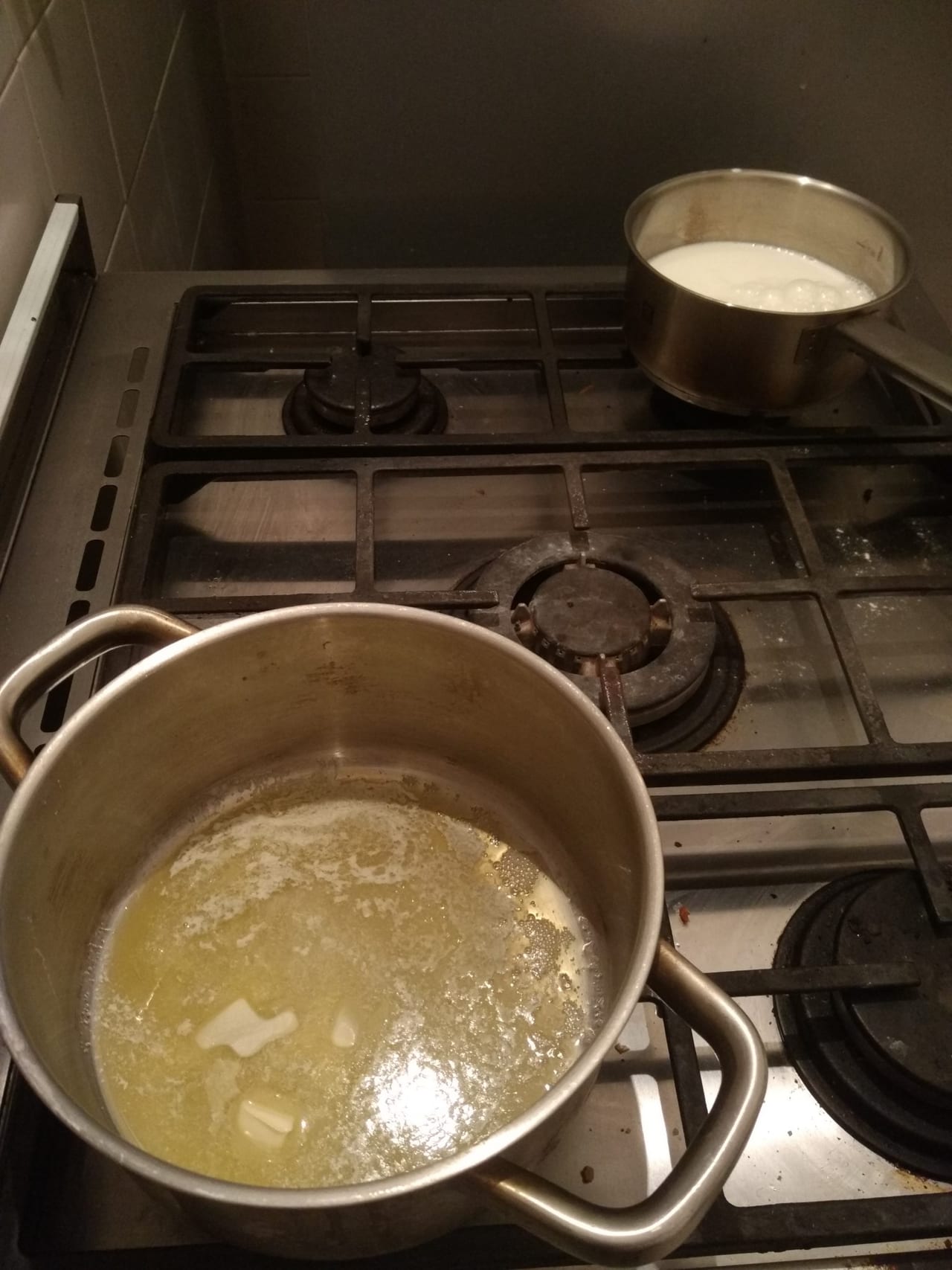
    melt butter on a medium sauce pan, add the flour and mix constantly until it forms a solid roux. watch out from burning the roux, we don't want it to be golden, we want it to be in white color...remember the white sauce. meanwhile heat the milk on another sauce pan over medium heat, we don't want the milk to simmer, just to be warm, as soon as it reach this temperature, pour the milk to the roux saucepan and stir constantly until the the roux dissolves completely into the milk. keep mixing for a few more minutes until the consistency of the sauce thickens and remove from heat. add the salt, grated Parmesan and nutmeg and stir 'for 1 more minute. bechamel can be kept in the fridge for up to 3 days however its best used fresh.
    BechamelBechamelBechamelBechamelbechamel
Recipe by

Jaron Kimhi

Jaron Kimhi — self-taught home cook from Tel Aviv, writing and cooking every recipe on this site himself. 20+ years of tinkering in the kitchen, leaning toward slow cooking, classic technique, and honest ingredients.

More recipes by Jaron →

Questions & answers

Can I use a different cheese instead of Parmesan?
The recipe calls specifically for Parmesan, so stick with it for best results. If you swap it, go for another hard, salty cheese with a similar melt — but know the flavor will shift.
My sauce went lumpy — what did I go wrong?
Most likely your milk was too cold when you added it to the roux. Always warm the milk first before pouring it in, and keep stirring constantly the whole time.
How do I stop a skin forming on top while the sauce sits?
Press a piece of plastic wrap directly onto the surface of the sauce so no air touches it — that does the trick.
How long can I keep leftover béchamel?
Up to 3 days in the fridge, but Jaron says it's best used fresh — so try to make it close to when you need it.
Can I double the recipe?
Yes, just scale everything up proportionally — the key is still keeping that roux white and not letting it go golden, so stay patient on medium heat no matter the batch size.

Nutrition per serving

410
Calories
29g
Total Fat
15.4g
Saturated Fat
64mg
Cholesterol
670mg
Sodium